
Last updated November 23, 2026
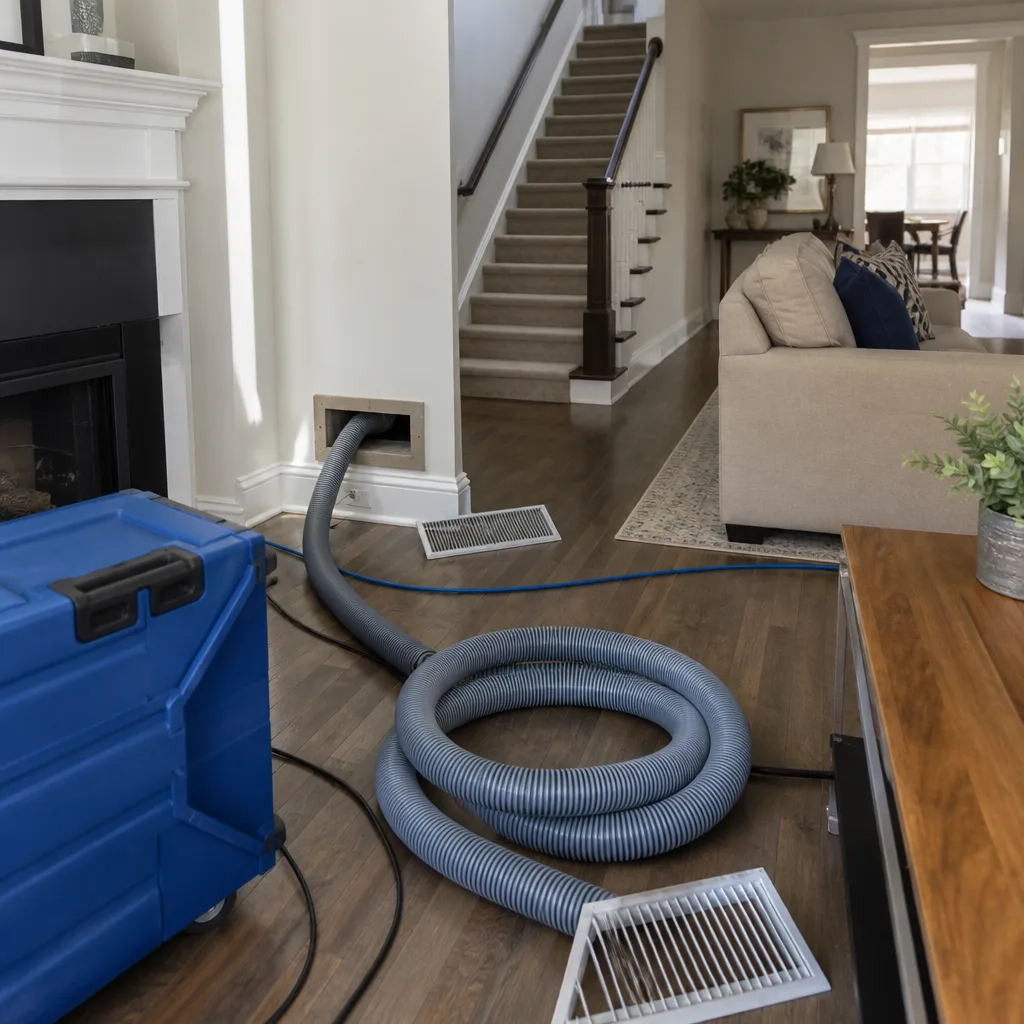 Whole-home duct cleaning
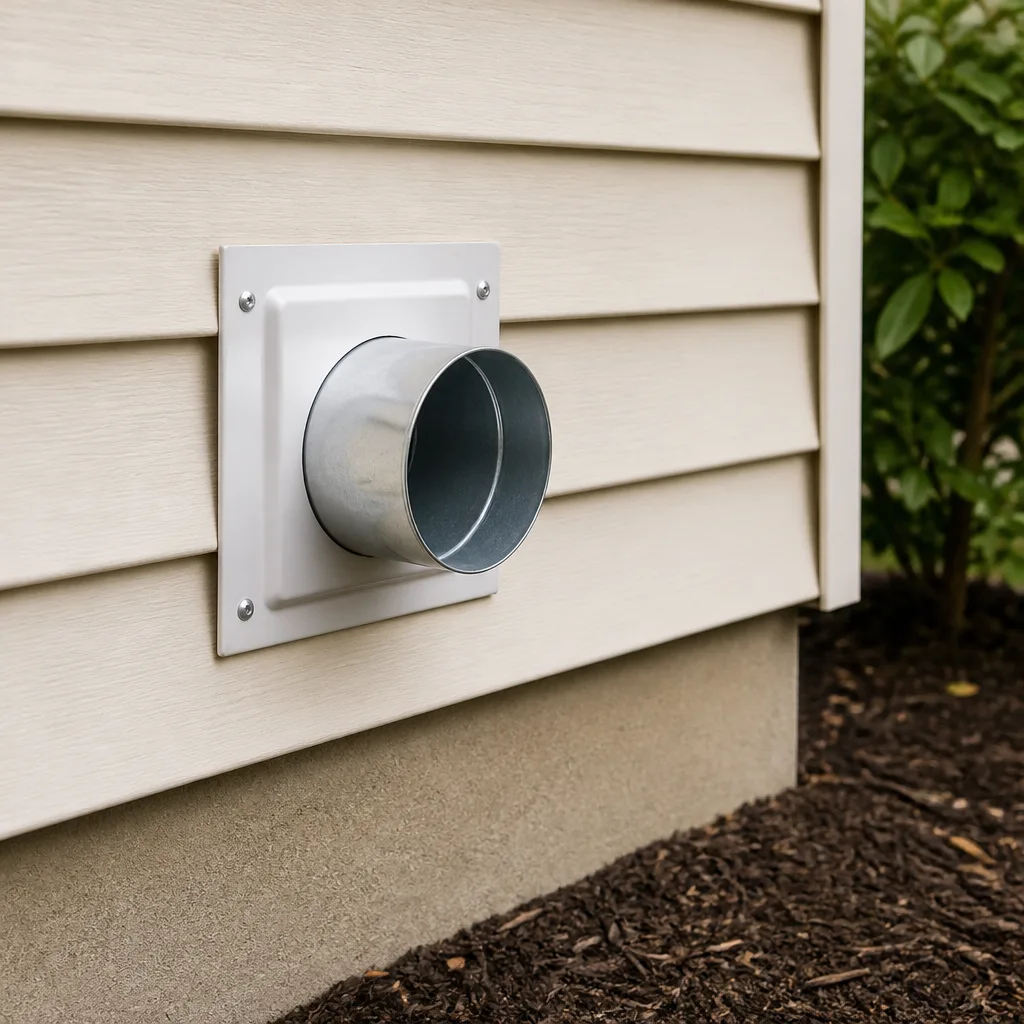 Dryer vent cleaning
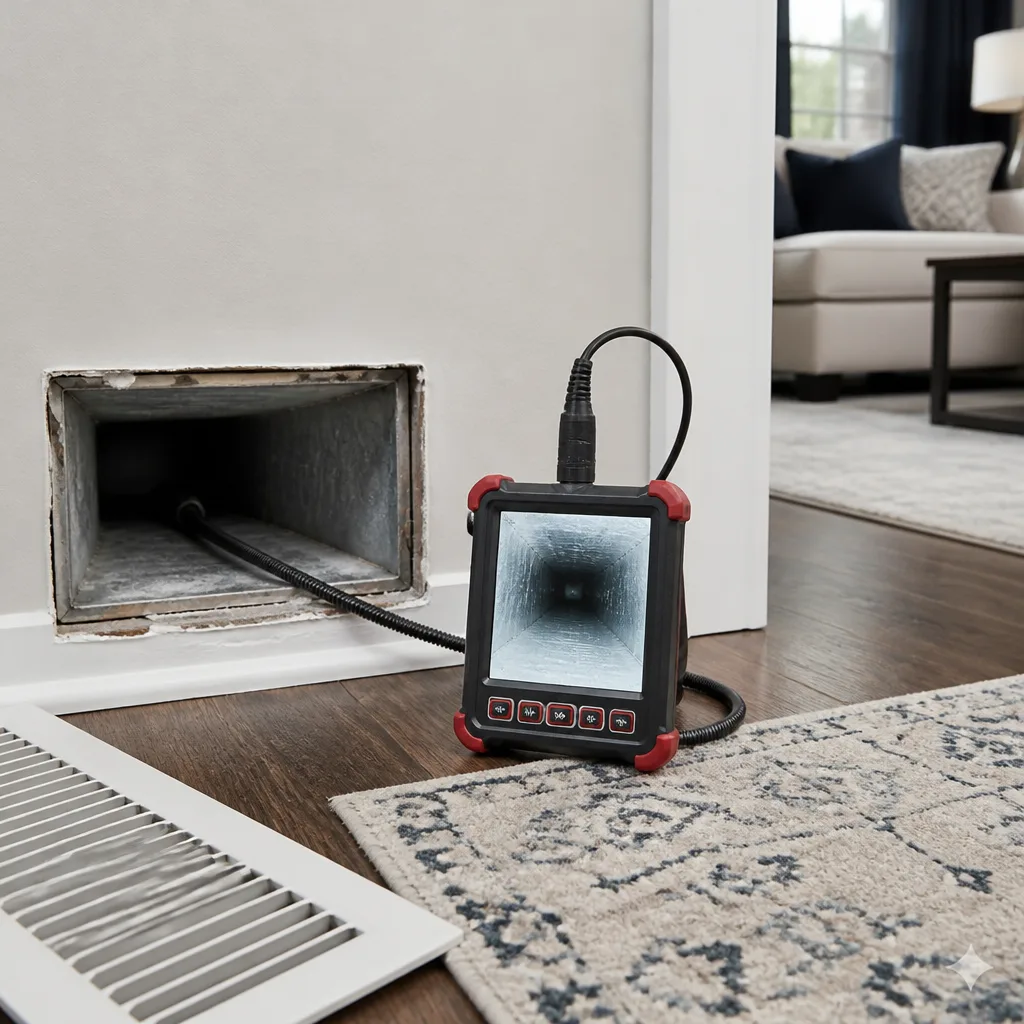 Camera inspection
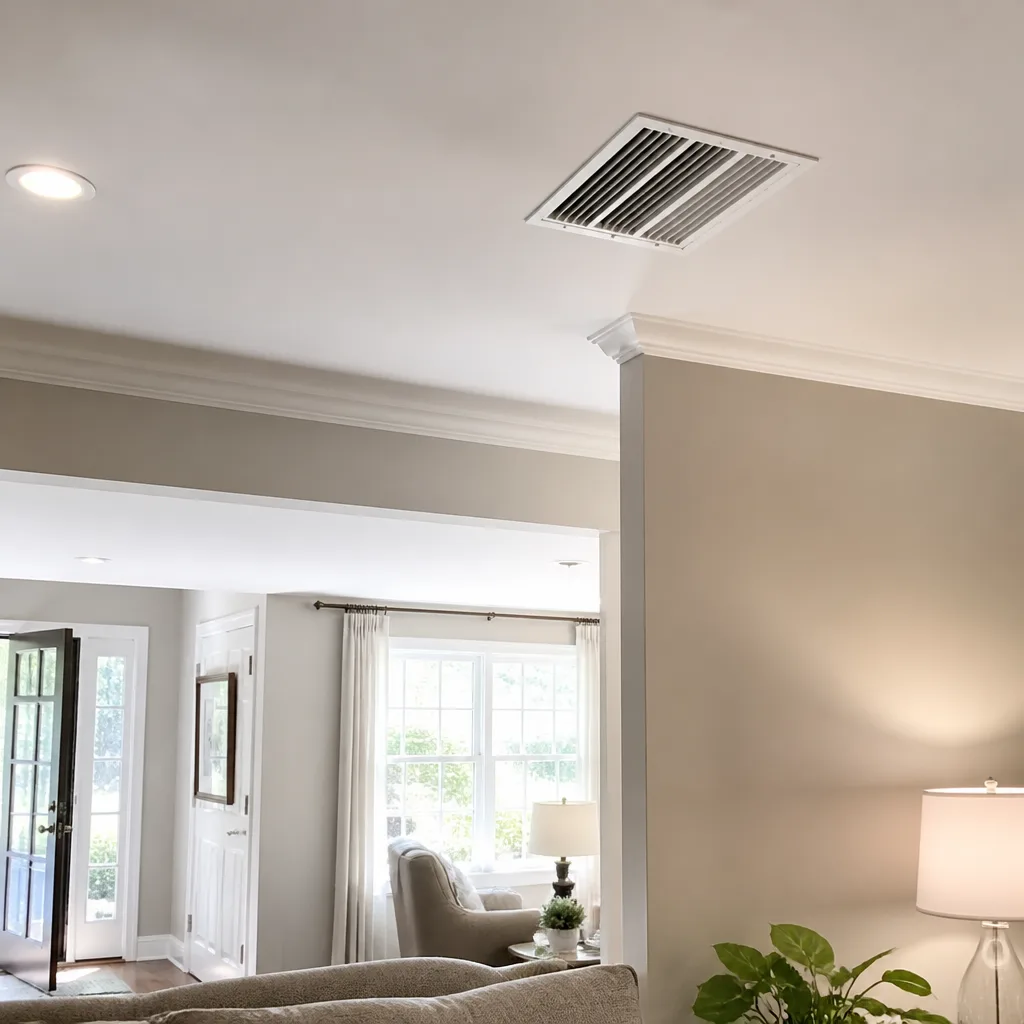 Sanitizing & deodorizing
Whole-system duct and dryer vent check with before-and-after photos - you see exactly what came out of your vents
That "$99 whole-house special" is a bait ad - the real number appears once they are in your hallway, or the "clean" is a shop-vac at the register. We photograph the inside of your ducts before and after instead.
Choosing the Right Air Duct Cleaning Brand: A Buyer’s Guide for Herriman
In Utah, anyone with a shop vac and a business card can legally call themselves a duct cleaner. There is no state license that separates an $800 portable blower from a $40,000 truck-mounted Hypervac system. Both operators get the same contractor listing, both can put “professional” on the side of a van, and both will show up at your door. That gap between what’s legal and what actually works is where most homeowners get burned. This guide is about closing it. You’ll learn the three equipment categories used in professional duct cleaning, which systems are built for what, how to ask the right questions, and how to read a quote before you sign. Written from Herriman, for Herriman.
Quick Answer
The equipment a company uses is the most verifiable signal of quality you can check before hiring them. Professional-grade systems like Rotobrush, Nikro, and truck-mounted Hypervac units deliver airflow and agitation that consumer tools can’t match, and brands that carry Abatement Technologies equipment can handle contamination cases routine cleaners can’t. Ask which system they’re deploying, whether it’s portable or truck-mounted, and if they use camera inspection. If the answers are vague, keep calling.
Styles & brands we work with
- Whole-home duct cleaning
- Dryer vent cleaning
- Camera inspection
- Sanitizing & deodorizing
Table of Contents
- Why Equipment Is the Best Signal You Have
- The Three Equipment Categories in Duct Cleaning
- What Rotobrush, Nikro, Abatement, and Hypervac Actually Do
- Camera Inspection: The Tool Most Companies Skip
- The Five Questions That Vet Any Duct Cleaner
- Cross-Checking Against NADCA Standards
- When Cleaning Isn’t the Answer: Duct Repair and Sealing
- Why the Full System Matters in Herriman Homes
Why Equipment Is the Best Signal You Have
Here’s what we mean in practice. When you call three duct cleaners in Herriman to get quotes, all three will say some version of “we use professional equipment.” None of that tells you anything. What tells you something is a specific answer to a specific question: “What system are you bringing into my house?”
Companies that have invested in Rotobrush or Nikro systems will name them without hesitation, because the investment is the proof. Companies running entry-level gear often can’t name a brand at all, or they’ll dodge with “we use a high-powered vacuum.” That dodge is your signal.
There are a few reasons equipment matters so much for ductwork specifically:
- Airflow capacity determines what actually gets removed. A weak vacuum loosens dust and leaves the heavier debris in place. You paid for a cleaning you didn’t get.
- Agitation matters as much as suction. Caked-on debris on duct walls doesn’t come off with vacuum alone. Professional systems include rotary brushes or air whips designed to break it loose first.
- Containment protects your home. Better equipment includes better HEPA filtration and containment, meaning debris goes into the machine, not into your living room air.
- Camera tools close the loop. Cleaning without inspection is guessing. You can’t know if the work was done or if a duct problem was missed.
You don’t need to become an HVAC technician to use this. You just need to know enough to recognize a serious operator when you’re talking to one. For Herriman homeowners, that skill is worth more than any online review count.
The Three Equipment Categories in Duct Cleaning
Every professional duct cleaning setup falls into one of three categories. They’re not interchangeable, and each has real strengths and real limits. A company that can only offer one category will also only offer that category’s limitations. Knowing the difference helps you match the equipment to the job.
1. Portable Systems
Portable units are self-contained machines that roll into your home and connect to the ductwork through a hose. This is the category most residential jobs come from, including the Rotobrush and Nikro systems we use. Good portable systems deliver strong suction, controlled agitation, and HEPA filtration, but they’re limited by the length of the hose run and the size of the motor. Getting the most out of a portable takes technique: proper access points, deliberate brush passes, and enough time on each branch.
2. Trailer-Mounted Systems
Trailer-mounted setups put a larger power unit on a trailer parked outside, with hoses run into the house. They offer more airflow than portables and are useful on long duct runs or larger properties where a portable can’t maintain negative pressure across the whole system. The trade-off is that hose length still limits reach, and setup takes longer. In Herriman’s newer construction, where homes are often 2,500 to 4,000 square feet with long trunk lines, trailer-mounted gear can make sense for some jobs.
3. Truck-Mounted Systems
Truck-mounted systems are the heaviest hitters. Hypervac and Vac-Man are the names you’ll hear most in this category. They’re mounted in a truck bed and driven to the job site, delivering the highest sustained airflow of any category. Trucks are the standard for commercial work, large multi-family buildings, and homes with extensive ductwork. They are not automatically better for a standard Herriman single-family home; sometimes a truck over-delivers on airflow and under-delivers on agility. But when the job calls for it, nothing else matches the output.
How the Categories Compare
- Portable: Best for residential jobs with good access. Agile, contained, HEPA-equipped. Lower raw airflow than truck-mounted.
- Trailer-mounted: More airflow than portable. Good for larger residential systems. Slower setup.
- Truck-mounted: Highest airflow. Best for large homes, commercial jobs, and heavy contamination. Limited by hose reach and setup access.
The right question isn’t “which category is best” but “does this company have the right category for my home, and do they know why?” A company that can explain the match is a company worth hiring.
What Rotobrush, Nikro, Abatement, and Hypervac Actually Do
Brand names aren’t marketing gloss. Each of these systems was engineered for a specific job, and each has a strength worth understanding before your next call. You don’t need to know every spec, but you should know the difference between a Rotobrush and an Abatement Technologies unit the same way you know the difference between a hedge trimmer and a chainsaw.
Rotobrush
Rotobrush systems are built for residential source removal, meaning they’re designed to physically agitate and extract debris from inside your ductwork rather than just vacuuming at the registers. The key feature is the rotary brush head that travels through the duct on a flexible shaft, breaking loose caked-on material before the vacuum pulls it out. If a company tells you they run Rotobrush, they’re telling you they clean from the inside out, not just from the register down.
Nikro
Nikro makes a full line of professional-grade vacuum and pressure systems, including negative-air machines and HEPA-filtered units used in contamination and restoration work. Nikro equipment tends to show up in setups where containment and filtration matter as much as raw suction, which is why restoration and industrial contractors use it. For duct cleaning, Nikro systems are often paired with other equipment to build a full negative-pressure environment inside the home. That pairing matters for allergy-sensitive households and post-renovation jobs.
Abatement Technologies
Abatement Technologies is a name that should make you pay attention, because their equipment is built for the remediation side of the industry, not the routine cleaning side. Their HEPA units and air scrubbers are used in mold, asbestos, and lead abatement environments. A company that carries Abatement Technologies equipment has the tools to handle contamination scenarios that a routine cleaning setup cannot. That doesn’t mean every job needs it. It means the capability exists when a camera inspection turns up something that needs more than a brush and a hose.
Hypervac and Vac-Man
These are the truck-mounted systems. Hypervac and Vac-Man units are built into commercial truck beds and deliver sustained airflow measured in thousands of cubic feet per minute, versus hundreds for a portable. When you’re cleaning a 6,000-square-foot home with extensive trunk lines, or a commercial space, the difference in airflow is the difference between a real cleaning and a surface pass. For a typical Herriman single-family home, truck-mounted systems are often more than the job requires, but they’re the right tool when the job is bigger than typical.
Honeywell and Aprilaire (The Product Side)
Cleaning is one half of the job. What goes back into the system is the other. Honeywell and Aprilaire both make filtration and air quality products that attach to residential HVAC systems: high-efficiency media filters, whole-home air cleaners, and humidification controls. A duct cleaner that stocks and installs these products can improve the system’s ongoing filtration after the ducts are clean, not just hand you a receipt and leave. When you ask a company what they do after cleaning, “we install Honeywell and Aprilaire filtration” is a much better answer than “we recommend you change your filter.”
Camera Inspection: The Tool Most Companies Skip
Cleaning equipment gets the attention, but camera inspection is the tool that separates a professional service from a blind one. Here’s why: without a camera in the duct, no one actually knows what shape the system is in. They know what the register grille looks like and how the air feels at the vent. That’s it.
Camera tools like Ridgid or FLIR inspection units are inserted into the ductwork and feed live video back to a screen. They let the technician confirm:
- Whether the duct is clean after a pass, not just “looks better at the vent”
- Whether there’s debris buildup downstream the cleaning didn’t reach
- Whether the ductwork has tears, separations, or disconnected joints
- Whether the interior lining shows moisture damage, which points to a source problem worth investigating
- Whether the return ducts are pulling from a space that’s introducing contaminants (like an unconditioned crawlspace)
Different camera tools have different strengths. Ridgid inspection cameras are known for durability and clear imaging in real-world duct conditions. FLIR thermal cameras can show temperature differentials that hint at leaks or disconnected sections without physically climbing into the system. Both are useful. Neither is a substitute for the other.
When you ask a company what they use for camera inspection and get a blank pause, that’s not a small thing. It means the cleaning is done blind, and you have no way to know if the work was actually performed or if a duct problem was missed. Duct cleaning without inspection is like a dentist filling a cavity without an X-ray: sometimes fine, sometimes missing the whole problem.
If you want to see how we handle duct cleaning with camera confirmation at each stage, that’s what our air duct cleaning work involves from the first register to the last.
The Five Questions That Vet Any Duct Cleaner
You can separate a serious operator from a generalist in about two minutes of conversation. Here are the five questions, and what a good answer sounds like. Write them down before you call.
- What system are you bringing into my house? Good answer: a specific brand name (Rotobrush, Nikro, Abatement Technologies, Hypervac, Vac-Man). Bad answer: “professional equipment,” “high-powered vacuum,” or silence. If they can’t name a system, they don’t have one worth naming.
- Is it portable, trailer-mounted, or truck-mounted? Good answer: they know, and they can explain why that category fits your home. Bad answer: they seem confused by the question. This tells you they rent equipment per job and don’t own or understand what they’re using.
- Do you use a camera to inspect before and after? Good answer: yes, and they name the tool or describe what the inspection shows. Bad answer: “we don’t need to, we can see from the vents.” Every serious operator inspects.
- What happens if you find a duct problem? Good answer: they can repair or seal it themselves, or they know exactly who to call. Bad answer: “we just clean, you’d need another contractor.” Handoffs are where duct problems go unsolved. Our HVAC cleaning work includes assessment of the whole system, not just the air handler.
- What’s the price, and is it the price on the invoice? Good answer: one flat price per system, given in writing before work starts. Bad answer: a low teaser figure followed by add-ons once the technician arrives. This is the single biggest complaint in the industry, and it’s worth pressing on.
Ask these five before you book, and you’ll have more information than most homeowners gather in a full round of quotes. The answers are worth more than the reviews.
Cross-Checking Against NADCA Standards
NADCA, the National Air Duct Cleaners Association, publishes standards for what residential duct cleaning should include when it’s done right. The most useful one to know is ACR 2021, its assessment, cleaning, and restoration standard. You don’t need to memorize it. You do need to know the broad strokes, because they’re the framework a legitimate company’s process will match.
What NADCA’s residential standard expects of a legitimate cleaning:
- Assessment first. The system should be inspected before cleaning begins, ideally with camera access, to understand the layout and condition.
- Source removal, not just surface cleaning. Debris should actually be removed from the system, not just knocked off the visible surfaces or vacuumed at the registers.
- Full-system scope. Supply, return, and the air handler (and its components) should be addressed, not just the trunk lines visible in the basement.
- Containment and negative pressure. The cleaning setup should prevent debris from escaping into the occupied space.
- Verification. The company should confirm the work was done, typically with camera or before-and-after documentation.
When a company tells you their process, listen for these five elements. If any is missing, ask why. If the “why” is vague or defensive, that’s your answer.
NADCA also maintains equipment standards for what constitutes a professional cleaning system. The details are technical, but the principle is simple: a system built for industrial or commercial cleaning can be used residentially, and a system built for home use cannot be scaled up. Companies running Rotobrush, Nikro, or Abatement Technologies equipment are already in the professional tier. Companies running consumer-grade equipment aren’t, no matter what the brochure says.
When Cleaning Isn’t the Answer: Duct Repair and Sealing
Not every airflow problem is a dirt problem. Some of the worst ones are duct problems, and no cleaning equipment on the market fixes them. This is where a company’s honest limits matter more than its equipment.
Collapsed flex duct, disconnected joints, torn duct liner, and undersized return lines are structural issues. Cleaning a torn duct makes the tear worse. Cleaning a disconnected joint just deposits dust in your attic or crawlspace. Cleaning an undersized return system only confirms the design was wrong to begin with.
A credible company knows which of these is which, and can tell you so before you pay for a cleaning that won’t solve your problem. Better yet, a credible company can fix what they find. If your ducts need sealing at the joints, taping a disconnected return, or replacing crushed flex with proper hard duct, that repair work should happen in the same visit as the cleaning, not as a separate job handed to a different contractor who never saw your system.
In our experience, this is where a lot of Herriman homeowners get let down by clean-only operators: the cleaning happens, the air quality doesn’t change much, and nobody catches the disconnected return in the attic that’s pulling in insulation dust every time the HVAC runs. Camera inspection catches that. Repair and sealing correct it.
Our Herriman Air Duct Cleaning work includes repair and sealing as a core part of the service, so the fix happens with the same team that did the cleaning.
What No Equipment Can Fix
Honest boundary-setting is a sign of a real technician. There are problems that no cleaning, no camera, and no repair can solve without design changes to the system:
- Undersized returns. If the return air can’t move enough volume, the system will be noisy and inefficient no matter how clean the ducts are. The fix is adding return capacity, which is design work, not cleaning work.
- Undersized HVAC equipment for the home. A system that was correct when installed but wrong after a remodel can’t be fixed by cleaning. That’s a replacement conversation.
- Duct design flaws. Excessively long runs, too many turns, or flex duct used where hard duct belongs will always reduce efficiency. Cleaning helps the symptom. Design changes address the cause.
- Poorly sealed building envelope. If the home is leaking air everywhere, clean ducts won’t change the air quality much. That’s a different scope of work entirely.
A technician who tells you “this is beyond what cleaning will solve” is doing their job. A technician who promises cleaning will fix everything has told you what to expect from the invoice.
Why the Full System Matters in Herriman Homes
Herriman has grown fast, and that shows up in the housing stock. A lot of the homes here were built in the last fifteen to twenty years, and new construction dust is a real category of problem. Drywall dust, sawdust, and construction debris settle into ductwork during a build and can linger for years if not addressed. If you moved into a newer Herriman home and the air still feels gritty or triggers allergies two or three years after move-in, construction debris in the ducts is a common cause.
The dry climate matters too. Herriman sits in a high-desert valley where indoor humidity drops in winter and dust in the air is more persistent than in coastal climates. That means filtration, humidification, and system sealing all affect indoor air quality more than they would in a milder climate. Honeywell and Aprilaire whole-home humidifiers are a common solution here for good reason: the air is genuinely dry enough that the household feels it.
And that leads to the whole-system point. A duct cleaner that only cleans ducts is solving one problem in a system that has several. The full scope looks like this:
- Air duct cleaning to remove accumulated debris from supply and return lines (see our air duct cleaning page for the full scope)
- HVAC cleaning to address the air handler, blower, evaporator coil, and drain pan, which collect the same debris the ducts do
- Dryer vent cleaning, since lint accumulation is a separate fire-hazard issue that a duct cleaning doesn’t touch (see dryer vent cleaning for what that involves)
- Duct repair and sealing to fix the structural problems revealed by inspection
- Air quality and sanitizing, including Honeywell and Aprilaire filtration, to keep the system cleaner over time
A company with all five capabilities can address the whole picture in one relationship. A company with one capability can only sell you that one thing, which is exactly why brand selection matters.
Common Mistakes to Avoid
- Choosing on price alone. The lowest quote is usually the lowest for a reason: entry-level equipment, no camera inspection, and a technician who plans to upsell once they’re in the door. One flat price per system from a company that names its equipment is worth more than a teaser figure from a company that doesn’t.
- Not asking which system will show up. “We use professional equipment” isn’t a brand. If a company can’t name the system, ask again or move on. Rotobrush, Nikro, and Abatement Technologies are names a serious operator knows cold.
- Skipping camera inspection. Cleaning without inspection is paying for work you can’t verify. Ask for before-and-after documentation, and ask whether the technician uses a camera to confirm the clean.
- Believing cleaning fixes duct problems. Collapsed duct, disconnected joints, and undersized returns are structural issues. If a company can’t repair or seal them, you’ll be paying twice: once for cleaning that didn’t fix anything, once for the repair you’ll need to schedule separately.
- Booking a Herriman job without confirming containment. A cleaning that pulls debris through the house because the containment setup is weak defeats the purpose. Ask about HEPA filtration and negative pressure before anyone walks in.
- Believing one cleaning lasts forever. Ductwork in a home that’s been through a remodel, a new build, or a rodent problem needs more frequent attention than a settled home. Herriman’s newer construction means a lot of homes here are still in the post-build dust window.
- Forgetting the dryer vent. Many homeowners treat duct cleaning as a whole-home task. The dryer vent is a separate system, a separate hazard, and a separate appointment. If a company offers duct cleaning but can’t handle the dryer vent, you’re missing part of the picture.
See the difference
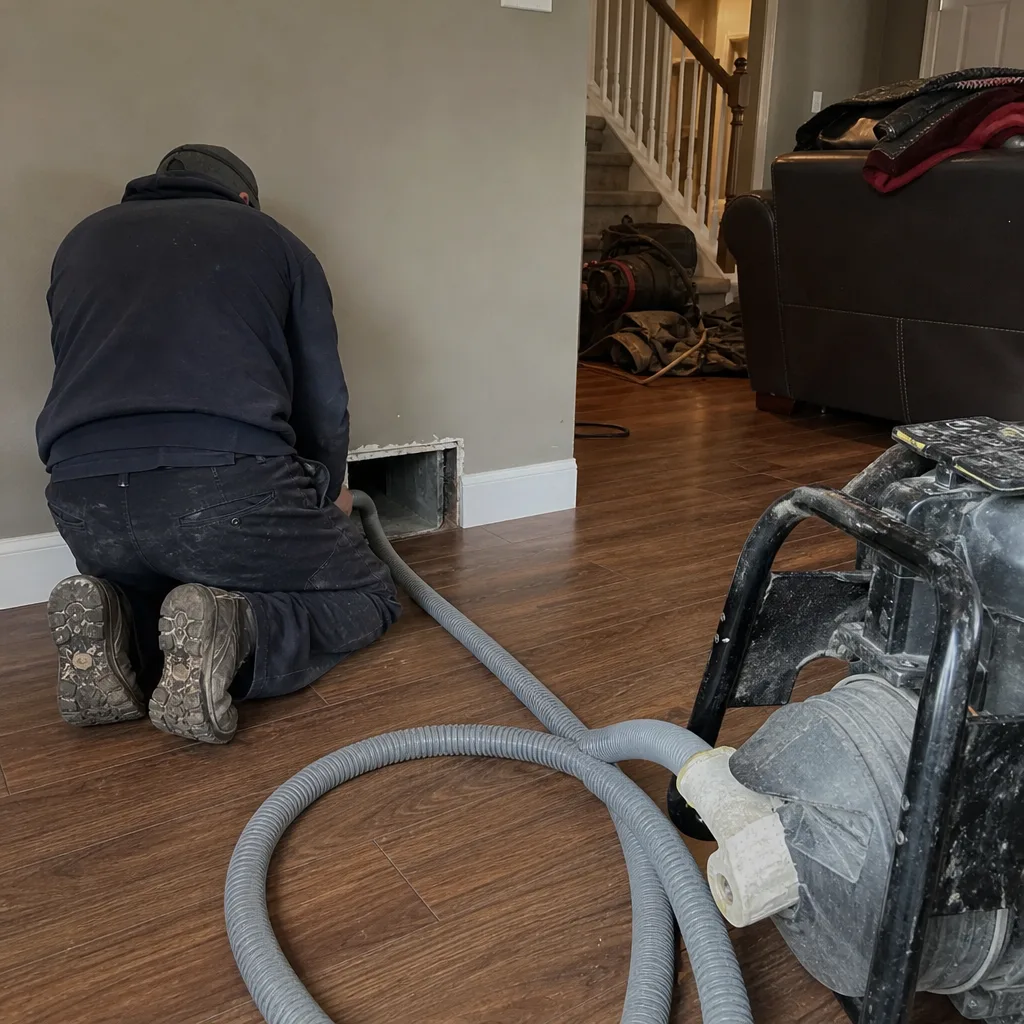 Before
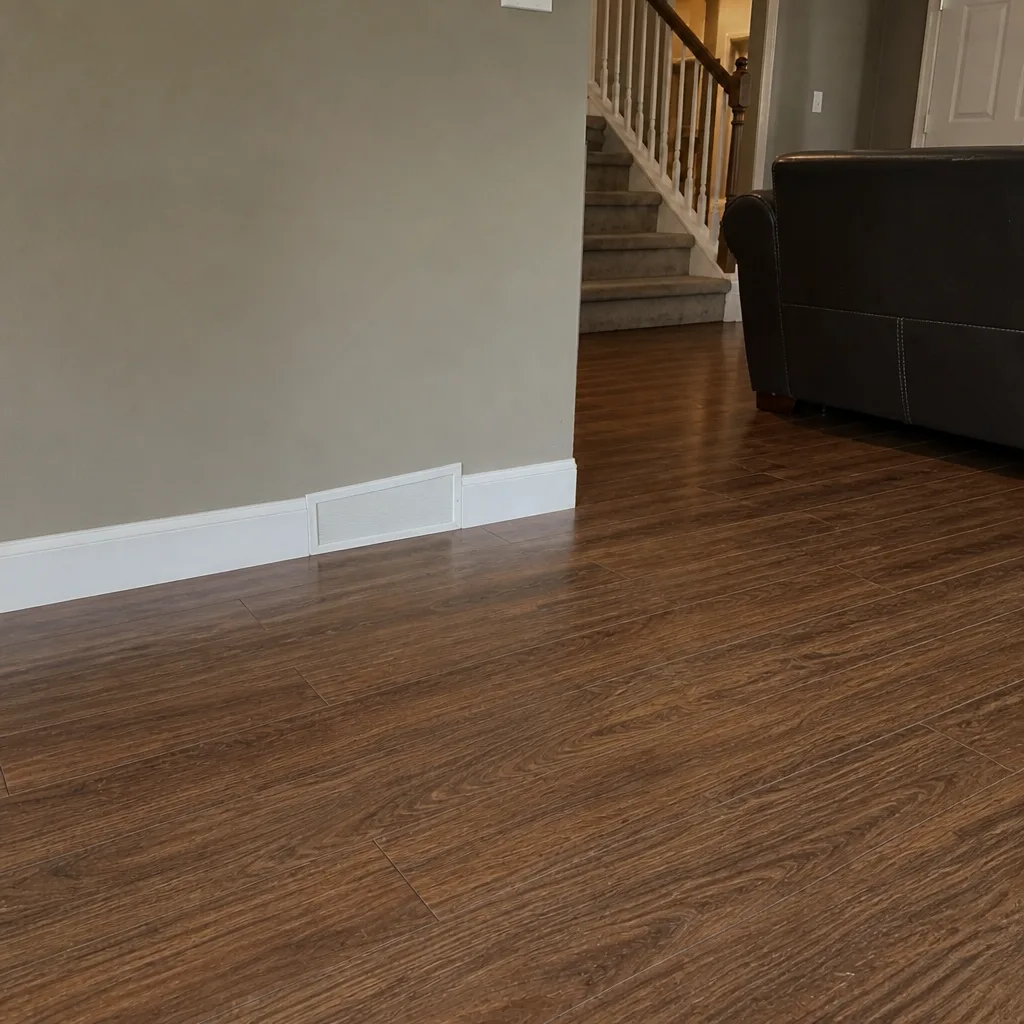 After
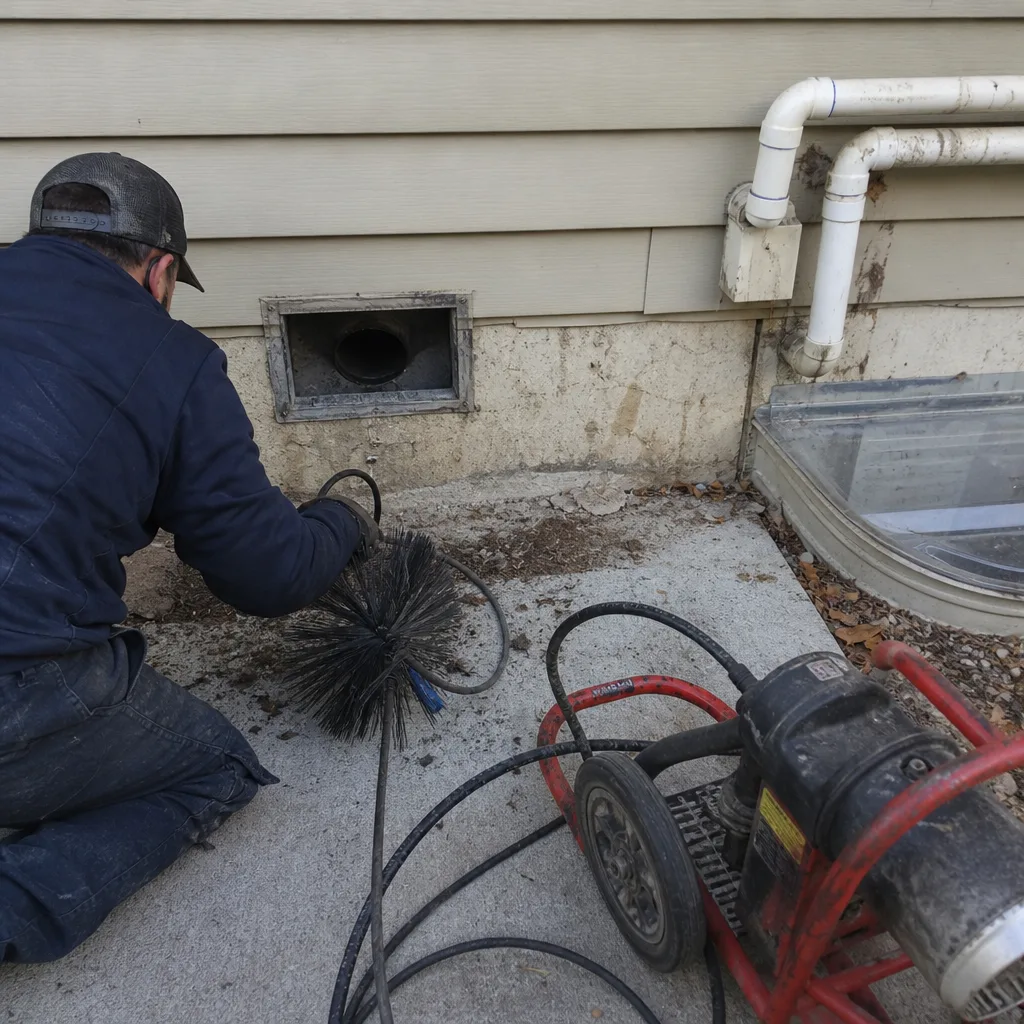 Before
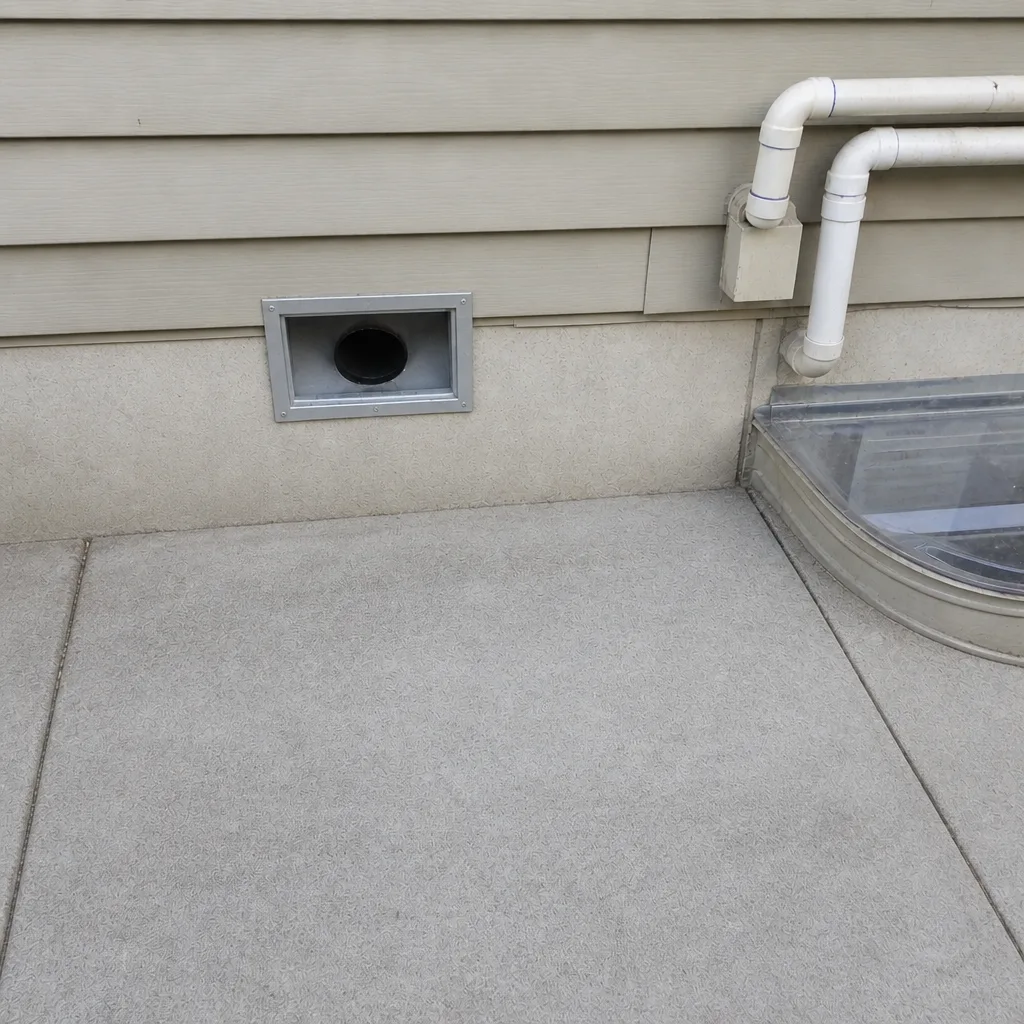 After
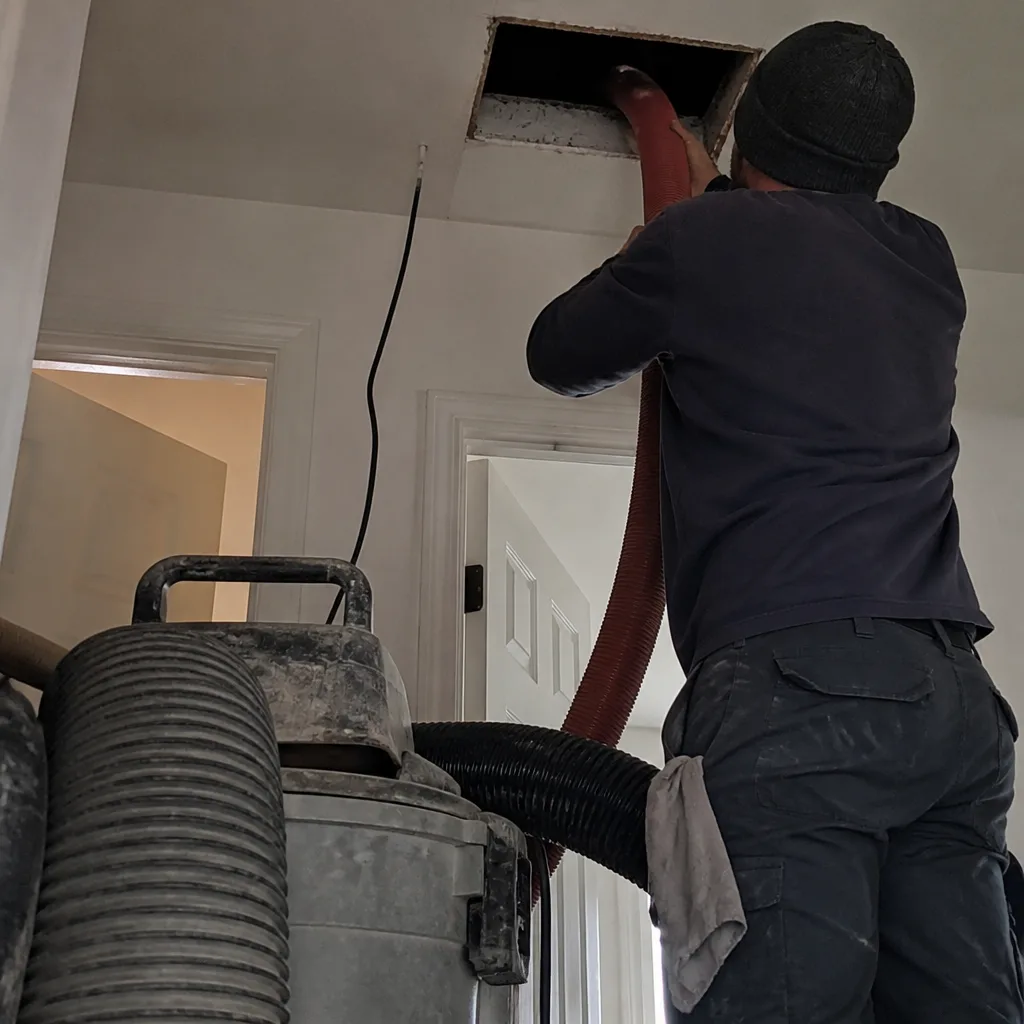 Before
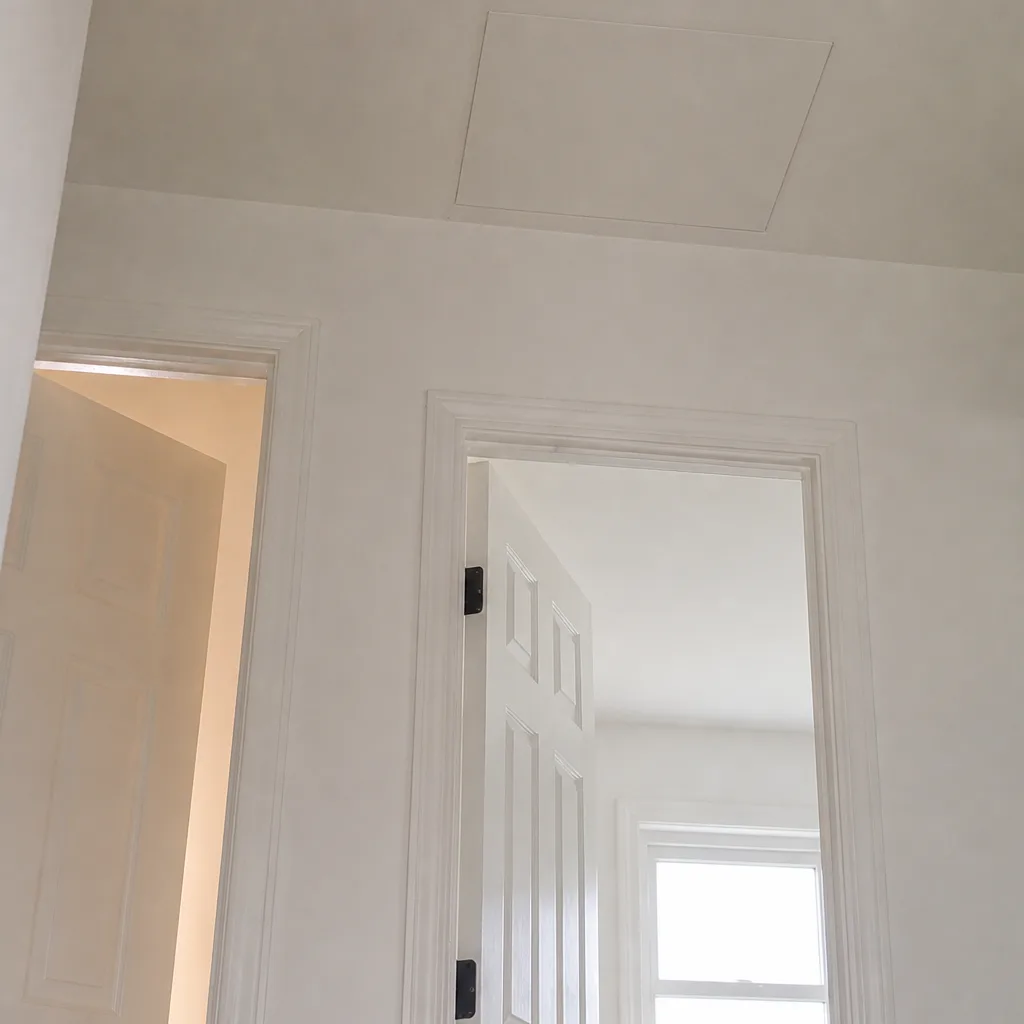 After
When to Call a Professional
You don’t need to schedule duct cleaning on a rigid calendar. It’s a needs-based service, and the signs that it’s time are usually visible. Call a professional if you notice any of these:
- Visible dust coming out of the supply registers when the HVAC starts up
- Persistent musty or dusty smells in the home that don’t clear with normal ventilation
- Allergy or asthma symptoms that seem worse indoors than outdoors
- Recent renovation, new construction, or a move-in to a home that’s been through either
- A rodent or pest problem that put debris into the ducts
- Airflow that’s dropped noticeably at some vents and not others
Herriman Air Duct Cleaning offers free estimates in Herriman – call (844) 625-7619. We answer 24/7. Fast dispatch from 7am to 7pm, Sunday through Friday.
Frequently Asked Questions
Rotobrush, Nikro, Abatement Technologies, and truck-mounted systems like Hypervac and Vac-Man are the professional-standard brands. Rotobrush and Nikro are the most common for residential source-removal work; Abatement Technologies equipment handles contamination scenarios; Hypervac and Vac-Man are truck-mounted systems used for large residential and commercial jobs. Ask your contractor which they use before booking.
Yes, and there’s no real substitute for it. Camera inspection confirms the duct was actually cleaned, reveals structural issues like tears or disconnected joints, and shows whether the return system is pulling from a contaminated space. Cleaning without inspection is blind, and you have no way to verify the work was done or that a duct problem wasn’t missed.
Portable systems roll into the home and connect via hose, offering agile containment and HEPA filtration for typical residential jobs. Truck-mounted systems like Hypervac and Vac-Man deliver far higher airflow sustained throughout the job, which matters for large homes and heavy contamination. Truck-mounted is not automatically better for a standard Herriman home; matching the equipment to the job is what matters.
Because Utah doesn’t license duct cleaners, so anyone can claim the title. Equipment is the verifiable proof. A company running Rotobrush, Nikro, or Abatement Technologies has invested in professional-grade systems. A company that can’t name any system is likely running consumer-grade equipment that won’t deliver comparable results.
Some can, some can’t. Duct repair and sealing are structural work that requires different capability than cleaning. If your inspection reveals a torn liner, a disconnected joint, or crushed flex duct, you need a company that can repair it in the same visit. Ask specifically whether they can repair and seal ducts, or whether they hand off to another contractor.
Most homes benefit from cleaning every three to five years, but Herriman’s newer construction and dry climate can shorten that window. Homes that have been through a recent remodel, a new build, or a pest problem often need cleaning sooner. If you see dust from the registers or notice allergy symptoms inside the home, schedule an inspection regardless of how recently the ducts were last cleaned.
Yes, that’s part of how we work. You should be able to see what came out of your ducts and what they look like after cleaning. Call (844) 625-7619 for a free estimate and we’ll walk you through the process before anything starts.
The Bottom Line
Choosing an air duct cleaning company in Herriman comes down to a few verifiable facts. The equipment they use, the brands they can name, whether they inspect with a camera, whether they can repair what they find, and whether the price they quote is the price you pay. Reviews are unreliable. Brochures are marketing. The equipment in the driveway doesn’t lie. Ask the five questions, listen for the brands, cross-check against NADCA’s residential standards, and hold the boundary that cleaning doesn’t fix structural duct problems. Our technicians have up to 10 years of experience handling the equipment side of that checklist, and our Herriman Air Duct Cleaning team is ready to walk you through it.
Call (844) 625-7619 for a free estimate. We answer 24/7. Fast dispatch from 7am to 7pm, Sunday through Friday.
Written by the team at Herriman Air Duct Cleaning.