
Last updated November 23, 2026
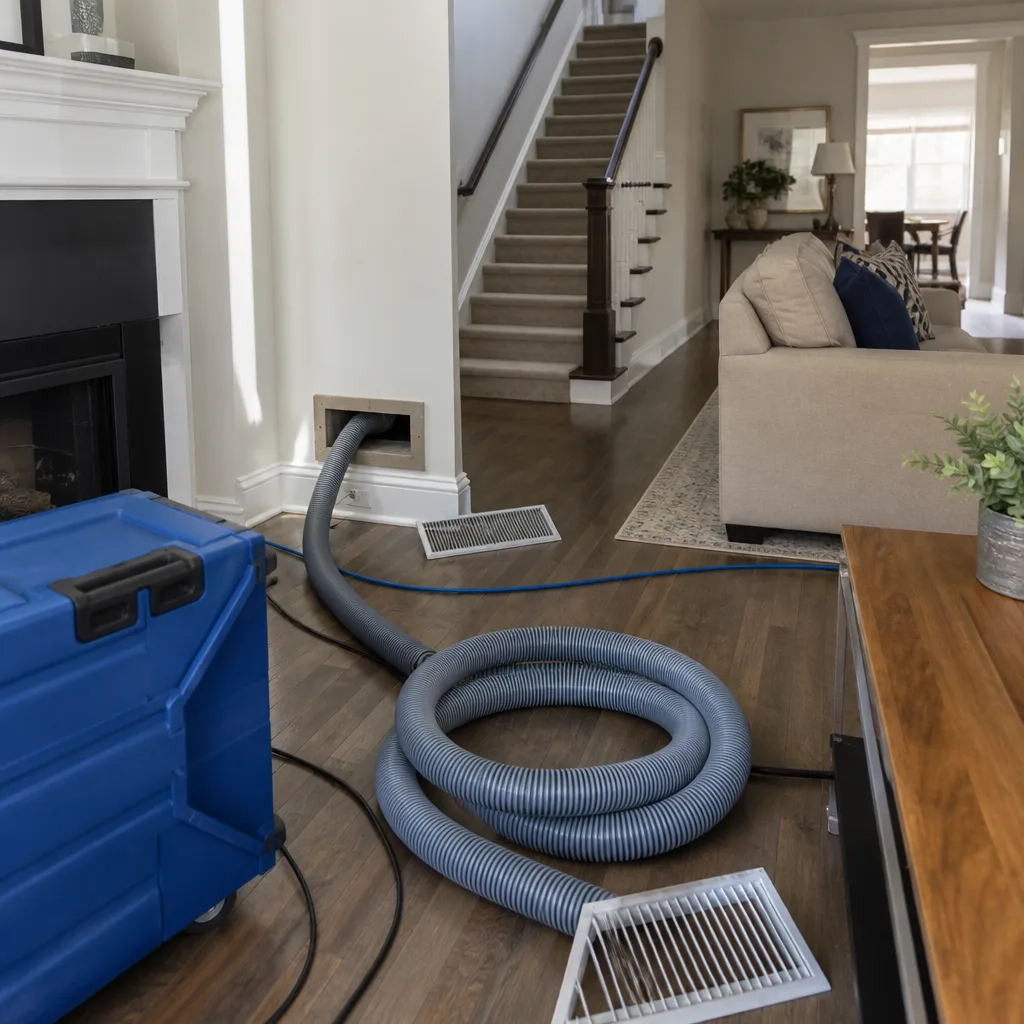 Whole-home duct cleaning
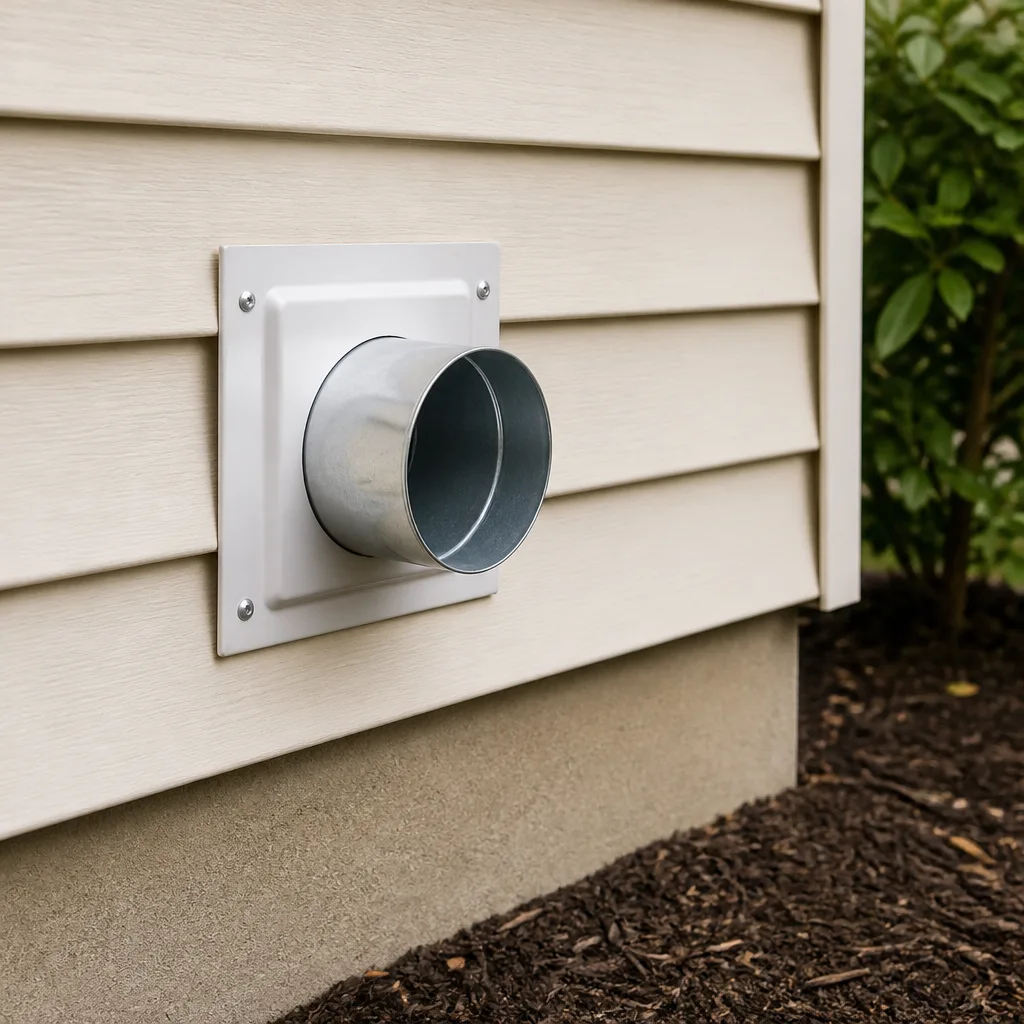 Dryer vent cleaning
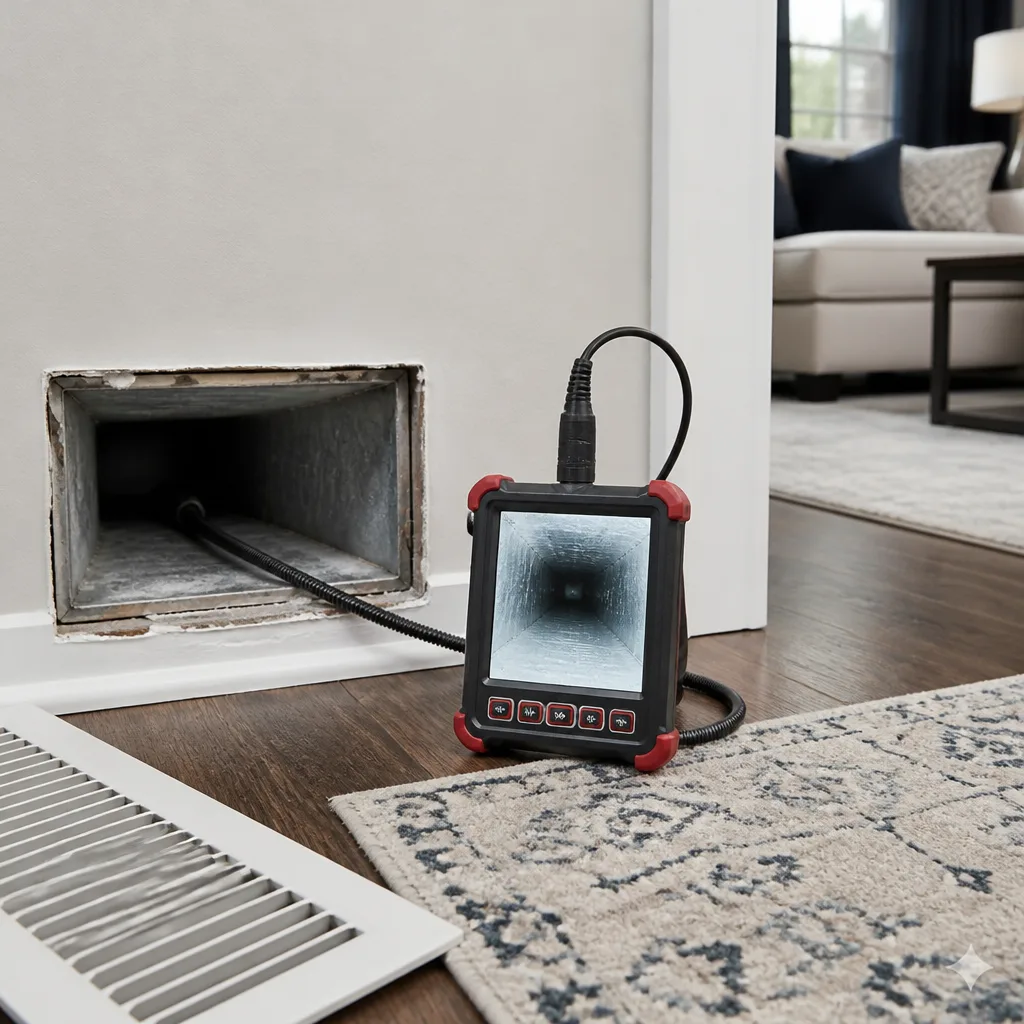 Camera inspection
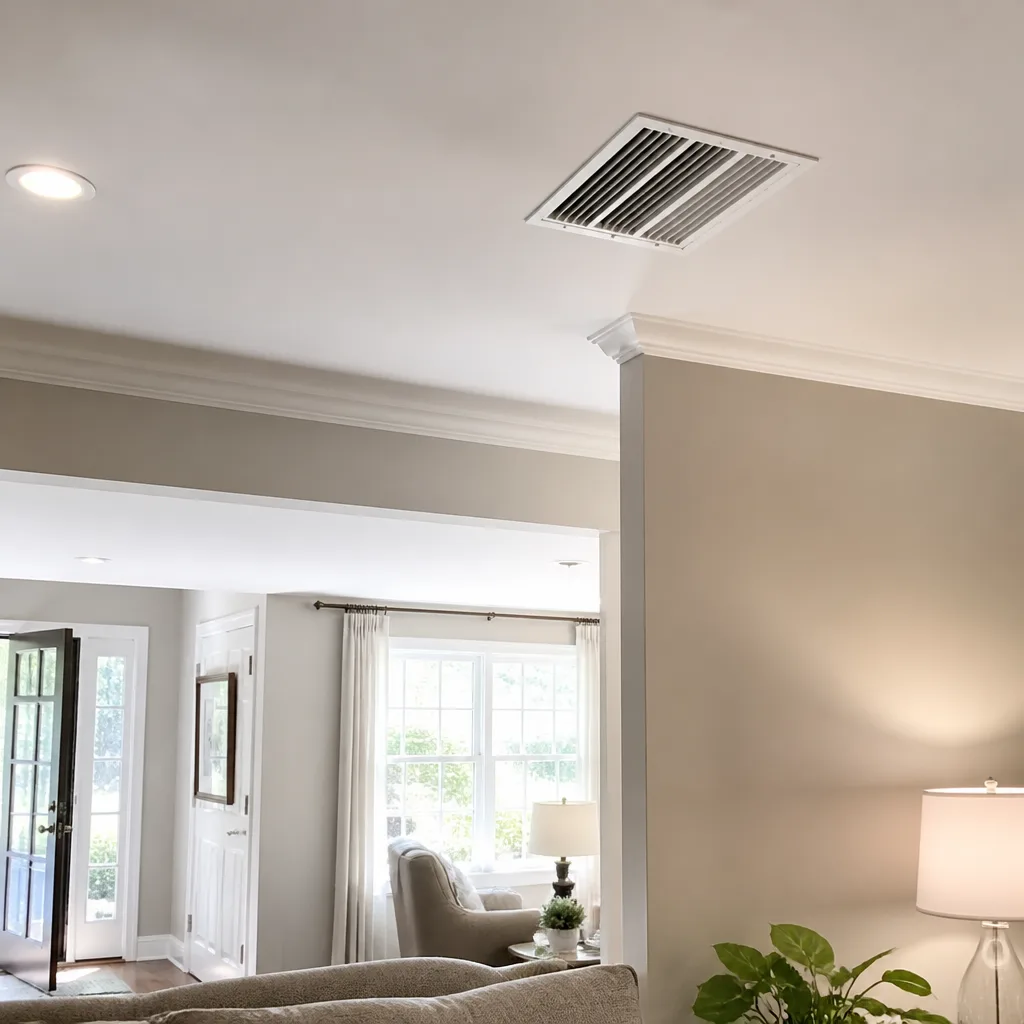 Sanitizing & deodorizing
Whole-system duct and dryer vent check with before-and-after photos - you see exactly what came out of your vents
That "$99 whole-house special" is a bait ad - the real number appears once they are in your hallway, or the "clean" is a shop-vac at the register. We photograph the inside of your ducts before and after instead.
The Complete Guide to Air Duct Cleaning in Herriman
Most Herriman homeowners ask the wrong question first. They call around looking for a duct cleaning, when what they actually need is a duct diagnosis. The two aren’t the same thing, and the difference matters more here than in most places. Herriman sits at roughly 5,000 feet, ringed by active construction corridors, and it catches seasonal inversion events that hold fine particulates low against the valley. A house here collects dust differently than a house in a humid coastal climate, and a cleaning sold by the vent count doesn’t account for any of that. This guide walks through what a real diagnosis involves, what professional equipment actually does, and how to tell whether the work was done.
Quick Answer
Air duct cleaning in Herriman should start with an inspection, not a sale. A proper job uses camera inspection and pressure testing to find where contamination and leakage actually are, then cleans the full system under negative pressure with professional-grade equipment. The result should be verifiable through inspection photos, airflow readings, and filter condition, not just a technician’s word that it’s done.
Styles & brands we work with
- Whole-home duct cleaning
- Dryer vent cleaning
- Camera inspection
- Sanitizing & deodorizing
Table of Contents
- Why Herriman Ducts Get Dirtier Than the National Average
- Camera Inspection vs. Pressure Test vs. Visual Estimate
- What Professional Negative Pressure Equipment Actually Does
- The New Construction Dust Problem in Herriman
- What “Clean” Should Look Like When the Job Is Done
- Duct Repair and Sealing: Why Cleaning Alone Isn’t Enough
- Beyond Ducts: Dryer Vents, HVAC Coils, and Sanitizing
- How Often Do Herriman Ducts Really Need Cleaning?
Why Herriman Ducts Get Dirtier Than the National Average
Herriman’s geography loads the air with material that has to go somewhere, and much of it ends up inside your ductwork. At about 5,000 feet elevation, the air is thinner and drier than most national guidance assumes. Fine dust stays airborne longer, and a forced-air system running through a dry, static-prone environment moves a steady volume of grit into the return plenum. That grit settles in the flat runs and low points of your ducts.
Then there’s the seasonal inversion. In winter, cold air trapped close to the ground holds particulates down in the valley rather than letting them disperse. Homes running their furnaces through an inversion cycle pull that settled air straight through the return. What you’re filtering out is a concentrated version of the problem, not a diluted one.
The construction corridor is the third piece. Herriman has developed rapidly, and active building sites send a constant supply of gypsum dust, concrete fines, and sawdust into the surrounding air. Homes within a few blocks of an active site see it settle on windowsills within days. That same material pulls into the returns every time the air handler cycles.
Put together, these three factors create a contamination profile that looks different from the national average. A Herriman duct system tends to see more fine mineral dust, more construction residue, and more seasonal particulate loading than a home in a settled, humid climate. That doesn’t mean every Herriman home needs a cleaning. It means the diagnosis has to account for what’s actually accumulating.
Camera Inspection vs. Pressure Test vs. Visual Estimate
There are three ways a contractor can assess your ducts, and they’re not equivalent. Two of them tell you something useful. One doesn’t.
A visual estimate is what most contractors offer. A technician walks through, counts vents, looks at the return grille, and quotes a price. It’s fast. It’s also nearly useless for diagnosing what’s actually going on inside the ductwork, because the inside of a duct is by definition invisible from the outside. A grille that looks clean in a hallway can sit on top of a plenum full of debris. A grille with visible dust might just be a leaky boot seal forcing dust past the filter.
A camera inspection changes the picture. A small borescope is fed through the system, and the technician sees the inside of the supply runs, the return trunks, and the plenum. That’s where the real evidence lives: settled debris depth, moisture, mold growth on wet insulation, disconnected joints, and pest activity. The camera tells you whether the ducts are contaminated and where.
A pressure test answers a different question. It measures how leaky the system is. A duct system that leaks 20% of its airflow into the attic or crawl space wastes energy and pulls contaminated air in from wherever the negative pressure draws from. A pressure test finds those leaks so the sealing scope is precise rather than guessed.
Skipping the camera and pressure test leaves you guessing. A contractor who quotes a cleaning without either is selling a service, not a diagnosis. Herriman homeowners should expect a contractor to walk through the inspection findings with them before recommending any work. If a quote arrives before the inspection, that’s a red flag. For more on the cleaning process itself, see our air duct cleaning page.
What Professional Negative Pressure Equipment Actually Does
Negative pressure cleaning is the technical standard for a reason. Here’s the idea in plain terms: instead of pushing air and dust around inside the house, the equipment creates a pressure differential that pulls contamination toward a collection point, keeping it out of your living space while it’s being removed.
The comparison to a portable shop-vac setup is not hyperbole. A consumer vacuum at the end of one vent agitates the duct while pulling some of the loosened material through its filter. But it can’t reach the whole system, it can’t generate true negative pressure across multiple runs, and the fine mineral dust it stirs up tends to escape before the filter catches it. Professional systems are built differently.
We use Rotobrush and Nikro professional-grade systems on every job. These are the same class of equipment commercial HVAC contractors use for system cleaning, not consumer gear with a branded housing. The system combines a high-volume negative pressure unit with rotary agitation tools sized for different duct types, and the collection filter is rated for the fine particulate a Herriman home actually generates.
Negative pressure also matters for another reason: on a contaminated system, you don’t want the cleaning itself to release contamination into the home. When a technician opens a duct to clean it, everything loosened inside is in motion. Negative pressure means the air is always moving toward the collection unit, not toward the open register. That’s the whole point.
For anything involving serious contamination, Abatement Technologies protocols are part of the toolkit. Those protocols exist for remediation-level scenarios where the contamination load is higher than routine maintenance. If an inspection turns up the kind of buildup that needs that level of handling, the equipment needs to match it.
The New Construction Dust Problem in Herriman
A brand-new Herriman home has a different duct contamination profile than a home that’s been lived in. That surprises people. New construction dust is not clean dust. It’s a mix of drywall compound, sawdust, concrete fines, fiberglass fibers, and metal shavings from the rough-in, and much of it settles inside the ductwork while the house is still being finished.
The system often runs before the home is even fully sealed. Contractors test the HVAC during the build sequence. The furnace and air handler cycle. Return air comes from a home that’s actively under construction. Duct cleaning at move-in is a common recommendation in fast-growing subdivisions for exactly this reason.
The other factor is the construction corridor around the home. New neighborhoods often sit next to active building sites for months or years. The exterior dust loading on a house in those circumstances is higher than on an established street, and it feeds the system through the returns and any leaky duct joints. What that means practically:
- Have the system inspected after the home is finished but before you fully settle in, or within the first year.
- Ask the contractor to include the plenum and return trunk in the camera scope, since that’s where construction dust concentrates.
- Check the filter after the first 30 days and replace it more often through the first year.
- If you’re in an active build area, expect the filter to load faster and check it monthly.
- Address any duct leaks found in the pressure test, because a leaky system pulls construction dust in from outside.
Post-construction cleaning needs a different protocol than routine maintenance. If a contractor is quoting a routine cleaning for a newly finished home, ask them what’s different about the post-construction scope. The answer should be specific.
What “Clean” Should Look Like When the Job Is Done
Here’s where most duct cleaning falls apart. The technician finishes, loads up, and tells you it’s done. You have no way to check. Three verifiable outcomes separate a real job from a hopeful one.
1. Inspection photos. You should receive before-and-after photos of your own ducts, not stock images. The photos should show the same locations in the same lighting so the comparison is honest. Ask for them before the technician leaves, and if the contractor doesn’t provide photos as part of the standard job, that’s a signal about how the work was documented.
2. Airflow readings. A handheld airflow meter at the registers before and after cleaning gives you a number. It’s not a perfect measurement, because airflow also depends on filter loading and duct condition, but a meaningful improvement should show up. If the airflow is unchanged, either the ducts weren’t the problem or the job didn’t address what’s restricting flow.
3. Filter condition. The filter isn’t a duct reading, but it tells you a lot. After a proper cleaning, the filter housing should show less settled dust on the downstream side, and the filter itself should load more slowly going forward. If the filter clogs again in two weeks, the source wasn’t addressed.
Those three things, together, are what “clean” means. The technician’s assurance is not enough. Ask for the photos, the numbers, and the filter check. A contractor who does the work is comfortable with that. A contractor who doesn’t will find reasons to avoid it.
Duct Repair and Sealing: Why Cleaning Alone Isn’t Enough
Cleaning removes what’s there. It doesn’t stop new contamination from arriving. The most common source of ongoing contamination in a Herriman duct system is a leak. Ducts lose integrity at flexible connections, at boot connections behind the drywall, and at every joint that was sealed with tape that’s since degraded in the dry air.
When a supply duct leaks into the attic, it dumps conditioned air into a space that wasn’t meant to receive it. That’s energy waste. The bigger problem is the return side. A return duct that leaks in a hot attic or a dusty crawl space pulls outside air straight into the system, and that outside air is unfiltered by the media filter. That’s how dust keeps arriving after a cleaning.
That’s why we offer duct repair and sealing as a core service. We’re not going to clean your ducts and hand you off to a different contractor to fix the leaks. Cleaning and structural fixes happen in the same visit, by the same team. The most common repairs are:
- Resealing flexible duct connections at the plenum and boot
- Replacing failed mastic or foil tape joints on sheet metal runs
- Reconnecting or supporting ducts that sagged or disconnected in the attic
- Sealing the boot-to-drywall transition where supply grilles sit
- Repairing crushed or kinked flex runs that are restricting airflow
If the pressure test finds leaks, seal them, then verify with a second reading. A sealed system holds the cleaning you paid for. An unsealed system doesn’t.
Beyond Ducts: Dryer Vents, HVAC Coils, and Sanitizing
Clean ducts are only one part of the indoor air picture. A house has several systems moving air, and any one of them can undermine the others.
The dryer vent is the highest-risk one. Lint accumulation in a dryer vent is a fire hazard, and a partially clogged vent makes the dryer run longer and hotter. We handle dryer vent cleaning as a separate service because it’s a different problem with a different consequence, and it should be on its own inspection schedule.
The HVAC system itself (evaporator coil, blower wheel, condensate pan) is where a lot of the contaminants end up collecting. A clean duct system feeding a dirty coil reassures nobody. HVAC cleaning addresses the equipment, not just the ductwork. When we clean the system, we’re looking at the whole air path.
After cleaning, sanitizing treatments make sense in scenarios where the inspection finds microbial growth or heavy contamination. We use Guardsman-grade sanitizing products and Abatement Technologies protocols for that work. Sanitizing is not a substitute for cleaning, and no honest contractor should sell it as one. Clean first, sanitize where it’s warranted.
For filtration upgrades, we stock and install Honeywell and Aprilaire products. Those are installed after cleaning, and the point is filtration that matches how fast the system loads in a Herriman home. A media filter sized for the return is a real improvement over a thin fiberglass panel. A filter cabinet that holds a deep pleated MERV-rated filter long-term changes how often the system needs attention.
How Often Do Herriman Ducts Really Need Cleaning?
The honest answer is “it depends on what the inspection finds.” The national guidance that gets quoted everywhere (every three to five years) is a starting point for a settled home in a humid climate. Herriman homes are not that.
What actually shortens the interval here:
- Construction activity nearby. A home near an active build site loads faster.
- Recent new construction. A newly finished home needs a cleaning at move-in as a starting point, then a check after that.
- Pets in the home. Pet dander adds a fine, sticky layer that tends to hold everything else.
- Allergy or asthma in the household. The math on filter loading and duct cleanliness changes when the target is health outcomes.
- Older duct systems. Ducts built in earlier phases of Herriman’s expansion often have flexible connections showing their age.
- Heavy inversion seasons. These load the filter and the return faster than average.
The pragmatic schedule: inspect first, clean only what the inspection supports, and set the interval based on what the photos show after the cleaning. A well-sealed, well-filtered system in a settled neighborhood may go years between cleanings. A newly built home next to a live construction site will not. If we clean a system and the contamination returns faster than it should, the next conversation is about filtration and sealing, not another cleaning.
Common Mistakes to Avoid
- Booking based on a price-per-vent quote without an inspection. Per-vent pricing incentivizes a technician to count, not to diagnose. The number you get doesn’t tell you what’s wrong inside the system, and the price often balloons once they’re on the property. A per-job quote from a real inspection protects you from both problems.
- Accepting a cleaning without camera inspection. Without a camera, the contractor is guessing. In a Herriman home with construction dust in the returns, guessing means the plenum and return trunk may be skipped entirely.
- Assuming new construction means clean ducts. A just-finished home in a fast-growing subdivision is one of the more likely candidates for a first cleaning, not one of the least. Drywall dust and construction debris settle into the ductwork during the build.
- Ignoring the dryer vent. It’s a separate system with a separate fire risk, and it gets overlooked every time. Ask about it on the same visit.
- Skipping the pressure test. Clean without sealing is a short-lived result. The system pulls new dust in through the same leaks the cleaning removed it from.
- Treating a filter change as a substitute for cleaning. A new filter cleans the air that reaches it. It doesn’t remove debris from inside the ductwork or reduce contamination that’s already there.
- Not asking for before-and-after photos. Without documentation of your own ducts, there’s no way to check whether the work was done. Ask up front, and confirm the photos are of your system.
See the difference
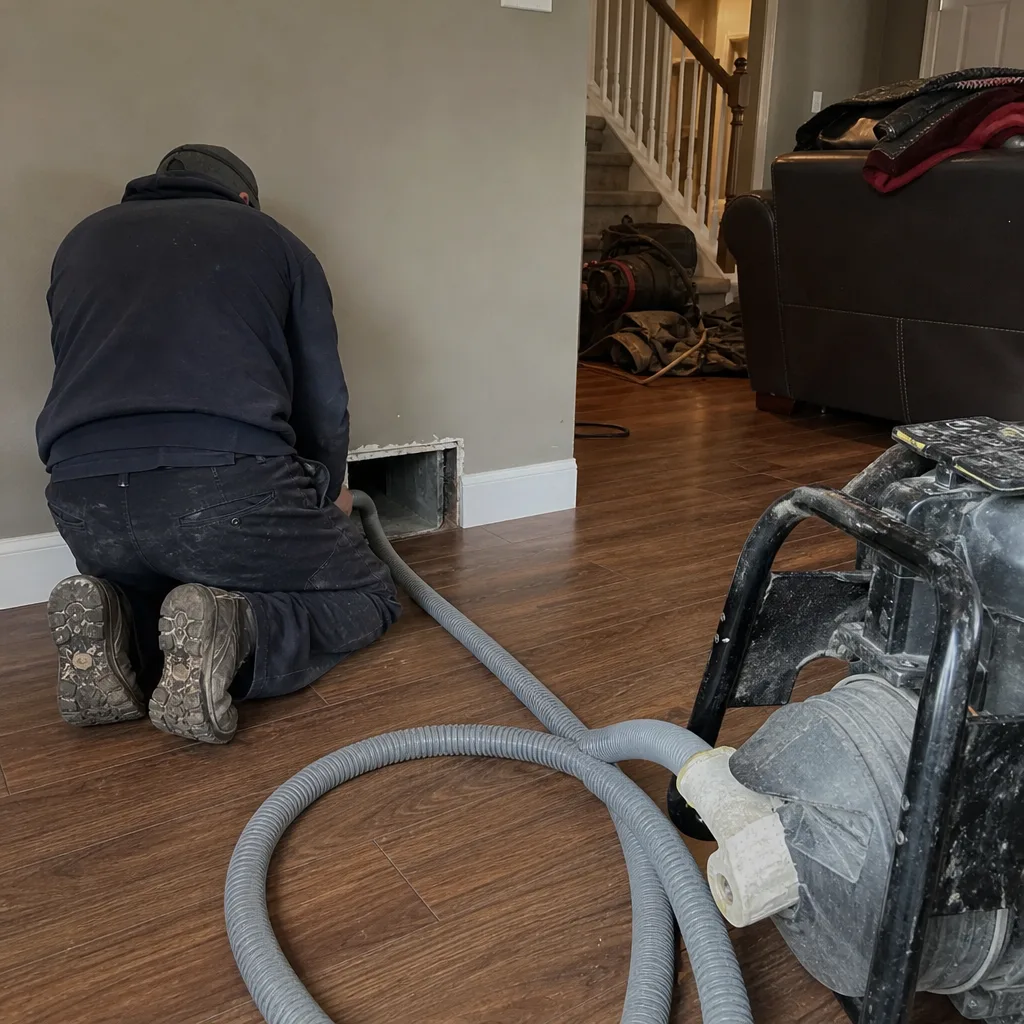 Before
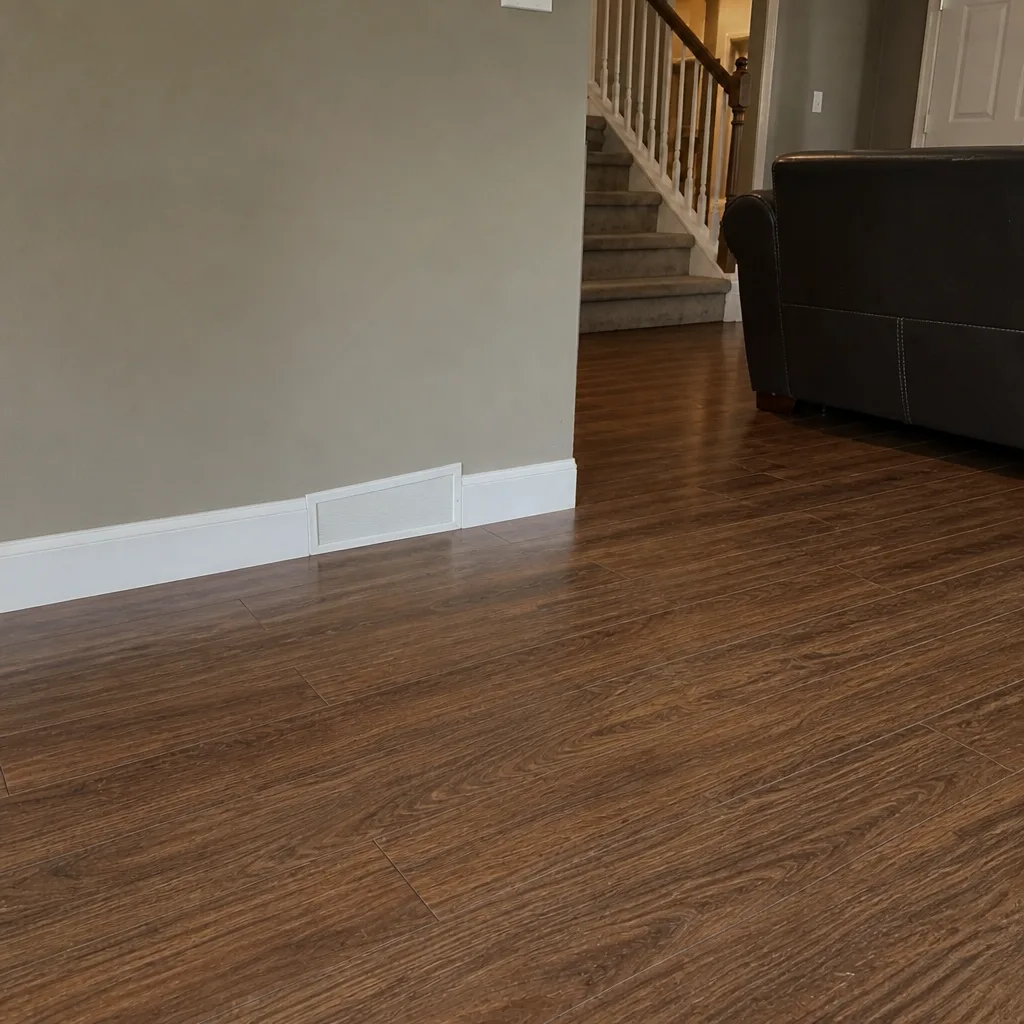 After
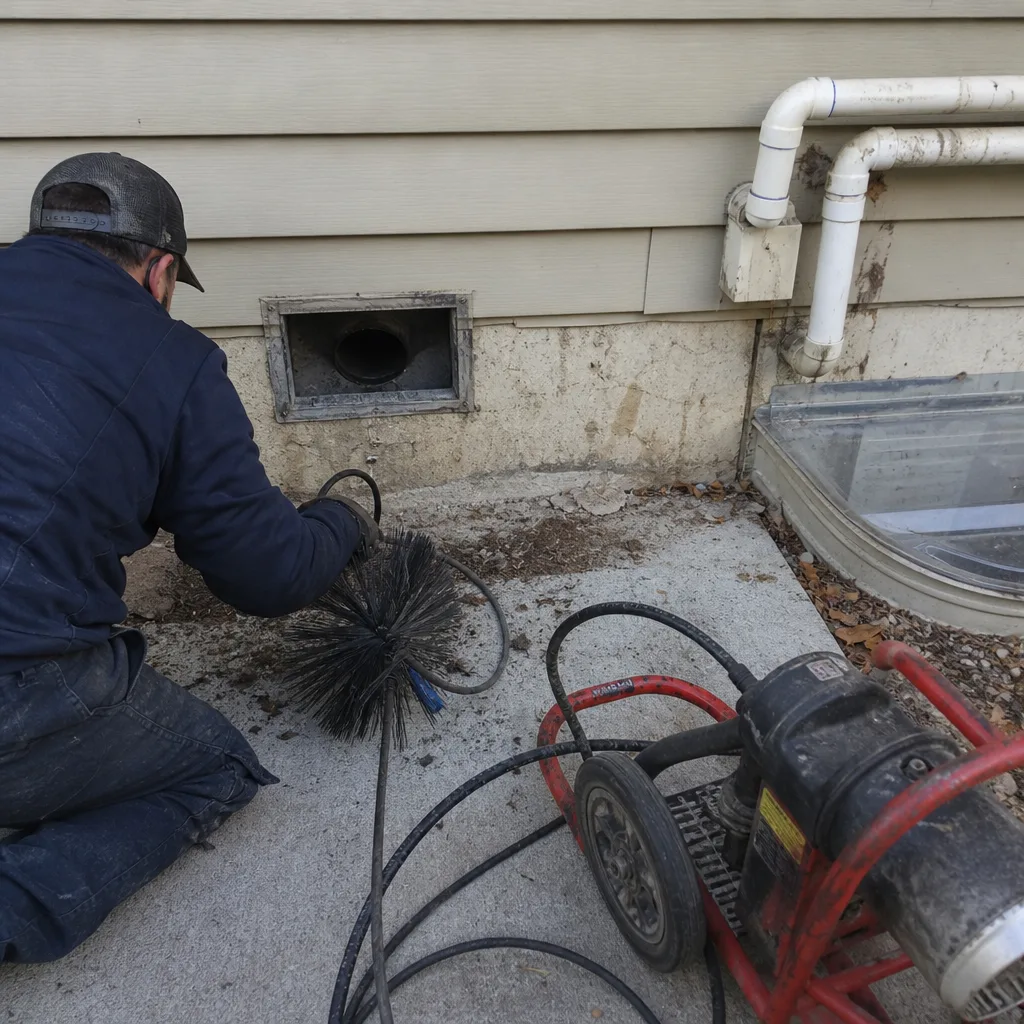 Before
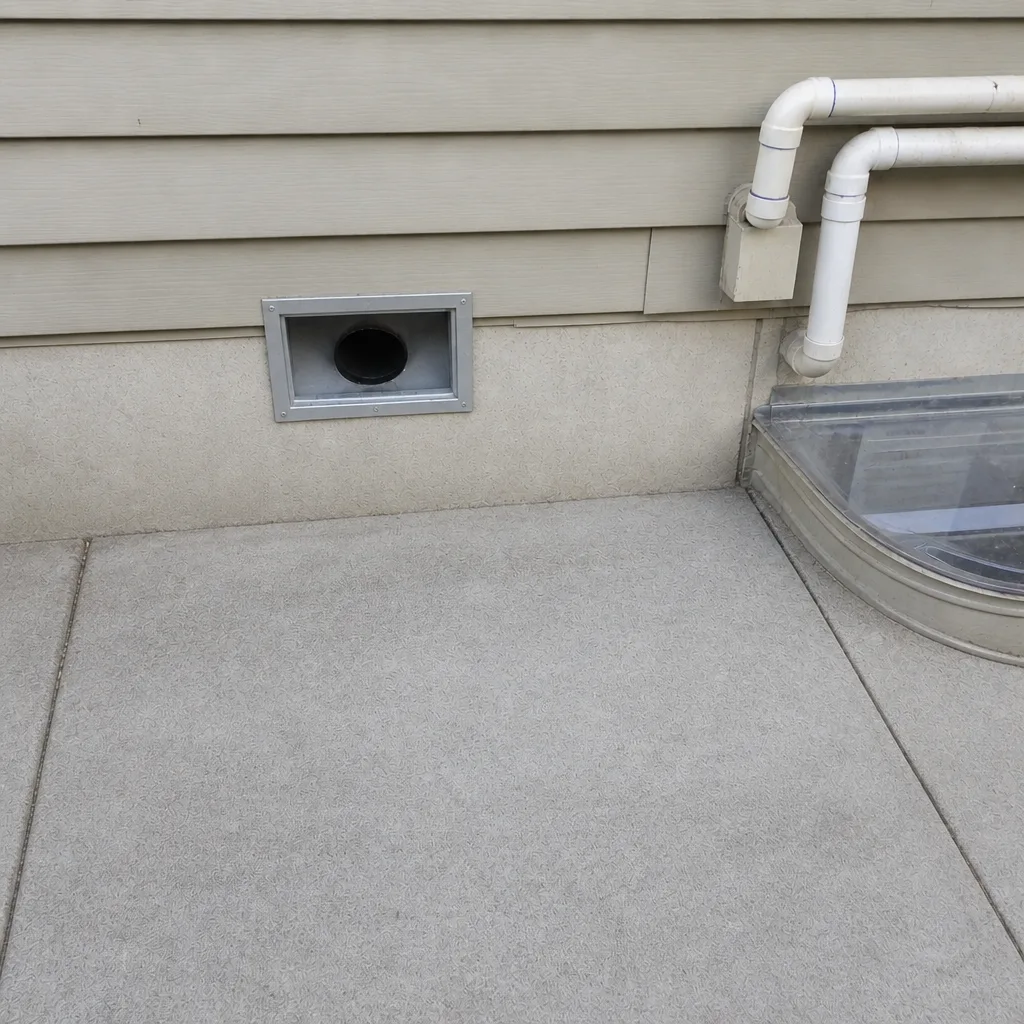 After
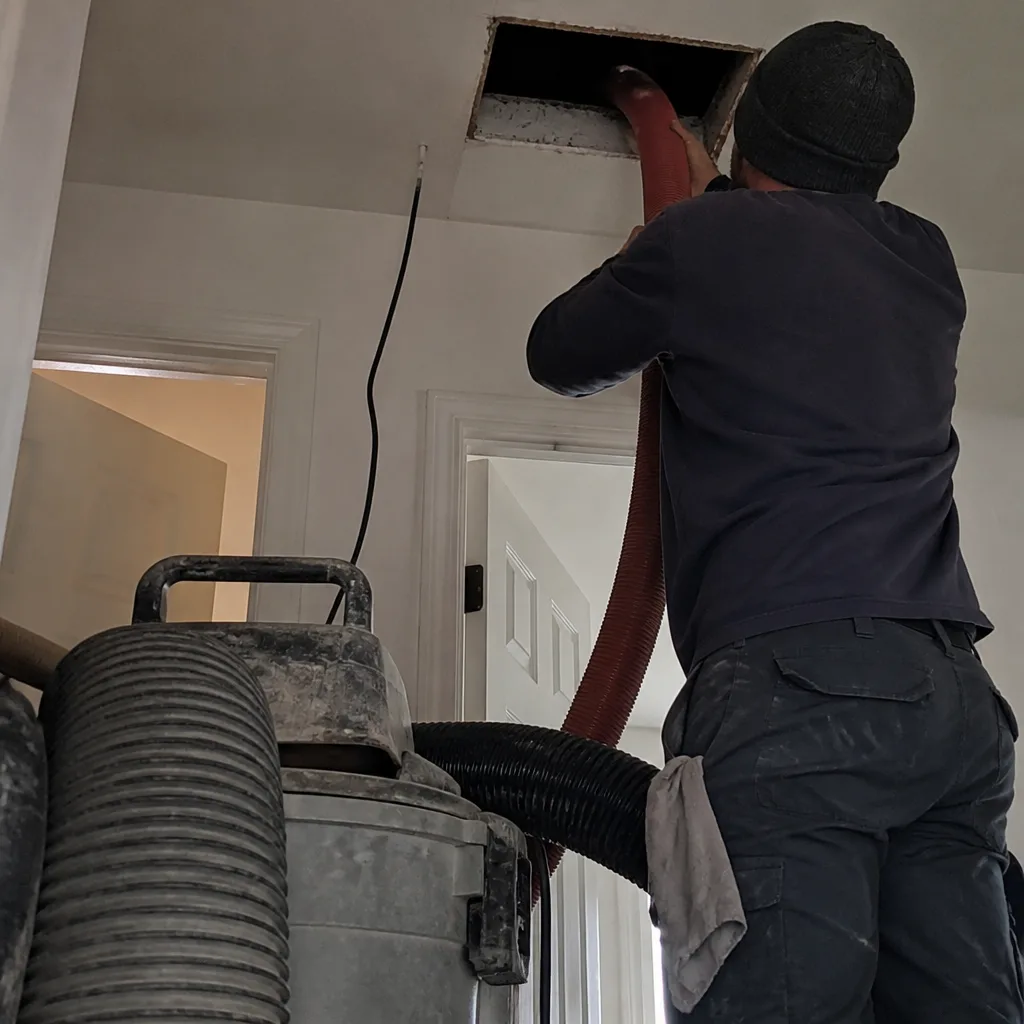 Before
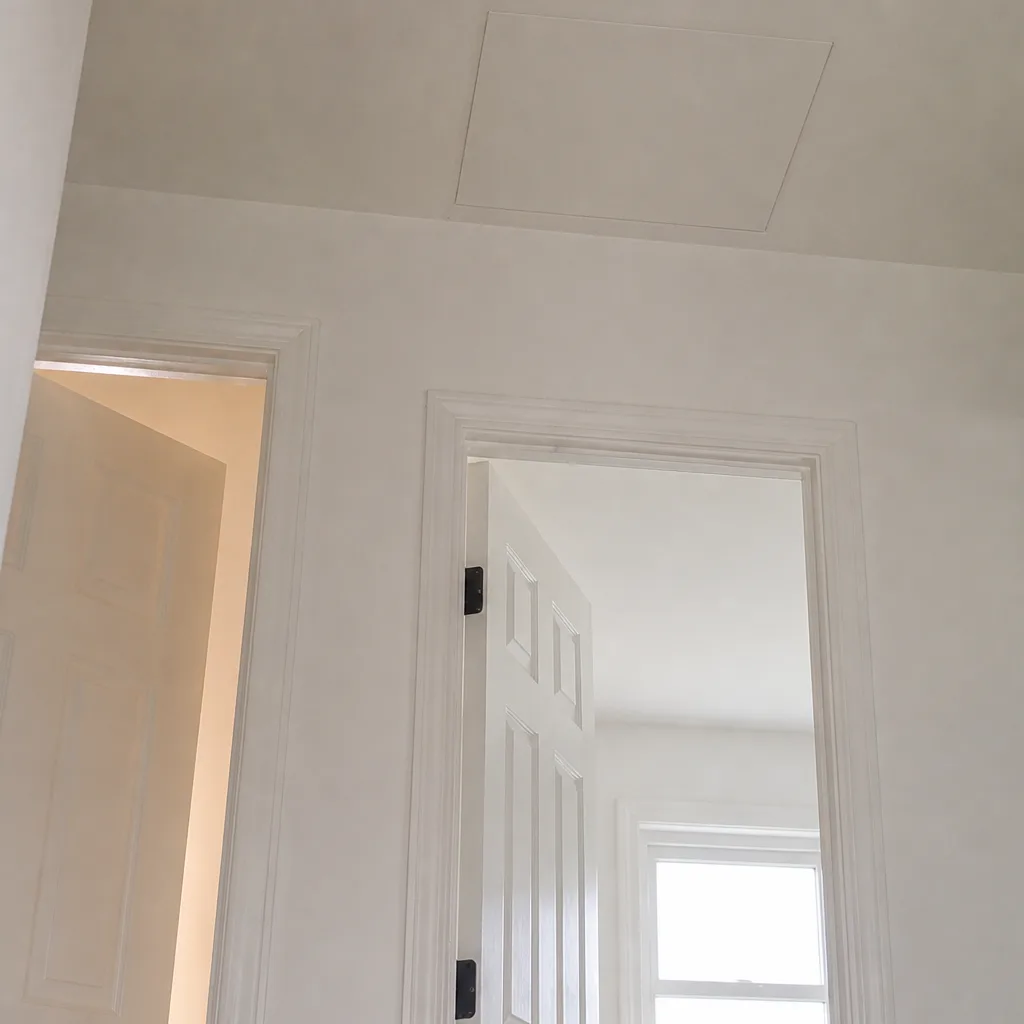 After
When to Call a Professional
Some things call for a technician, not a self-assessment. If you’re seeing visible dust streaks around the supply registers, that’s a sign of a pressure leak or a duct problem that a new filter won’t fix. If a family member has respiratory concerns and the ductwork hasn’t been inspected, that’s worth a camera inspection. If you moved into a newly finished home in a Herriman subdivision, the ducts likely need a post-construction cleaning to start with a clean system. If your furnace filter is clogging in weeks rather than months, something upstream is feeding it.
Herriman Air Duct Cleaning offers free estimates in Herriman. Call (844) 625-7619. We answer 24/7. Fast dispatch from 7am to 7pm, Sunday through Friday.
Frequently Asked Questions
The price is set per job by a written estimate after an inspection, not by a per-vent count. That protects you from the bait-and-switch pattern where a low advertised price turns into a much larger invoice once a technician is on site. We estimate for free, so call (844) 625-7619 for an exact quote.
No, and that’s the point of a diagnosis. Visible cleanliness at a register tells you almost nothing about what’s inside the plenum or the return trunk. A camera inspection answers the question; a visual from the grille doesn’t. Call (844) 625-7619 to schedule a free estimate and inspection.
Because construction dust is the contamination. During the build, the HVAC system runs before the house is sealed, and drywall compound, sawdust, and concrete fines settle inside the ductwork. A post-construction cleaning at move-in is often the sensible starting point for a new home. Call (844) 625-7619 to schedule an inspection.
There’s no fixed interval; the right answer comes from inspection findings, home age, nearby construction activity, pets, and filter loading. A settled home in an established neighborhood may go years between cleanings. A newly built home near an active build site may need attention the first year. Call (844) 625-7619 for a free assessment.
Ask for three things: before-and-after photos of your own ducts, airflow readings before and after cleaning, and a filter condition check. Those three verifiable outcomes are the test. If a contractor can’t provide them, that’s your answer. Call (844) 625-7619 to schedule an inspection.
Usually because they’re quoting less work, not better pricing. A cheap quote often skips camera inspection, skips pressure testing, uses consumer-grade vacuums rather than a professional negative-pressure system, or prices per vent as a teaser. Our equipment is Rotobrush and Nikro professional-grade, and the price is one flat amount per system agreed before work starts. Call (844) 625-7619 for a free estimate.
We answer the phone, ask about your system, and give you a free estimate based on an inspection. We answer 24/7. A call outside dispatch hours is booked into the next opening, Sunday through Friday, 7am to 7pm. We’re closed on Saturday.
The Bottom Line
Air duct cleaning in Herriman starts with a diagnosis, not a sale. Camera inspection and pressure testing tell you what’s actually going on inside the system, and they let a professional scope the job around real evidence. From there, professional-grade equipment under negative pressure removes contamination without releasing it into your home, and duct repair and sealing keep the cleaning from being undone by the same leaks that fed it. Verifiable outcomes (photos, airflow readings, filter condition) are how you know the work was done. And for a Herriman home near a construction corridor or inside an inversion season, that takes the guesswork out of an expensive decision.
For the full picture on the parent service, visit Herriman Air Duct Cleaning.
Call (844) 625-7619 for a free estimate. We answer 24/7. Fast dispatch from 7am to 7pm, Sunday through Friday.
Written by the team at Herriman Air Duct Cleaning.