
Last updated November 23, 2026
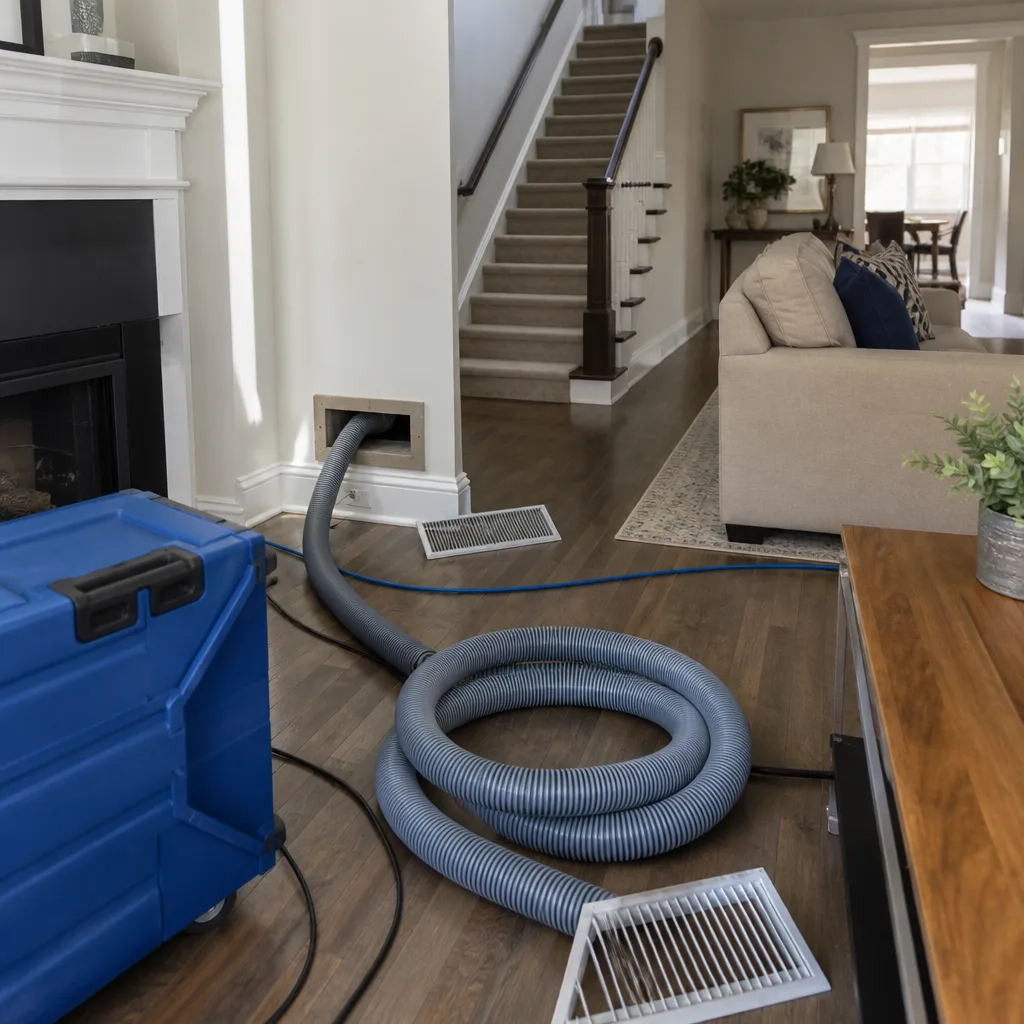 Whole-home duct cleaning
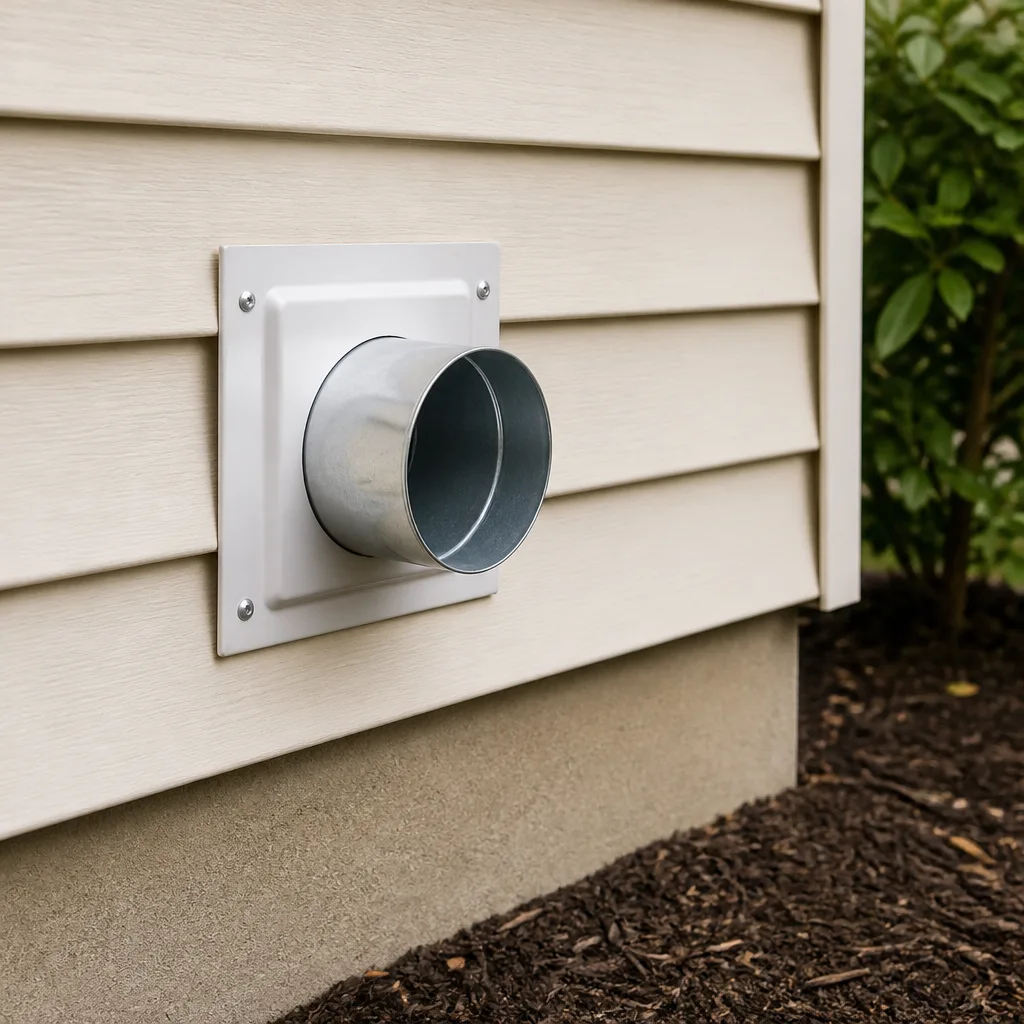 Dryer vent cleaning
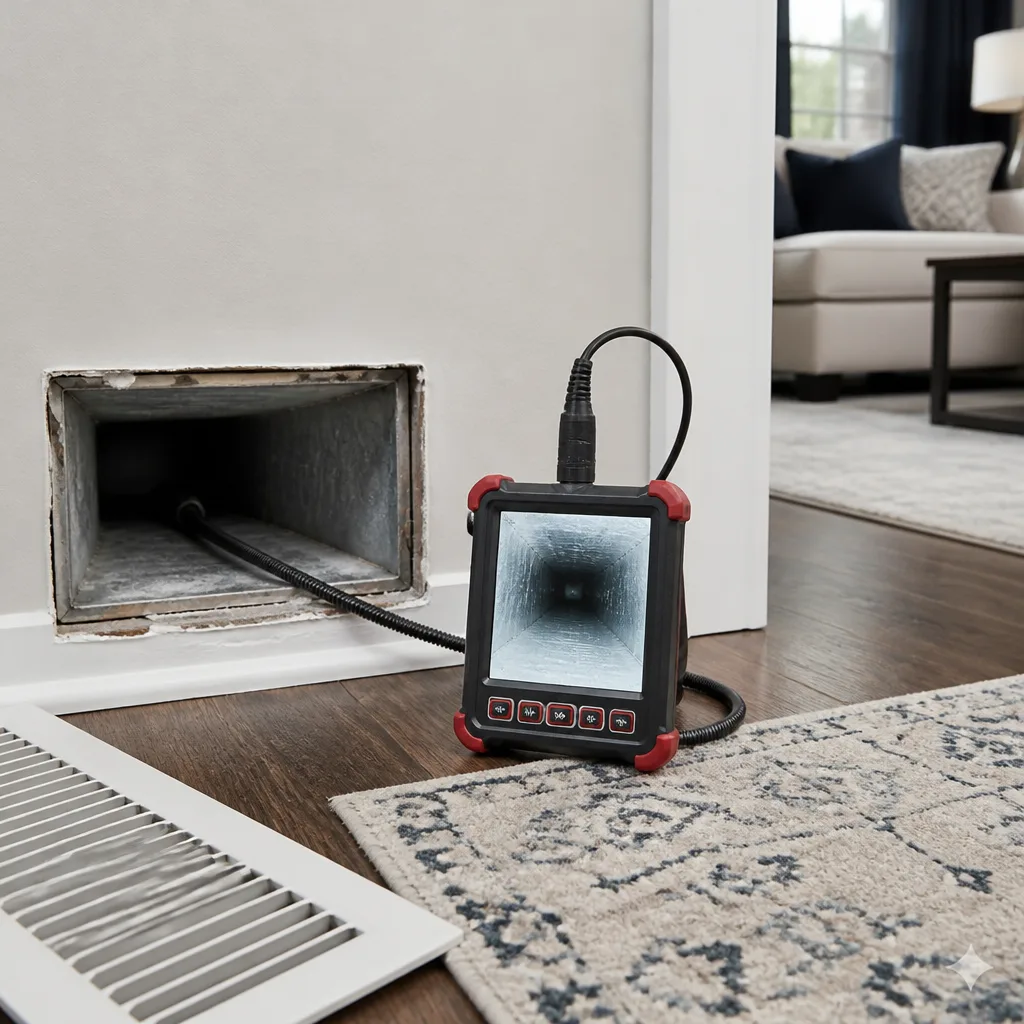 Camera inspection
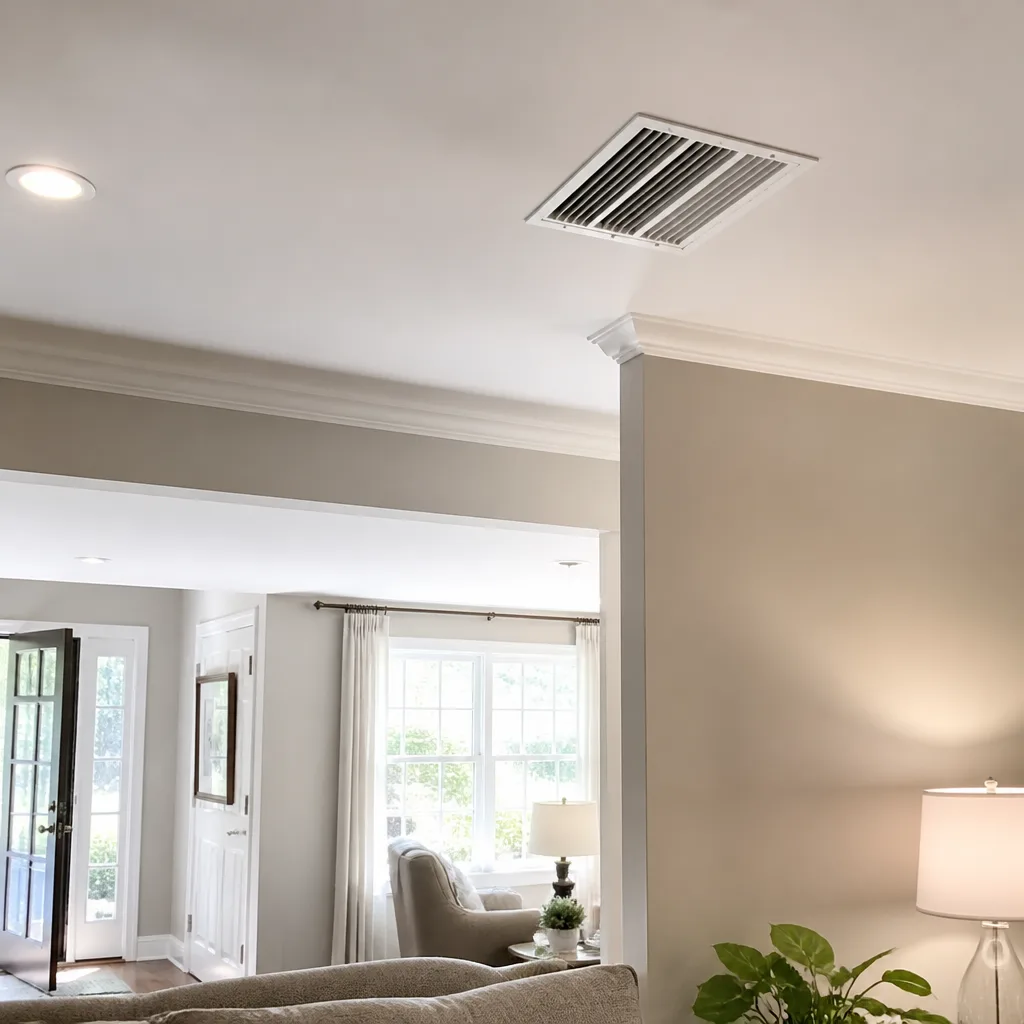 Sanitizing & deodorizing
Whole-system duct and dryer vent check with before-and-after photos - you see exactly what came out of your vents
That "$99 whole-house special" is a bait ad - the real number appears once they are in your hallway, or the "clean" is a shop-vac at the register. We photograph the inside of your ducts before and after instead.
Air Duct Cleaning Warning Signs: A Herriman Homeowner’s Reference Guide
Most warning-sign guides start with dust at the register. That’s the last symptom to show up, not the first. By the time visible dust is puffing out of your vents, the problem has usually been running for a while. Long before that, your furnace, your gas bill, and your family’s breathing have been telling you something is off. This guide teaches you to read those quieter signals first: the energy spikes, the room that never warms up, the morning sneezing that clears by lunch, the smell you keep meaning to look into. You’ll learn what each one points to and which service actually fixes it in a Herriman home. We’ve spent years watching how high-desert HVAC systems behave, and the early clues are surprisingly consistent.
Styles & brands we work with
- Whole-home duct cleaning
- Dryer vent cleaning
- Camera inspection
- Sanitizing & deodorizing
Quick Answer
The most reliable air duct cleaning warning signs in a Herriman home are a sudden 15% or larger jump in your seasonal gas bill with no change in habits, a room-to-room temperature difference above 3°F, allergy symptoms that track to one room or one time of day, and persistent odors from registers. Visible dust is a late-stage indicator, not an early one. Any two of these together are worth a professional inspection.
Table of Contents
- Reading Your Energy Bill as a Duct Diagnostic
- Room-to-Room Temperature Swings Above 3°F
- Allergy Symptom Patterns That Point to Specific Contamination
- The Tissue Test: Spotting Negative Pressure Imbalances
- Odor Profiles and What Each One Means
- When Visible Dust and Debris Finally Appear
- The Two-Year Rule for Herriman Homes
- Common Mistakes to Avoid
- When to Call a Professional
- Frequently Asked Questions
- The Bottom Line
Reading Your Energy Bill as a Duct Diagnostic
Your gas bill is the cheapest diagnostic tool you own. When a forced-air system is losing heated air through disconnected, collapsed, or leaking duct runs, the furnace burns longer to reach the thermostat setting. You feel the warmth, or mostly feel it, and never notice the extra runtime. The bill notices.
How much of a jump matters
A 15% increase over the same month last year, with no change in how you heat the house, is the threshold we tell Herriman homeowners to watch. That’s not a perfect number, but it’s a useful line between normal weather variance and something structural. If your usage climbs 15% or more in a heating season and your habits are unchanged, duct leakage or a crushed run is a plausible cause and worth investigating alongside your furnace itself.
Herriman winters make this easy to read. The swing between an October bill and a February bill is dramatic, so compare the same month across years rather than month to month. A furnace fighting a leaking duct system in a Herriman home works harder through the long cold stretch than one in a milder climate would, which is why leakage shows up in the numbers here more clearly than in a place with a short heating season.
What the pattern tells you
- Steady year-over-year climb: often points to slowly separating duct joints or a run that has settled and pulled apart, especially in attics and crawlspaces where hangers work loose over time.
- Sudden jump in one season: more likely a disconnected or crushed flex run, sometimes after remodeling, pest activity, or a tradesperson moving through the attic.
- Bill high but rooms comfortable: usually leakage into unconditioned space, so you’re heating the attic instead of the living room.
- Bill high and rooms cold: blockage or a badly restricted return, which also strains the blower.
Pair the bill with a visual inspection of accessible ducts and a proper air duct cleaning and airflow assessment. Cleaning alone won’t fix a disconnected run, which is why we repair and seal ductwork as part of our scope rather than handing it off.
Room-to-Room Temperature Swings Above 3°F
Walk your house with a simple thermometer on a cold morning and write down each room. If any room reads more than 3°F off the thermostat setting, while others are on target, you’ve found an airflow problem. A 3°F differential is the line where we stop calling it “just how the house is” and start looking at the duct run feeding that room.
In Herriman, the usual culprit is the long flex run to a bedroom over the garage or a far upstairs room. Flex duct is convenient and cheap to install, and it’s also easy to crush. A single wrong step in the attic can flatten a run by half, cutting airflow to the room it serves. That room feels cold in winter and warm in summer, and the thermostat, sensing the well-fed rooms, keeps running and never quite satisfies the starved one.
How to check it
- Pick a cold morning when the heat has been running steadily.
- Place a thermometer in the center of each room, away from exterior walls and direct sun.
- Let each settle, then record the reading against your thermostat.
- Note which rooms are more than 3°F off and whether they’re all at the end of the same run.
- Check that every register and return is open, unobstructed, and not blocked by furniture or rugs.
If several rooms on one side of the house are all cold, suspect a main trunk problem. If it’s one room, suspect that branch. Either way, this is the signal to book an inspection. Our technicians have up to 10 years of experience reading these patterns, and a proper check with professional-grade equipment from Rotobrush or Nikro tells you whether the fix is a cleaning, a reseal, or a reroute.
Allergy Symptom Patterns That Point to Specific Contamination
Allergy symptoms have a shape, and the shape points to the cause. The trick is noticing when and where they happen, not just that they happen.
When the pattern is worse in the morning
Morning-heavy symptoms that ease after you’ve been up and moving usually mean the system has been circulating while you slept. Whatever is in the ducts is settling into the bedroom air each night. That pattern fits fine particulate: settled dust, dryer lint carried back through a leaky return, or debris disturbed every time the blower kicks on.
When one room is worse than the rest
Symptoms concentrated in a single room, especially a basement, a bathroom-adjacent bedroom, or a room with an older supply run, raise the question of mold spores. Mold needs moisture, and Herriman’s dry climate hides it: a slow condensate leak, a humidifier, or a bathroom vent dumping into an attic can create a local damp spot that feeds growth inside ductwork. If the room smells faintly musty too, the two signals together are strong.
When it’s the whole house at once
Whole-house symptoms that don’t track to a time or a room are more often a general load: years of accumulated pet dander, construction debris from a recent build or remodel, or ordinary settled dust reaching a level the filter can’t keep up with. Herriman has seen a lot of new construction, and new-build ductwork frequently carries drywall dust and offcuts for months unless it was cleaned before move-in.
None of this is a diagnosis of a medical condition, and we’re not doctors. But the pattern tells a technician where to look and which service applies: routine cleaning for general load, an air quality and sanitizing treatment for biological contamination, and a leak repair if moisture is getting in.
The Tissue Test: Spotting Negative Pressure Imbalances
A duct system is only as good as its return air. Supply air has to come back to the furnace to be reconditioned, and if the returns are undersized or starved, the house runs under negative pressure. That pulls outside air, attic air, and garage air in through every gap it can find.
This is a common build issue in the 2000s-era Herriman subdivisions, where returns often weren’t sized to match the supply runs put in by the same installer. The fix isn’t dramatic, but finding it takes a few minutes.
The tissue test
- Turn the system fan on so it runs continuously without heating or cooling.
- Hold a single tissue flat against the face of each return grille.
- A healthy return should pull firmly and hold the tissue flat against the grille.
- A weak return barely holds it, letting it flutter or drop.
- Then hold the tissue near the edges of closed exterior doors and around a door to the garage. Suction here means the house is pulling outside air in to feed the furnace.
Weak returns plus suction at door gaps is a pressure problem, and cleaning alone won’t solve it. It calls for a duct repair and sealing evaluation to balance the system, sometimes with an added return run. Understanding your home’s pressure is part of why we offer repair and sealing alongside cleaning.
Odor Profiles and What Each One Means
Your nose is a diagnostic instrument. Each register smell points to a different condition, and each one maps to a different service.
- Musty or damp-earthy: the signature of moisture and biological growth, often in ducts serving a basement, a bathroom, or a room near a humidifier. This is the one that asks for sanitizing treatment and, if there’s a source, a leak repair, not just a clean.
- Burning or hot-dust: the first time you run the heat in fall, a light dust-burning smell is normal as settled dust cooks off the heat exchanger. A persistent burning smell that keeps returning, or one strong enough to worry you, is a furnace problem, not a duct problem. Turn the system off and have the furnace checked before anything else.
- Chemical or solvent: more common in new construction and after remodels, when adhesives, paint, and sealants off-gas into the ductwork through open returns. It usually fades, but if it lingers or tracks to a specific room, an inspection is worth it.
- Stale or “old building”: a general staleness often means the system is recirculating the same air through clogged returns and a loaded filter. Cleaning the ductwork and the HVAC components together, along with a fresh filter, clears it.
We handle these with professional-grade products and equipment, including Guardsman-grade sanitizing and Abatement Technologies protocols for contamination. If you can’t place the smell, describe it when you call and we’ll point to the right service.
When Visible Dust and Debris Finally Appear
The dust you can see is the symptom that arrives last. When it does, it’s a confirmation, not a discovery.
What you might notice
- Dust settling on furniture faster right after the system runs.
- A puff of dust from a register when the blower starts.
- Dark streaks around return grilles or a grimy filter that loads fast.
- Lint and debris visible inside a register with a flashlight.
- Dryer lint building up behind the dryer or around the vent flap.
When dust appears alongside any of the earlier signals (a rising bill, a cold room, a smell), the case for a cleaning is solid. When it appears on its own, it still points to a system that’s overdue. HVAC cleaning handles the components that feed the ducts, so the blower, coils, and drain pan don’t just recontaminate freshly cleaned ductwork.
The Two-Year Rule for Herriman Homes
Most homeowners ask how often it needs doing, and a clean answer beats a sales pitch. For a typical Herriman home, a duct cleaning every two to three years is a reasonable baseline, and more often if you have shedding pets, a recent remodel, a lot of occupants, or a system that runs hard through a long cold season.
Newly built homes are the exception worth calling out. If you moved into a Herriman new build, the first cleaning is worth doing soon after you’re settled, because construction dust, drywall offcuts, and debris from the build can sit in the branches for months. After that, the standard interval applies. Anyone who lived through the recent construction boom here knows how much dust a new subdivision generates before the streets are even paved.
Common Mistakes to Avoid
- Waiting for visible dust before acting. Visible dust is the last signal to show up, so waiting means you’ve already been paying for a compromised system through energy loss and air quality for a while.
- Cleaning without inspecting the ductwork. A cleaning pass on a system with a crushed or disconnected run fixes none of the airflow problem. Insist on an inspection first, and on a company that repairs what it finds rather than handing you off.
- Chasing the cheapest quote. The lowest price often buys a vacuum waved at the registers, not a real whole-system cleaning. Ask what equipment the crew uses; professional-grade machines and entry-level vacuums aren’t the same job.
- Ignoring the return side. Homeowners focus on supply vents and forget the returns, which is exactly where pressure problems hide in many Herriman subdivisions.
- Fresh filter on a dirty system. A new filter doesn’t rescue a duct system that’s years overdue. Sort the ducts first, then let a clean filter do its job.
- Closing registers “to save money.” Shutting rooms down raises pressure in the rest of the system and can crack or pull apart joints, so it often makes the imbalance worse.
- Skipping the dryer vent. A clogged dryer vent is a fire risk and a lint source, and it’s easy to forget because it isn’t part of the heating loop. A routine check is worth the call.
When to Call a Professional
Call a professional when you see any two of the early signals together: a 15% bill jump, a room off by more than 3°F, a clear symptom pattern, a weak return, or a persistent smell. Call right away if you smell burning, if a room is consistently damp and musty, or if you’ve just finished a remodel and the system has been pulling construction dust. A pro can tell the difference between a cleaning job, a sealing job, and a furnace problem, and point you to the right service.
Herriman Air Duct Cleaning offers free estimates in Herriman, with professional-grade Rotobrush and Nikro equipment and a scope that covers cleaning, repair, and air quality in one visit. Our technicians have up to 10 years of experience reading these signals. Call (844) 625-7619. We answer 24/7, fast dispatch from 7am to 7pm, Sunday through Friday. Or start with a look at our dryer vent cleaning if that’s the signal you’ve noticed.
Frequently Asked Questions
A sudden 15% or larger jump in your seasonal gas bill, with no change in habits, is often the earliest measurable sign. Temperature swings above 3°F and a symptom pattern that tracks to one room come close behind. Visible dust usually shows up last.
Pricing depends on the size of your system and the condition we find, so we set one flat price per system by a written estimate rather than quoting a teaser coupon. That protects you from the low-ad-then-higher-invoice experience. Call (844) 625-7619 for an exact quote; estimates are free.
Yes. Leaking or crushed duct runs in an attic or crawlspace lose heated air before it reaches the room, so the furnace runs longer to hold the thermostat. That extra runtime shows up in your bill even when the house feels mostly fine.
Cheap quotes usually reflect a low-grade vacuum and a quick pass over the registers rather than a whole-system cleaning with professional-grade equipment. The difference is in the machines and the scope: supply vents, returns, and the components that feed them. Call (844) 625-7619 and we’ll walk you through what a real job includes.
Ask for before-and-after photos of your own ducts and HVAC components, and confirm the equipment used on site. That’s the record you keep. Call (844) 625-7619 and we’ll explain what our technicians document each visit.
Every two to three years suits most homes, and more often with pets, a recent remodel, or a large household. New construction should get its first cleaning soon after the build, because drywall dust and offcuts linger in the branches.
The Bottom Line
The signs that matter most in a Herriman home are the quiet ones. Read your energy bill, walk your rooms with a thermometer, notice when and where symptoms appear, test your returns with a tissue, and pay attention to odors at the register. Each one points to a specific condition and a specific fix. When two or more line up, that’s your cue to book an inspection rather than wait for dust to appear. The right equipment, the right diagnosis, and a scope that includes repair and sealing all matter more than a low number on a flyer. That’s the whole point of reading the signals early.
Ready to find out what your ducts have been telling you? Call Herriman Air Duct Cleaning at (844) 625-7619 for a free estimate. We answer 24/7, fast dispatch from 7am to 7pm, Sunday through Friday. For a whole-system look, revisit Herriman Air Duct Cleaning and let’s read your system together.
Written by the team at Herriman Air Duct Cleaning.
See the difference
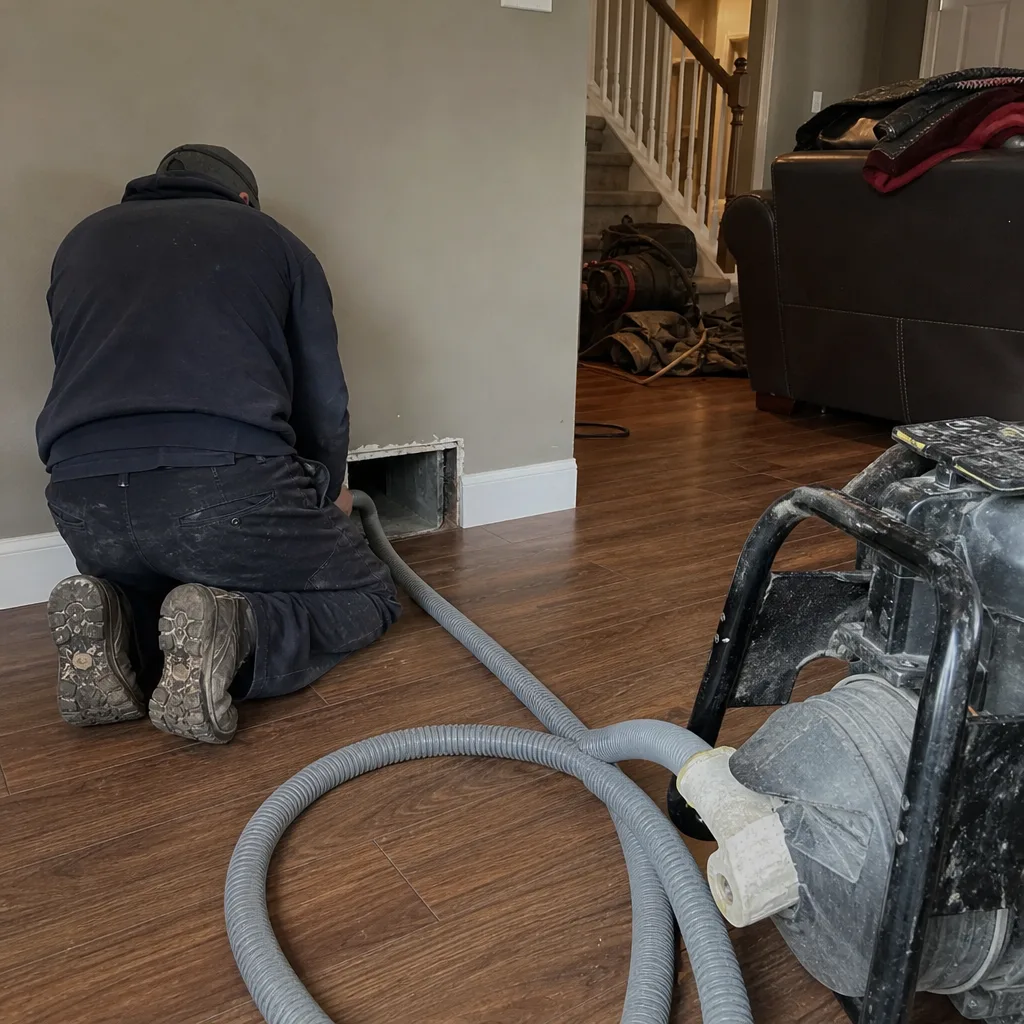 Before
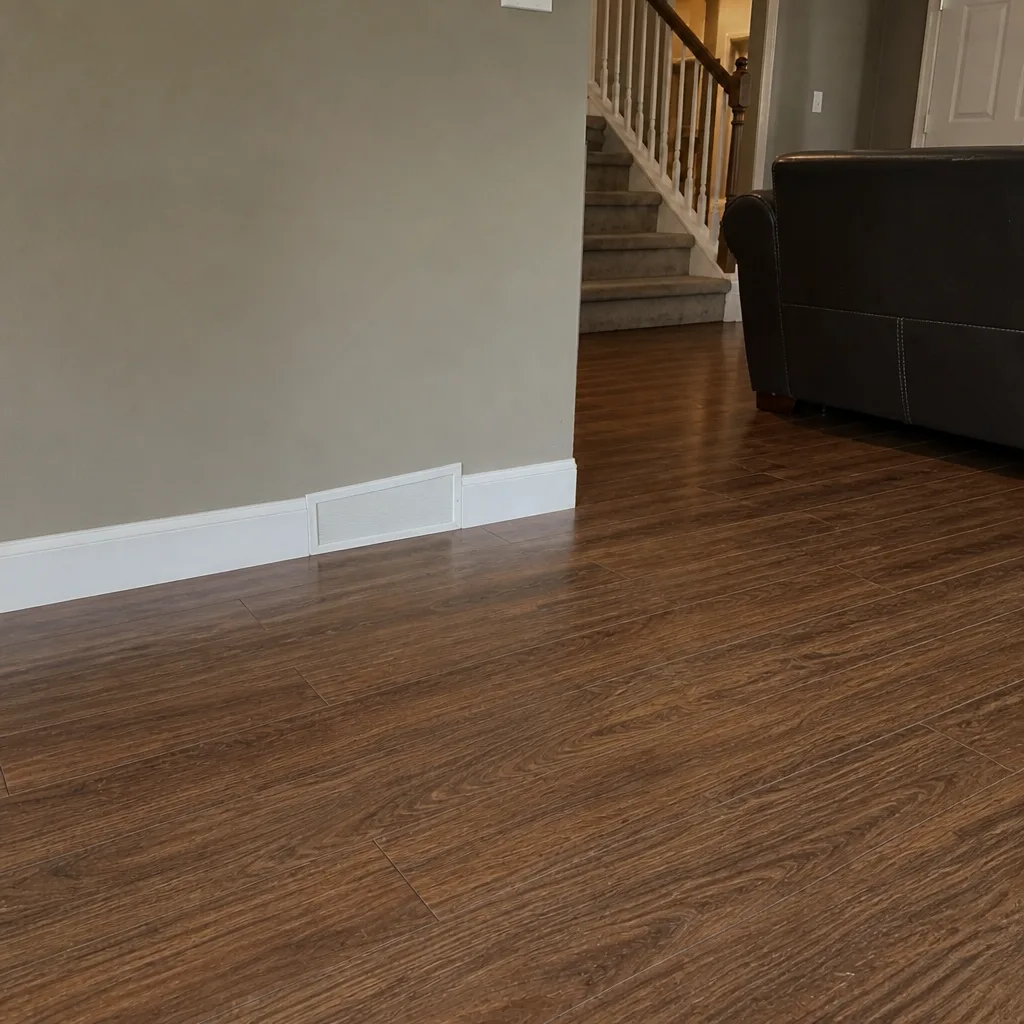 After
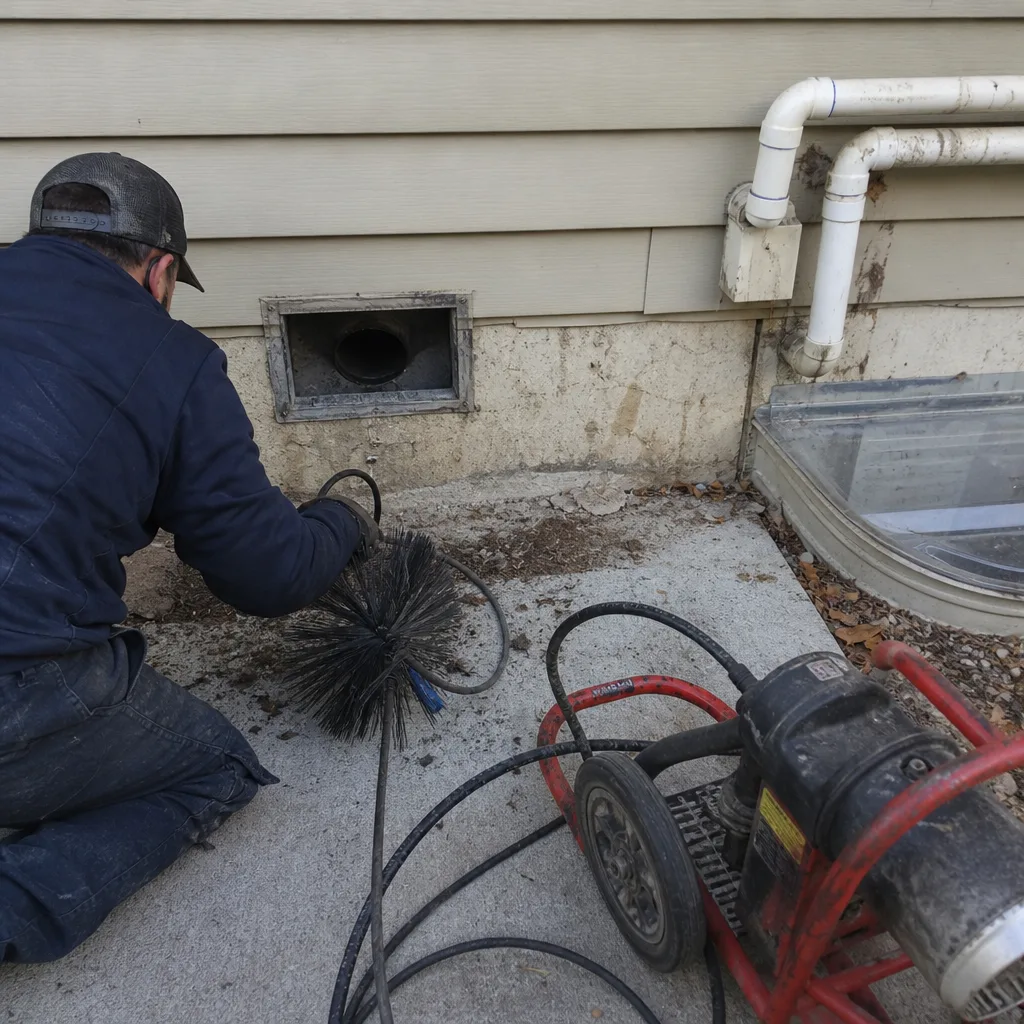 Before
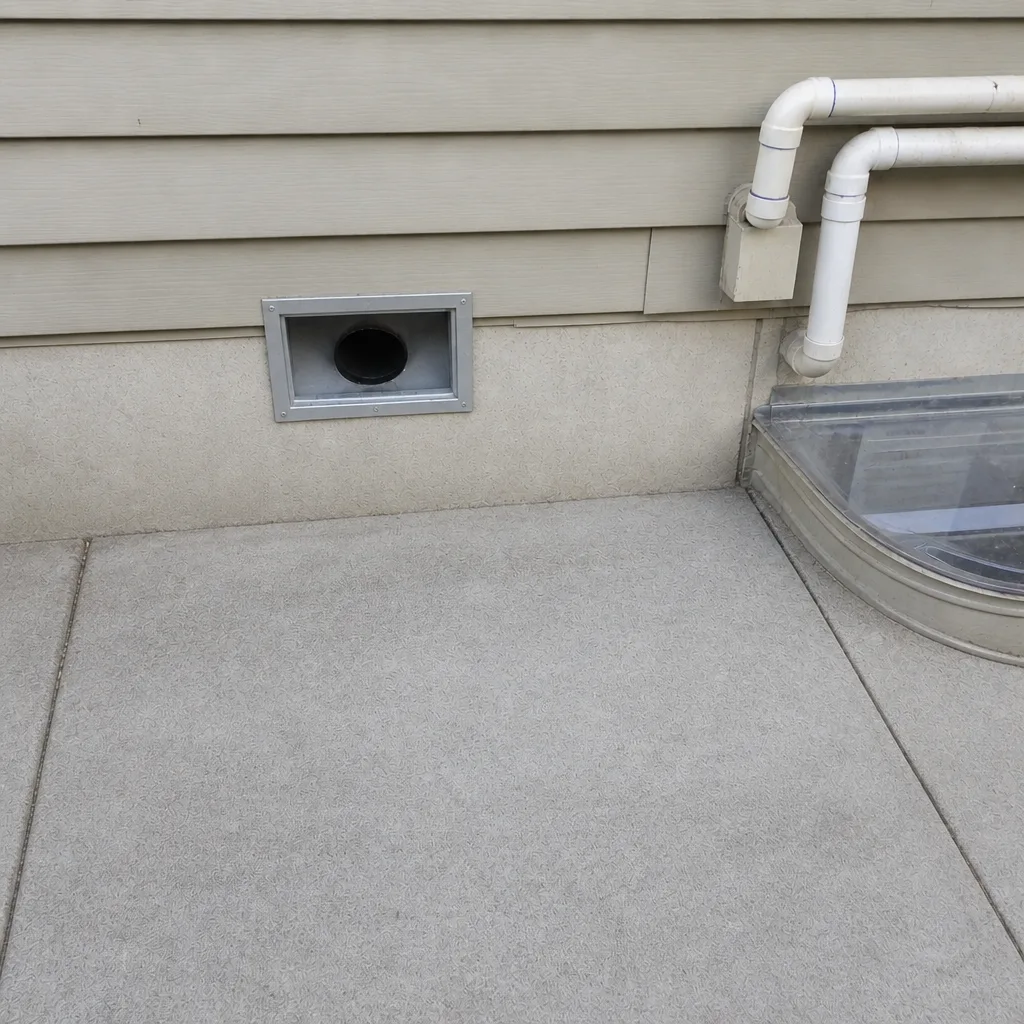 After
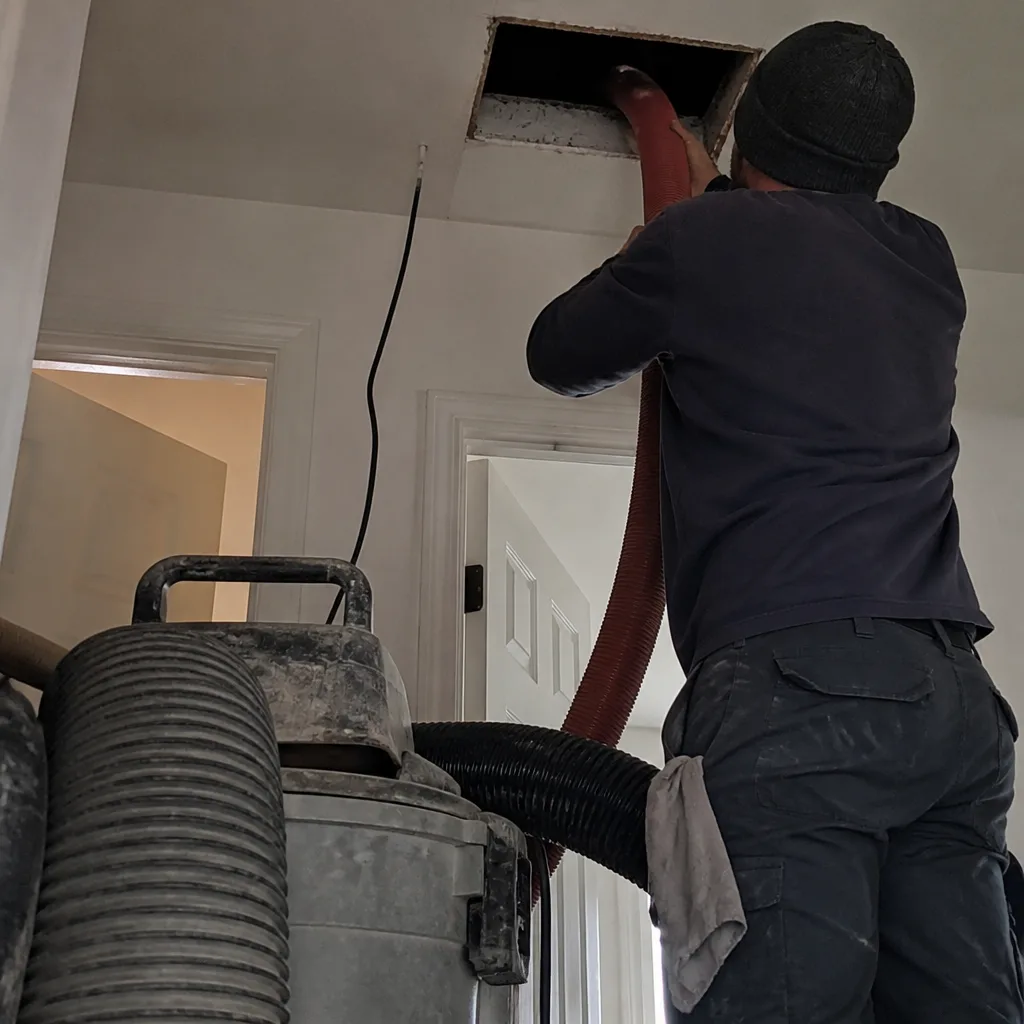 Before
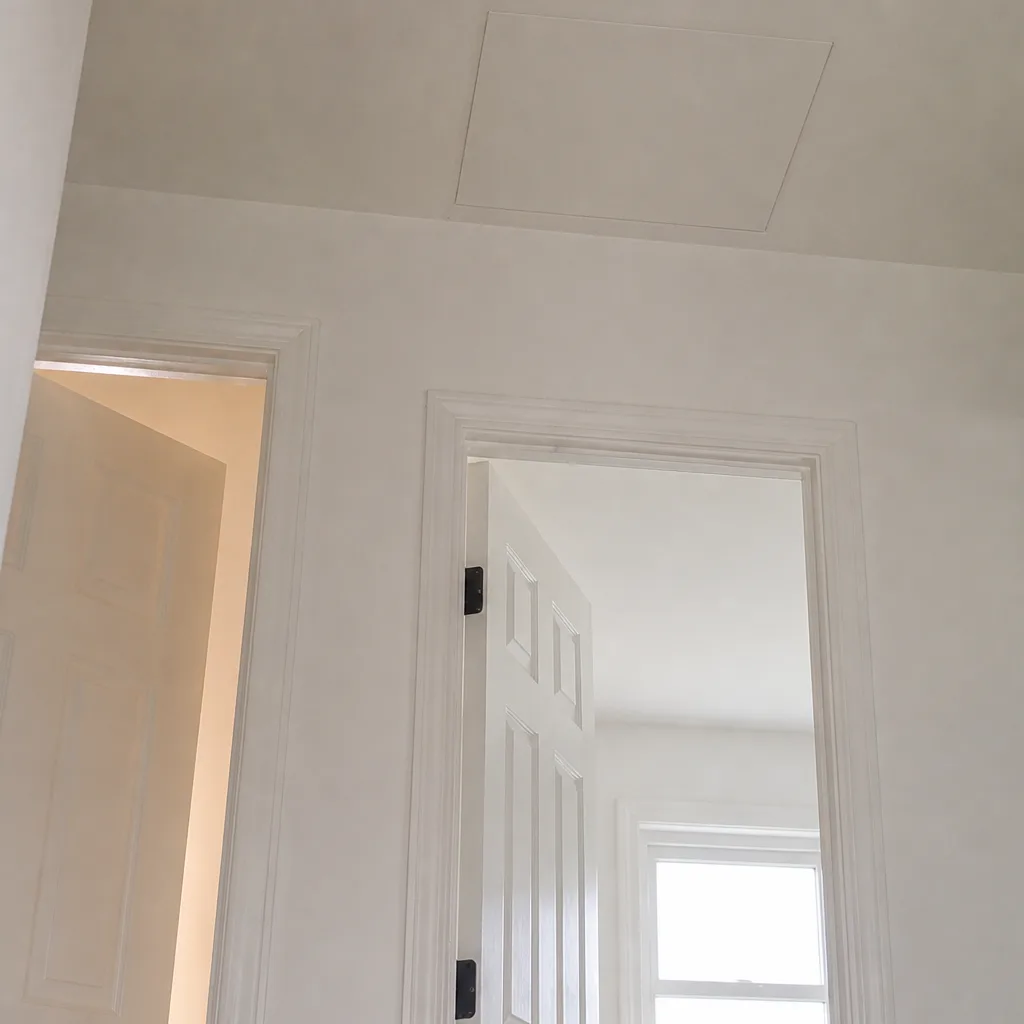 After