
Last updated November 23, 2026
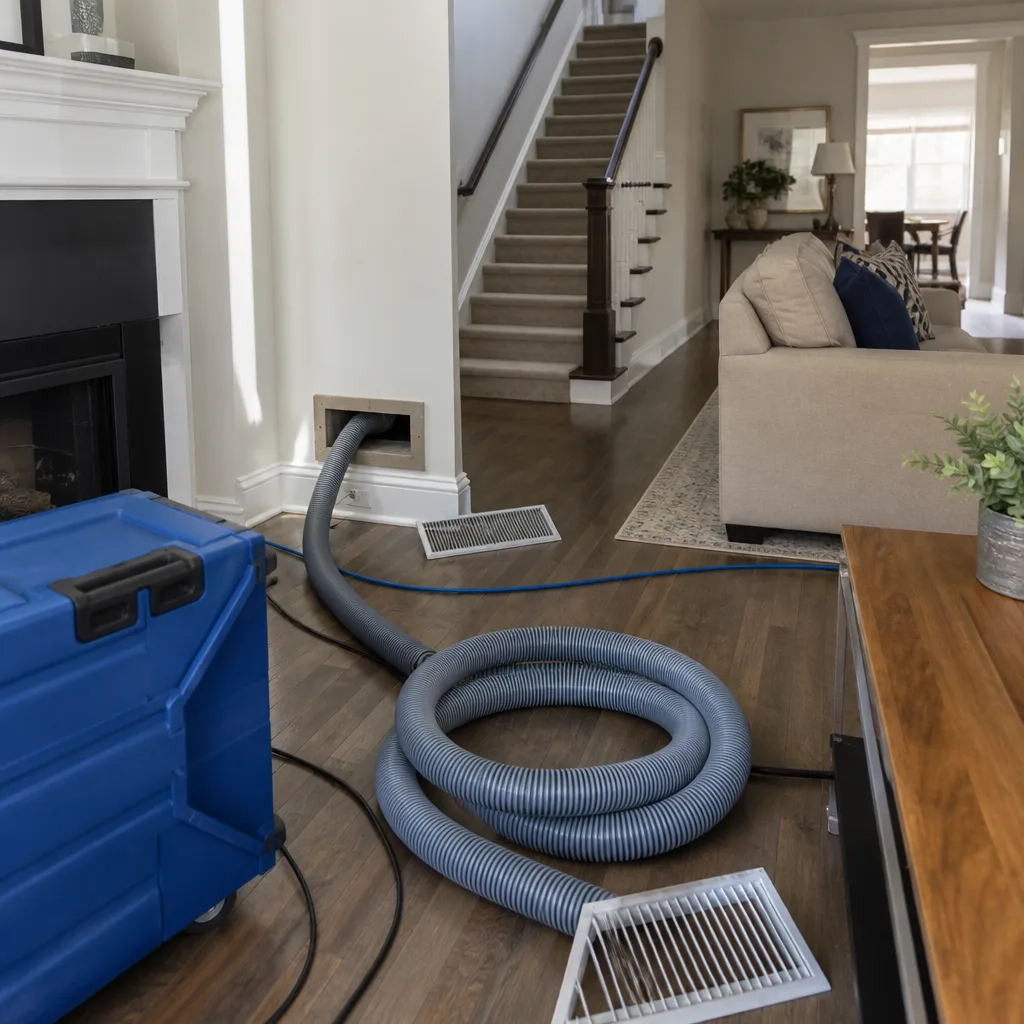 Whole-home duct cleaning
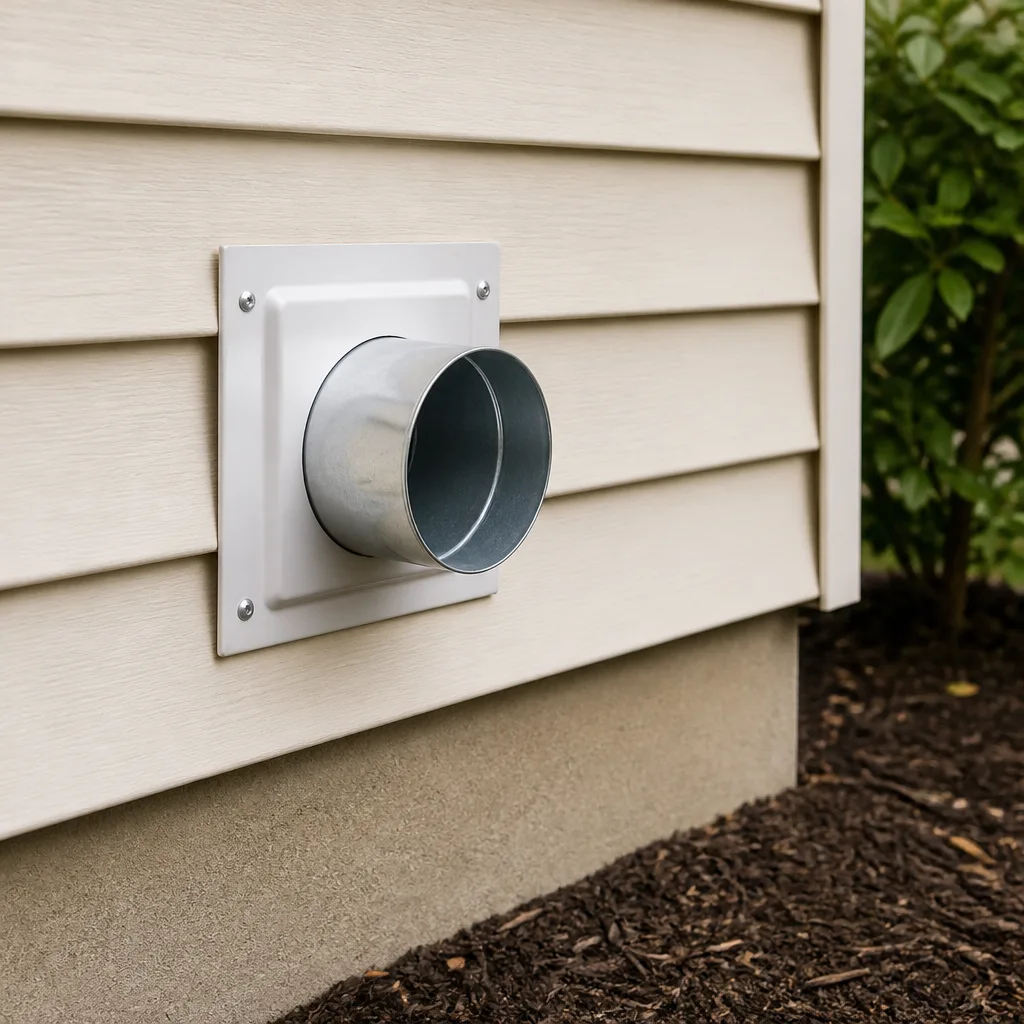 Dryer vent cleaning
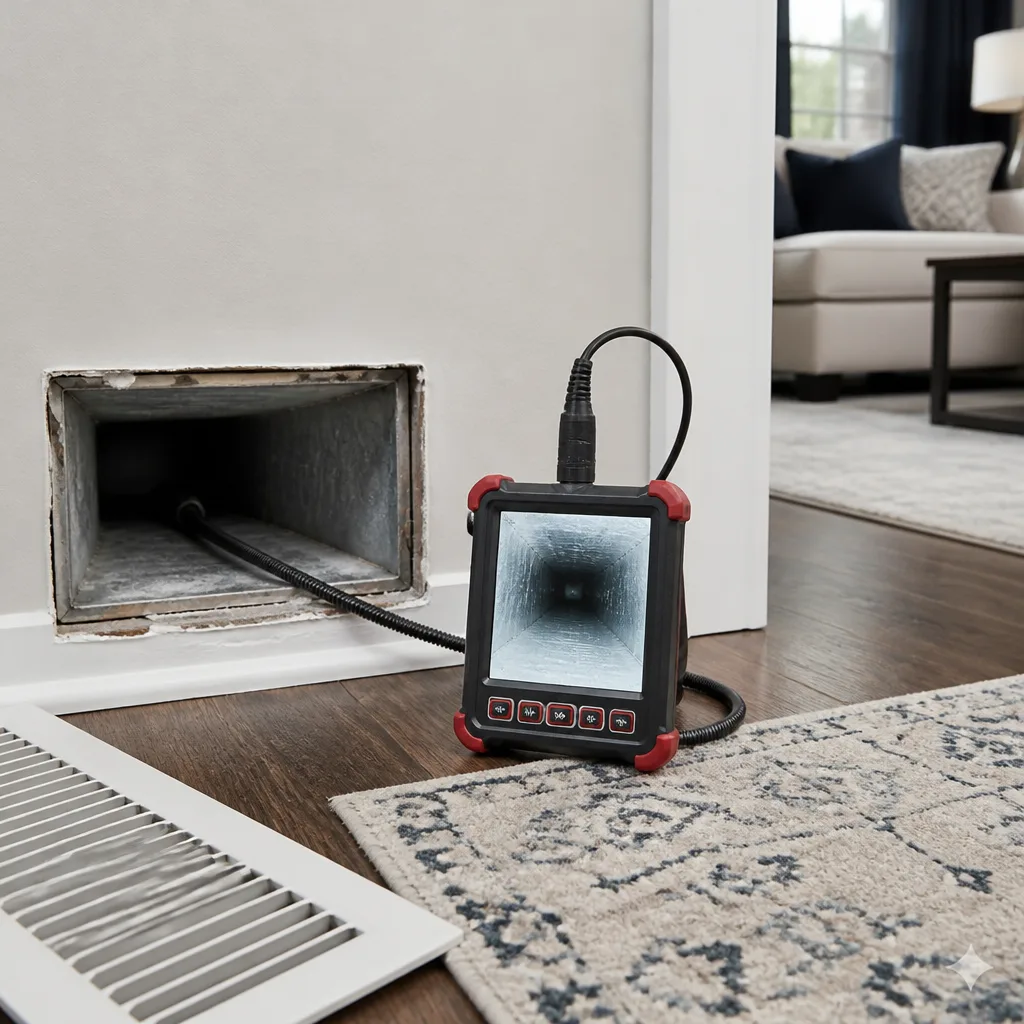 Camera inspection
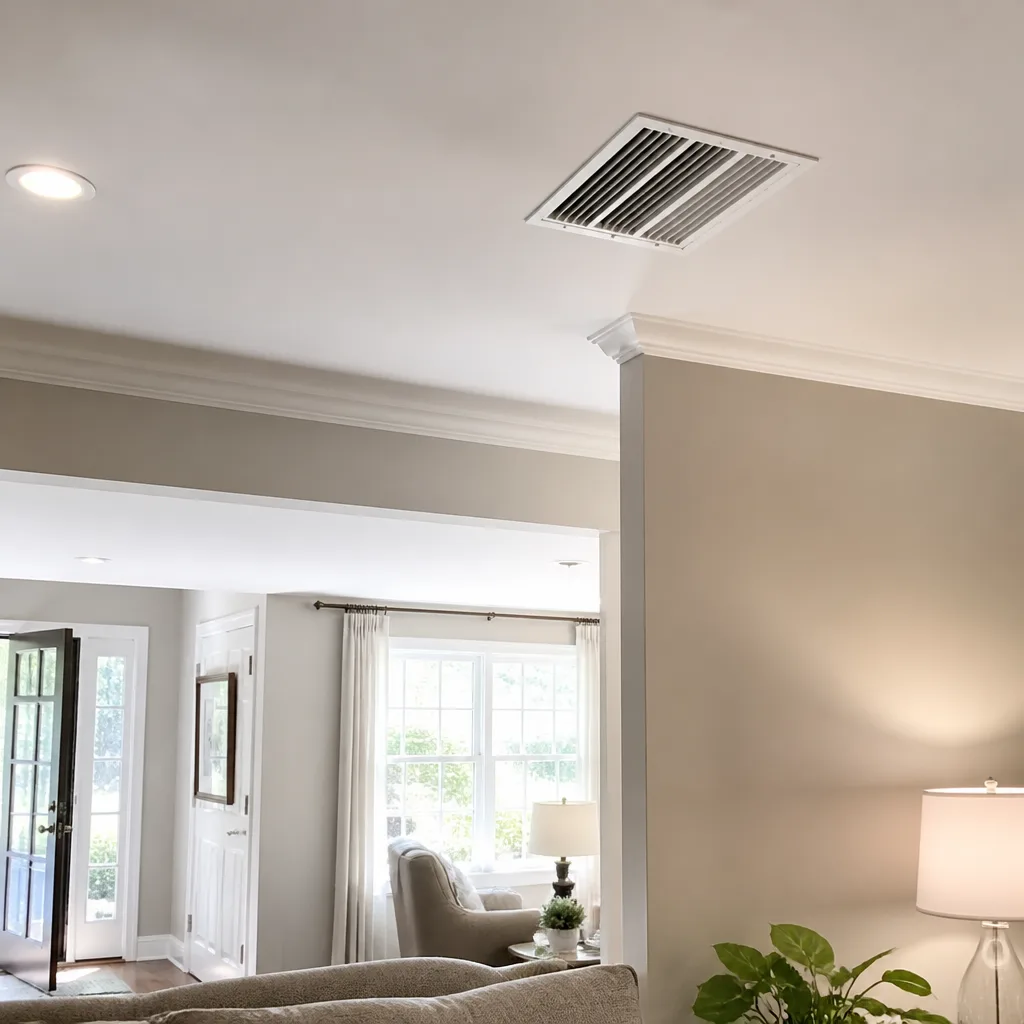 Sanitizing & deodorizing
Whole-system duct and dryer vent check with before-and-after photos - you see exactly what came out of your vents
That "$99 whole-house special" is a bait ad - the real number appears once they are in your hallway, or the "clean" is a shop-vac at the register. We photograph the inside of your ducts before and after instead.
Air Duct Cleaning Permits, Codes & Inspections in Herriman, UT: What You Need to Know
Here’s the counterintuitive part: cleaning your air ducts in Herriman requires no permit at all. The moment a technician seals, reroutes, replaces or resizes a run of ductwork, the job can cross into territory that Utah’s mechanical code treats as a modification, and modifications often need a permit and an inspection. Most homeowners never hear that distinction until a home inspector raises it during a sale. This guide walks through which duct services need a permit, how Herriman City’s building department handles HVAC inspections, how to verify a contractor through the Utah Division of Occupational and Professional Licensing, and why aerosol duct sealing sits in a gray zone worth asking about.
Quick Answer
In Herriman, routine air duct cleaning does not require a permit. Duct repair, sealing that changes a system’s designed airflow path, resizing, rerouting, or installing UV and filtration equipment typically does require a mechanical permit and inspection under the Utah Mechanical Code, and Salt Lake County building code treats any duct alteration that changes the designed airflow path as a threshold worth permitting. Ask your contractor which side of that line the work falls on before anyone starts.
Styles & brands we work with
- Whole-home duct cleaning
- Dryer vent cleaning
- Camera inspection
- Sanitizing & deodorizing
Table of Contents
- Cleaning vs. Modification: Where Utah Code Draws the Line
- How Herriman City Handles HVAC Inspections
- Aerosol Duct Sealing and Utah’s Gray Zone
- The Resale Problem: Unpermitted Duct Work on a Home Inspection
- Verifying a Contractor Through Utah DOPL
- New Construction Dust and Warranty Inspections in Herriman
- How Herriman’s Climate Affects Ductwork and Sealing
- What an HVAC Inspection Actually Covers
Cleaning vs. Modification: Where Utah Code Draws the Line
This is the single most useful distinction in this whole guide, and it’s the one homeowners ask about least. Cleaning removes debris from inside a duct system without altering its shape, size, routing or connections. Modification changes one of those things. Utah adopts the International Mechanical Code as its base for mechanical work, and that base code cares about alterations that affect how a system moves air. A duct that’s cleaned is the same duct afterward. A duct that’s rerouted, resized or sealed at a joint that changes static pressure is a different system, and the code wants a paper trail on it.
Here’s the practical breakdown of common services and where they usually land:
- Air duct cleaning: no permit. Removing dust, debris and construction residue from existing ductwork doesn’t alter the system’s design.
- Dryer vent cleaning: no permit. Clearing lint from an existing vent is maintenance, not construction.
- HVAC cleaning (coils, blower, cabinet): no permit. Cleaning components inside the air handler is upkeep.
- Duct repair and joint sealing: mixed. Reattaching a fallen flex run or taping a leaking joint is commonly treated as repair. Replacing a length of duct or sealing in a way that measurably changes airflow gets closer to modification and may require a permit.
- Adding, resizing or rerouting duct runs: permit required. This is a mechanical alteration by any reading of the code.
- UV purification, whole-home filtration and bypass humidifier installs: sometimes permit required, depending on how the equipment ties into the air handler and electrical. Honeywell and Aprilaire systems generally mount on or near the return plenum, and any install that penetrates the mechanical system’s cabinet or adds electrical load is often permitted.
In our experience in Herriman, most duct work falls cleanly into the cleaning category, which is why we tell homeowners up front that a straight air duct cleaning visit is a no-permit job. The confusion arrives when repair gets bundled in and nobody asks the permit question until later. Ask it early. It’s a two-minute conversation and it saves a real headache at resale.
How Herriman City Handles HVAC Inspections
Herriman City’s building department operates under Salt Lake County’s broader building code framework. That means most permit applications and inspection requests route through the county rather than a standalone city HVAC inspections office. When a mechanical permit is pulled, the workflow is standard for Utah: apply, submit plans if required, complete the work, request the inspection, and pass it before the permit is closed. What triggers a required inspection is the issuance of the permit itself. If a permit exists for duct modification or equipment install, an inspection is required. If no permit exists, no inspection is scheduled unless a homeowner requests one voluntarily.
Voluntary inspections are worth knowing about. A homeowner who suspects unpermitted duct modifications from a prior owner can request a mechanical inspection directly through the county, and the inspector will look at the same things a permitted inspection would cover. It costs less than discovering the issue at closing.
Herriman’s housing stock adds a wrinkle worth naming. Much of the city was built in the last two decades, and newer subdivisions mean tighter homes with less natural air leakage, which puts more emphasis on duct integrity. When a duct system is tighter and more enclosed, a joint that pops loose has a proportionally larger effect on how the house feels. That’s a mechanical-code concern, not a comfort preference, and it’s a good reason to know whether your last duct job was permitted.
One thing that surprises people: the code doesn’t care who did the work. A permitted modification done by an unlicensed handyman and a permitted modification done by a licensed mechanical contractor both trigger the same inspection. Permits and inspections are about the work, not the person. Licensing is a separate track, covered further down.
Aerosol Duct Sealing and Utah’s Gray Zone
Aerosol duct sealing products inject a fog of sealant particles into the duct system, and where those particles find leaks they build up and close them. The product category is legitimate, and commercial contractors have used it for years. The reason it’s a gray zone under Utah code is that the technique seals the entire system at once rather than addressing specific, identified joint failures. That makes it hard to file under “repair of existing duct” and hard to file under “new installation of duct.” It sits in between, and different jurisdictions have handled that ambiguity differently.
What you should ask, as a homeowner, before any aerosol sealing job:
- Ask whether a permit is being pulled. If the contractor says no, ask why not in writing. Some jobs genuinely don’t need one. Some do, and the contractor should be able to explain which and why.
- Ask for the sealant’s safety data sheet. Aerosol sealants are applied inside your home’s ducting. You should know what’s in the fog and what the manufacturer’s re-occupancy guidance says.
- Ask what pre-sealing cleaning is included. Sealing over debris traps it. A proper aerosol job starts with duct cleaning; if the contractor skips that step and quotes a low price, the job isn’t being done right.
- Ask for before-and-after airflow or pressure readings. Aerosol sealing changes static pressure inside the system. Measurable results are the point. If the contractor can’t produce them, they can’t verify the work.
- Ask for the manufacturer’s training certificate for the technician applying the product. Aerosol sealants require manufacturer certification in most cases. A contractor who can’t show that isn’t equipped to run the equipment.
We don’t recommend treating aerosol sealing as off-limits. It solves real problems, particularly in older systems with small distributed leaks. The point is to be a homeowner who asks the disclosure questions, because the resale consequences of an unpermitted sealing job are the same as any other unpermitted mechanical modification.
The Resale Problem: Unpermitted Duct Work on a Home Inspection
Home inspectors in Herriman and the broader Salt Lake Valley are trained to flag mechanical systems, including ductwork. Unpermitted modification doesn’t always jump out visually, but certain patterns raise a flag: new duct runs that don’t show up on any permit history the inspector can pull, sealed joints that look recent and inconsistent with the rest of the system’s age, equipment mounted to the air handler that wasn’t there when the mechanical permit was last recorded. Once flagged, a buyer’s agent typically asks for documentation. If documentation doesn’t exist, the seller’s options narrow to requesting a voluntary inspection, correcting the work, or negotiating on price.
Practically, the three outcomes of a flagged duct modification at resale are:
- Documentation exists and matches the work: no problem, closing proceeds.
- No documentation, work looks sound: buyer’s agent asks for a voluntary inspection or a credit. Sometimes resolved by negotiating.
- No documentation, work doesn’t look sound: buyer’s agent asks for correction before closing or a price reduction that reflects redone work.
If you’re selling a Herriman home and you’ve had duct work done beyond routine cleaning, the simplest thing to do is gather the permit records now. Records are public through the county. If the work was permitted, the record exists. If it wasn’t, finding out early is far better than finding out during a buyer’s due diligence period. We’ve talked with homeowners who learned during closing that a repair from years earlier had never been permitted. Working through it after the fact is possible. Working through it before a sale is easier.
This is also why we emphasize written scope on duct repair. When we do air duct repair and sealing work, the written report identifies what was sealed, what was replaced, and what classification the work falls under. That document matters at resale far more than any invoice.
Verifying a Contractor Through Utah DOPL
Permits and licensing are different questions. A permit is about the work. A license is about whether the person doing the work is legally allowed to. In Utah, mechanical contractors and the technicians who perform mechanical work beyond routine cleaning are licensed through the Utah Division of Occupational and Professional Licensing, known as DOPL. Duct cleaning itself is generally treated as cleaning and doesn’t require a mechanical contractor’s license. Duct modification, equipment installation, gas-related work and anything else that touches the system’s design does.
Verifying a contractor takes about four minutes if you do it properly:
- Ask for the company’s DOPL number and the license classification that covers the work being quoted.
- Look up the number on the DOPL license verification tool on the Utah DOPL website. It’s public and free.
- Check the expiration date. An expired license isn’t a license for the current job.
- Check the classification against the work. A contractor licensed for general building work isn’t automatically licensed for mechanical work.
- Ask for the Certificate of Insurance separately. Licensing and insurance are two different proofs, and both matter.
When you’re hiring for a routine air duct cleaning, licensing matters less. When the scope includes modification, equipment install or HVAC cleaning that involves opening the air handler, licensing matters a great deal. Ask the question, verify the answer, and don’t accept a verbal assurance as a substitute for the DOPL lookup. The professionals we connect Herriman homeowners with are licensed and insured as Utah requires, and we expect the same of anyone else they consider. If a contractor resists the license question, that’s your answer.
New Construction Dust and Warranty Inspections in Herriman
Large portions of Herriman were built recently, and new builds share a pattern: construction dust lands in duct systems during the build phase and stays there after move-in. Drywall dust, sawdust, insulation fibers and job-site debris get pulled into the return ducts while trades are still working. That material doesn’t clear on its own. It coats the inside of the ducts and the blower wheel, and it does so during a period when the builder’s warranty on the mechanical systems is still active.
Here’s where permits come back in. When a builder installs ductwork during construction, the mechanical permit covers the initial install and is inspected before the home is signed off. If a homeowner hires someone to clean or seal the ducts afterward, that new work is a separate transaction with a separate permit question. Cleaning doesn’t require one. Post-construction duct sealing may, depending on scope.
For new construction, the practical guidance is:
- Get the ducts cleaned once the construction dust settles, usually after final cleaning but before you have significant furnishings. Waiting a year means the dust has already cycled through the system and the blower.
- Ask the builder for the mechanical permit number tied to the original install. It should exist and be on file.
- Avoid book any modification work until the builder’s warranty period has ended unless the builder is involved in the decision. Modifying a system under warranty can complicate claims.
- Check the warranty language on filters before installing a higher-MERV filter or a post-cleaning filtration system like an Aprilaire unit. Some builder warranties limit equipment changes.
We use Rotobrush and Nikro equipment for new-construction duct cleaning because the source-removal contact and vacuum power are built for this specific job. A shop vac on a hose doesn’t clear construction debris from a duct run. Professional equipment does.
How Herriman’s Climate Affects Ductwork and Sealing
Utah’s high-desert climate creates a specific set of conditions for duct systems. Summers are hot and dry, winters are cold with real snow, and the seasonal swing between the two is wide. That swing matters because ductwork expands and contracts with temperature. Sealed joints take the stress. Taped joints fail faster in homes that see the full range of summer-to-winter temperature than they do in milder climates. Dry air also carries more static charge, and that charge pulls fine dust toward duct walls.
What this means in practice:
- Duct sealing quality matters more here than in humid climates, because the thermal swing is bigger and joints that leak in winter often leak differently in summer.
- Dust accumulation is heavier because the air is dry and static attracts fine particles. Routine cleaning intervals run shorter here than in coastal climates.
- Dryer vent cleaning is not optional in this climate. Dry heat and lint are a combination worth taking seriously. Book dryer vent cleaning on a regular schedule, not only when the dryer feels slow.
- Whole-home humidification makes sense here, and Aprilaire bypass and fan-powered units are the common installs. They mount on the supply plenum and often require a mechanical permit because they tie into the duct system and, in some cases, the electrical.
Herriman’s elevation and dry air also affect how quickly duct cleaning debris redistributes after a job. Clean ducts in a dry climate stay clean longer if the system is sealed properly. A cleaning without a sealing and repair pass leaves a leaky system that pulls dust back in faster. That’s why we treat air duct repair and sealing as part of the same conversation as cleaning, not a separate service sold later.
What an HVAC Inspection Actually Covers
If a Herriman homeowner requests a mechanical inspection, whether through a permit or voluntarily, the inspector is looking for code compliance of the mechanical system, not cleanliness. This matters: an inspection is not a duct cleaning audit and won’t tell you whether the ducts are dirty. It tells you whether the installation is legal and sound.
Here’s what an inspector typically checks:
- Duct sizing and routing against the approved plans. Duct runs must match what was permitted. Mismatches mean the modification wasn’t approved.
- Support and connection integrity. Ducts must be supported at required intervals and connected in a workmanlike way. Disconnected or unsupported runs are a fail.
- Sealing at penetrations. Where ducts pass through walls, floors and the cabinet, they must be sealed to code.
- Combustion air and venting for gas appliances. If a gas furnace is present, its venting is part of the inspection.
- Electrical connections at the air handler. Equipment installed with improper electrical terminations is a fail.
- Clearances to combustibles. Clearances around the furnace and ductwork are measured.
What an inspection does not cover: dust levels, microbial growth, or whether the previous cleaning job was thorough. Those are separate questions. If you want to know whether the ducts are actually clean, the answer comes from a cleaning contractor who documents the work with before-and-after photos. That’s the one audit an inspection can’t give you.
We photograph the interior of the ducts before and after every cleaning for exactly this reason. It’s the only proof of the work that stands on its own, separate from any inspection report.
Common Mistakes to Avoid
- Assuming all duct work is permit-free because cleaning is. Cleaning requires no permit. Modification may. Treat the two as separate questions or you’ll end up treating every duct job as if it were cleaning.
- Accepting a verbal scope on duct repair. Repair classification is where permit questions live. Get the scope in writing, including whether the work is classed as repair or modification and why.
- Skipping the DOPL lookup because the contractor seems professional. Every contractor seems professional on the phone. The DOPL database doesn’t care how the call went.
- Letting an unpermitted modification sit. It shows up at resale, and the buyer’s agent asks for documentation that doesn’t exist. Address it while you own the home, not while you’re selling it.
- Approving aerosol sealing without disclosure. Aerosol sealants are legitimate and useful, but ask the questions listed earlier and get the answers in writing. A contractor who can’t disclose what they’re injecting into your ducts isn’t ready for the job.
- Hiring a generalist with a vacuum for new-construction duct cleaning. Construction dust needs source-removal equipment with real vacuum power. Consumer-grade tools move the dust around rather than out.
- Ignoring the dryer vent because it’s “just lint.” In a dry Utah climate, the lint load and the dry heat are a combination worth scheduling on a calendar rather than waiting for a symptom.
See the difference
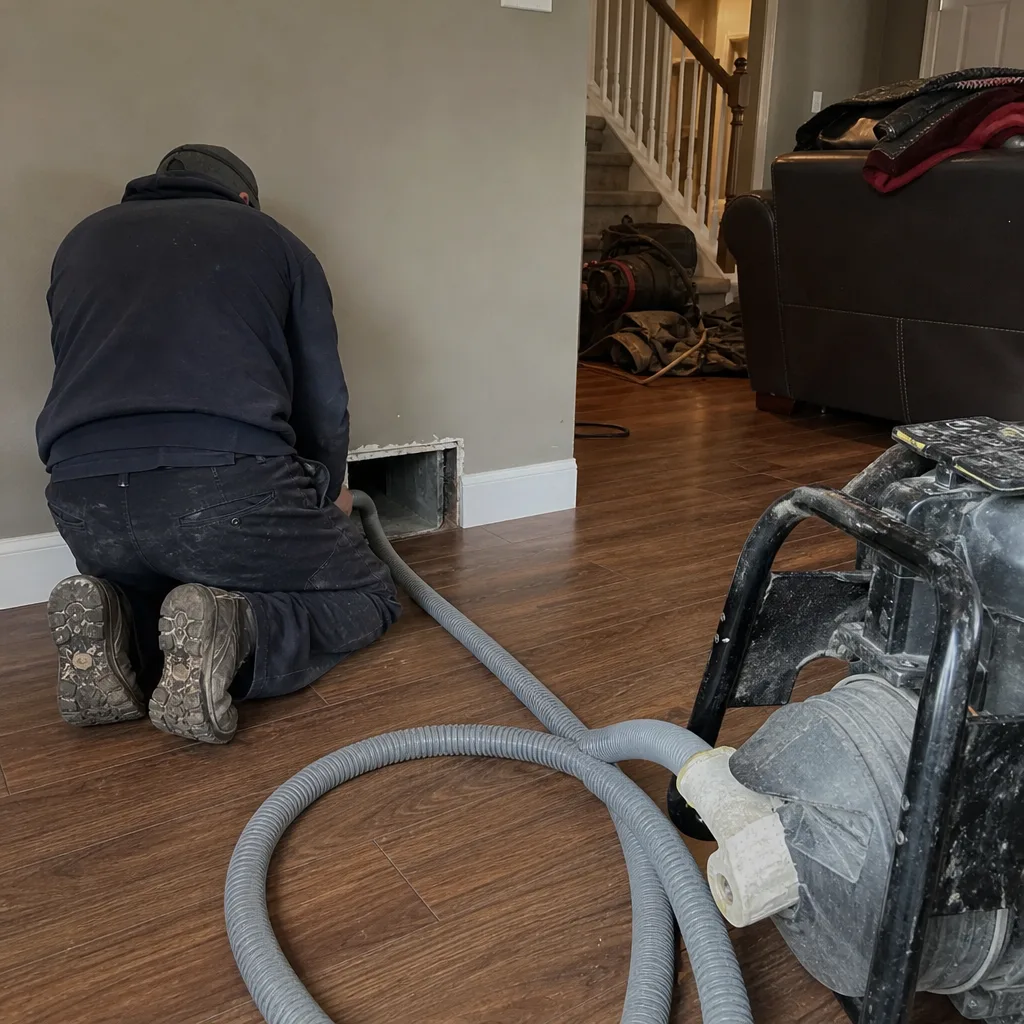 Before
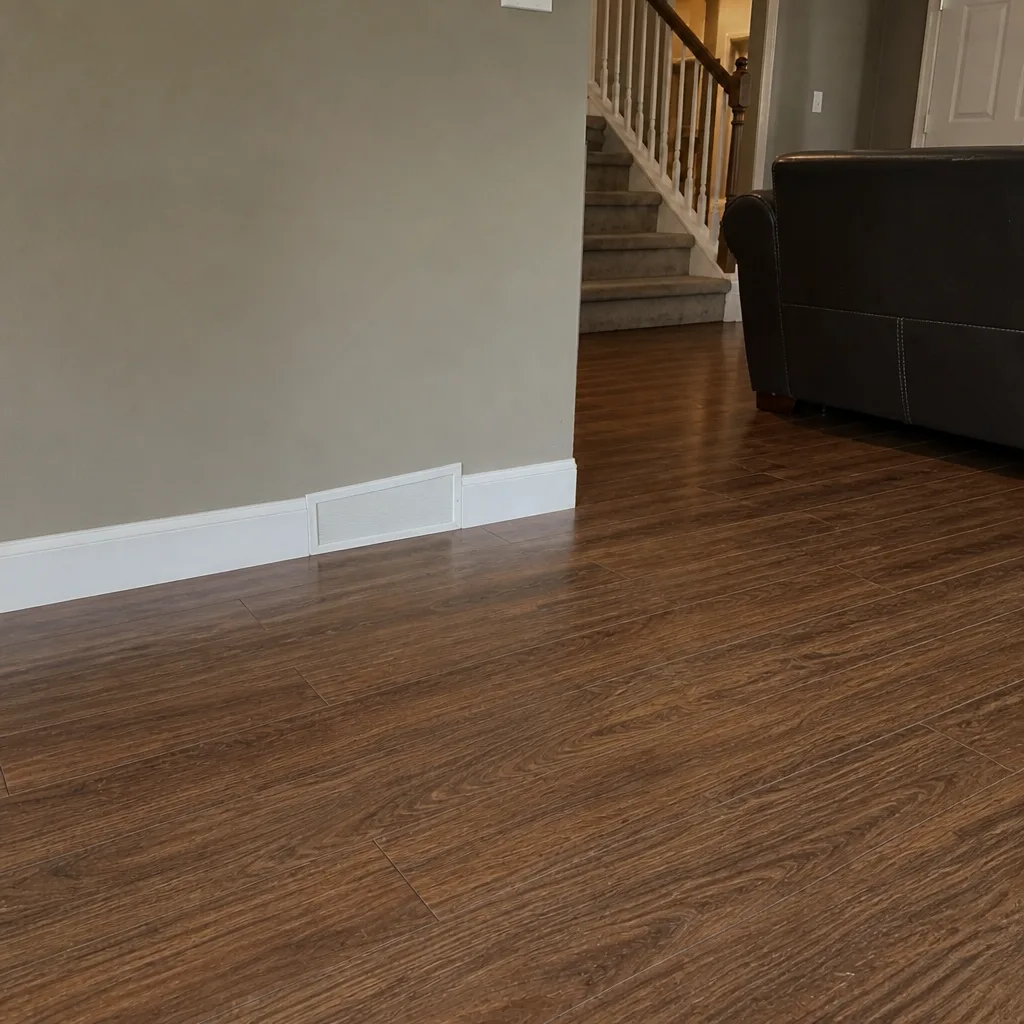 After
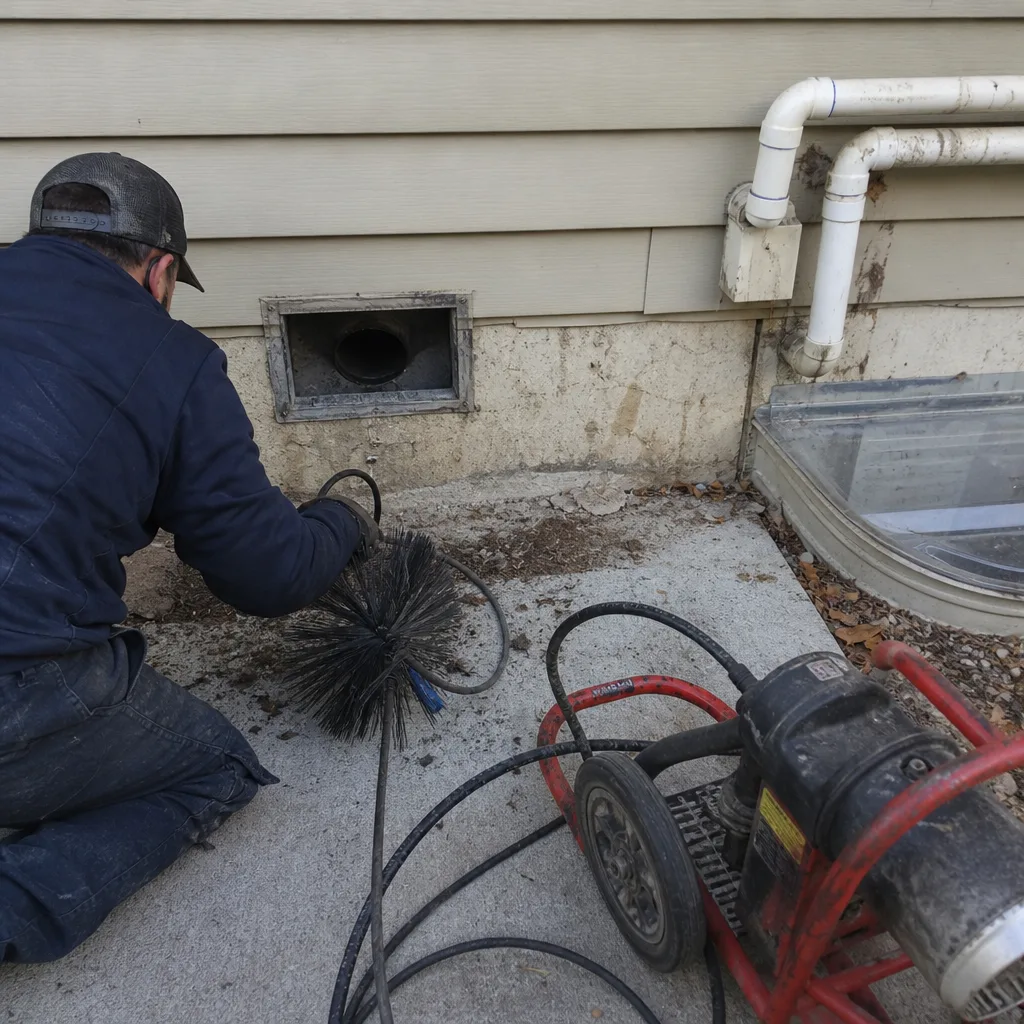 Before
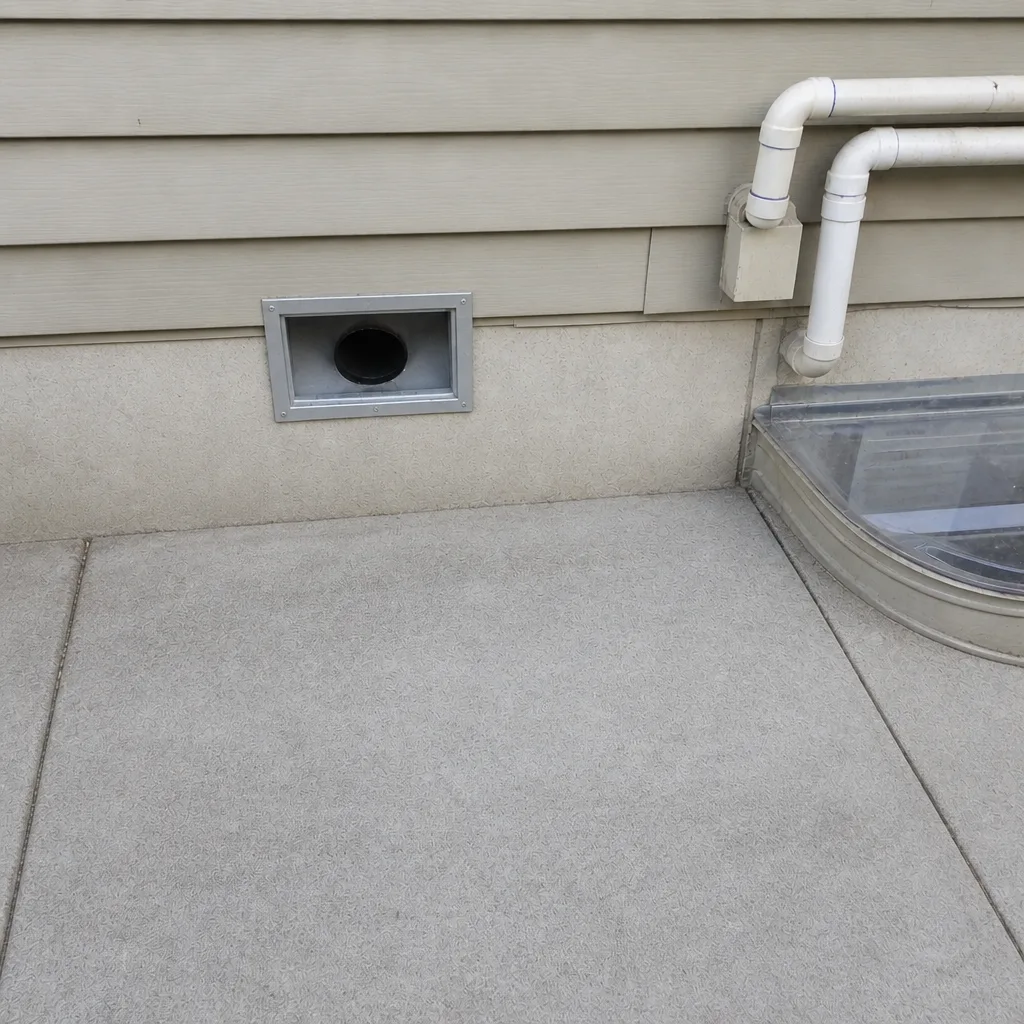 After
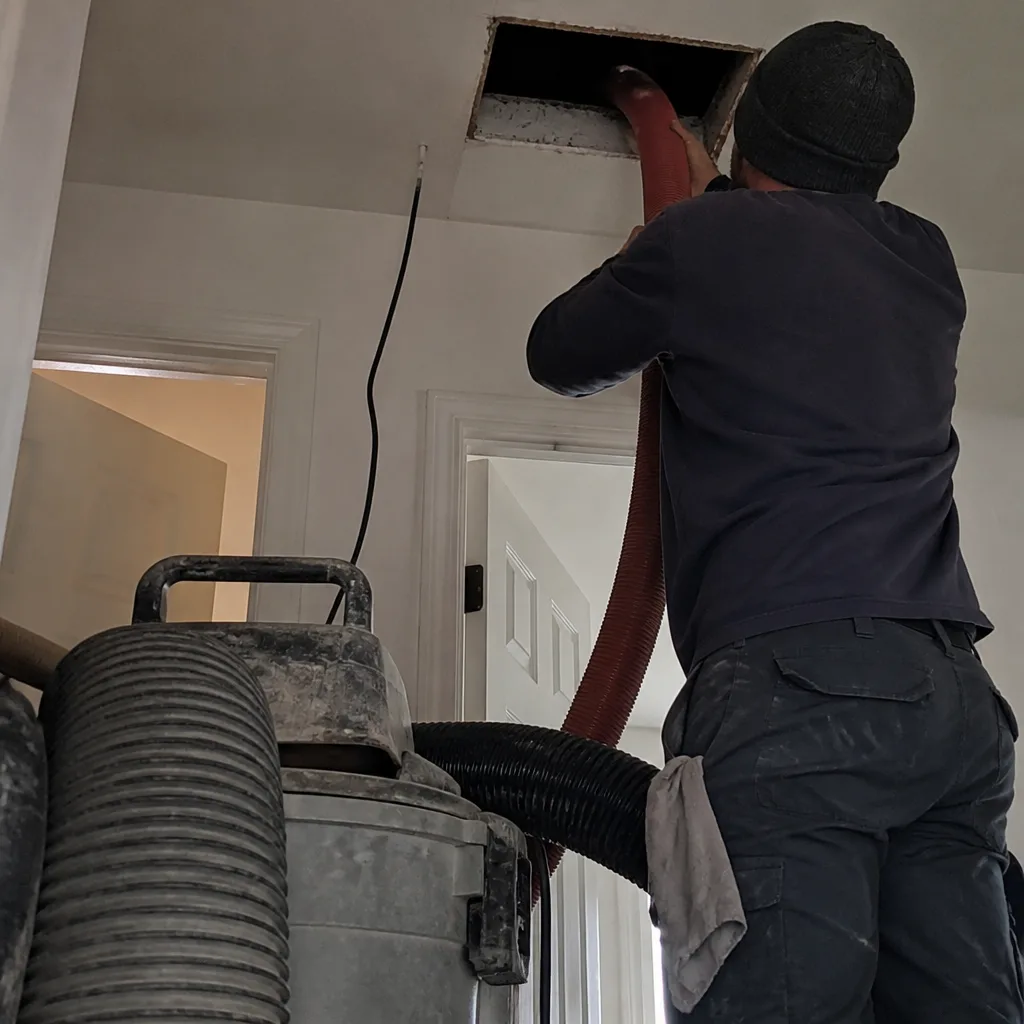 Before
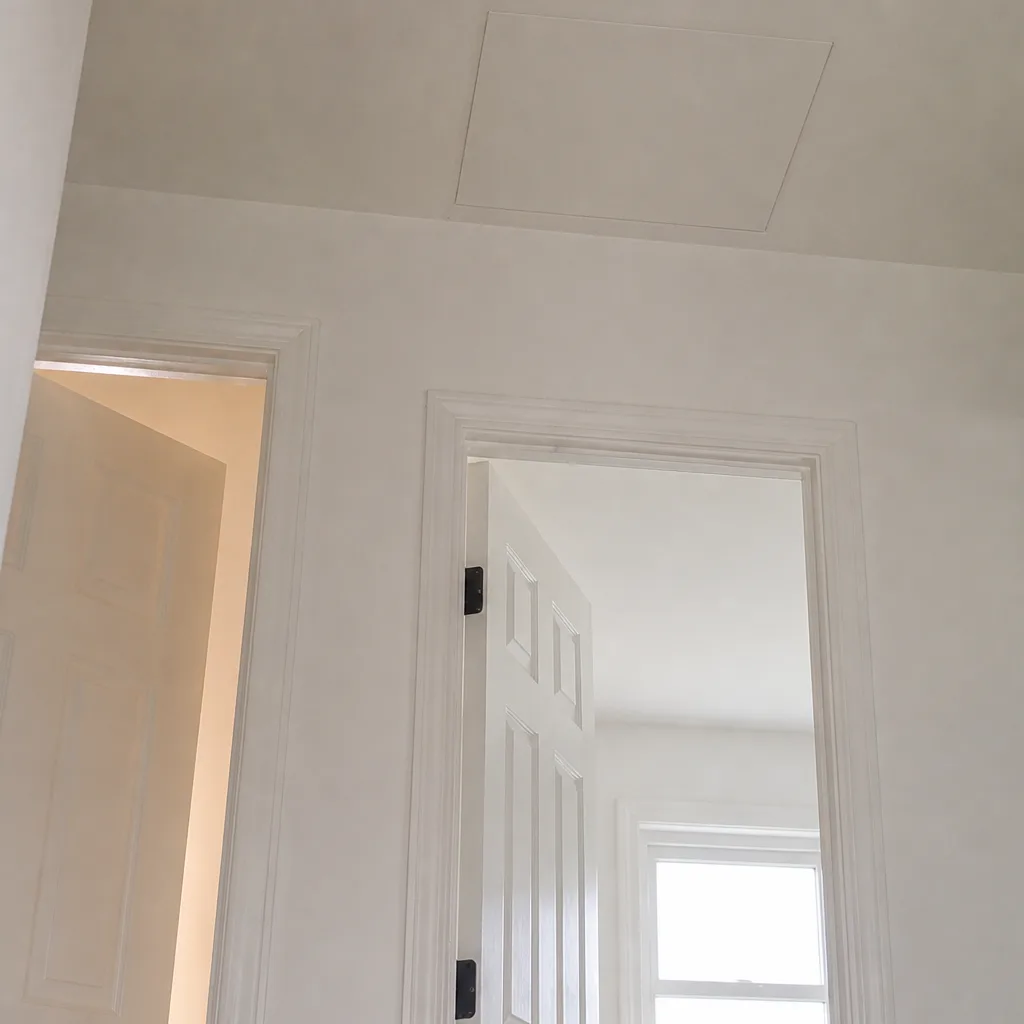 After
When to Call a Professional
Call a professional when the work crosses from cleaning into modification, when you suspect unpermitted duct work in a home you’re buying or selling, when you’ve had significant construction dust or a renovation, or when a dryer vent hasn’t been cleaned on any regular schedule. Also call if the duct system looks visually intact but the home feels oddly pressurized or under-delivered on airflow. Those aren’t DIY questions. They need equipment that can measure airflow and equipment that can clear the duct interior, and those aren’t the same tools. Herriman Air Duct Cleaning offers free estimates in Herriman. Call (844) 625-7619. We answer 24/7. Fast dispatch from 7am to 7pm, Sunday through Friday.
Frequently Asked Questions
No. Air duct cleaning doesn’t require a permit in Herriman or anywhere in Utah, because cleaning removes debris from existing ductwork without altering the system’s design. Permit questions begin when the scope includes duct repair, sealing that changes airflow, resizing, rerouting or equipment installation. If the quote includes anything beyond cleaning, ask which classification the work falls under. Call (844) 625-7619 for an exact quote on your specific scope. Estimates are free.
Sometimes. Sealing a leaking joint on an existing duct is commonly treated as repair and doesn’t require a permit. Sealing that changes the system’s designed airflow path, or an aerosol sealing job that treats the entire system, sits closer to modification, and Salt Lake County building code treats duct alteration that changes the designed airflow path as a threshold worth permitting. Ask the contractor to state in writing which classification applies and why. Call (844) 625-7619 with the scope and we can tell you which side of the line your job sits on.
Ask for the company’s DOPL number and license classification, then verify it on the Utah Division of Occupational and Professional Licensing website. The lookup is public and free. Check the expiration date and confirm the classification covers the work being quoted. Mechanical contractors and the technicians performing mechanical work beyond routine cleaning are the ones licensed for it. Cleaning itself doesn’t require a mechanical license. Call (844) 625-7619 if you want to talk through what license classification a specific job requires.
Often, yes. Home inspectors flag mechanical systems, and a duct modification that has no permit record shows up as a documentation gap when the buyer’s agent pulls permit history. The three outcomes are usually: documentation exists and matches, work looks sound and the buyer negotiates, or work doesn’t look sound and the seller must correct or credit. Gather permit records before listing, not during closing. Call (844) 625-7619 if you need duct work documented properly for a future sale.
A mechanical inspection checks code compliance of the system, not cleanliness. That means duct sizing and routing against approved plans, support and connection integrity, sealing at penetrations, combustion air and venting for gas appliances, electrical terminations at the air handler, and clearances to combustibles. It does not check dust levels or whether a prior cleaning was thorough. Before-and-after photos are the only documentation that speaks to cleaning quality. Call (844) 625-7619 for a cleaning that comes with documented before-and-after photos.
More often than in humid climates because dry high-desert air carries static charge that pulls fine dust toward duct walls, and the accumulation happens faster. Most Herriman homes do well with cleaning every few years, and new-construction homes need a first cleaning after the build dust settles. If the system isn’t sealed, dust redistribution speeds up and the interval shortens. Call (844) 625-7619 and we’ll talk through the interval that fits your system. Estimates are free.
Cheaper quotes usually skip something: source removal, before-and-after documentation, sealing and repair pass, or proper equipment. A consumer shop vac and a hose move dust around without extracting it from the system. Professional-grade equipment like Rotobrush and Nikro systems, or Abatement Technologies vacuum gear for heavier contamination, costs more to run and costs more to quote. We work on one flat price per system agreed before the work starts, no per-vent pricing. Call (844) 625-7619 with the square footage and we’ll give you a real number.
The Bottom Line
The permits and codes picture in Herriman boils down to one distinction: cleaning doesn’t need a permit, modification sometimes does. That’s it. Everything else is asking the right questions. Ask whether your quote includes modification, ask for a written classification, ask for the DOPL number, and verify both before anyone starts. Ask your contractor to show you before-and-after photos of your own ducts. If you need work done, call (844) 625-7619. We answer 24/7. Fast dispatch from 7am to 7pm, Sunday through Friday. Estimates are free, and we’ll tell you honestly whether the job crosses into permit territory before we start.
Written by the team at Herriman Air Duct Cleaning.