
Last updated November 23, 2026
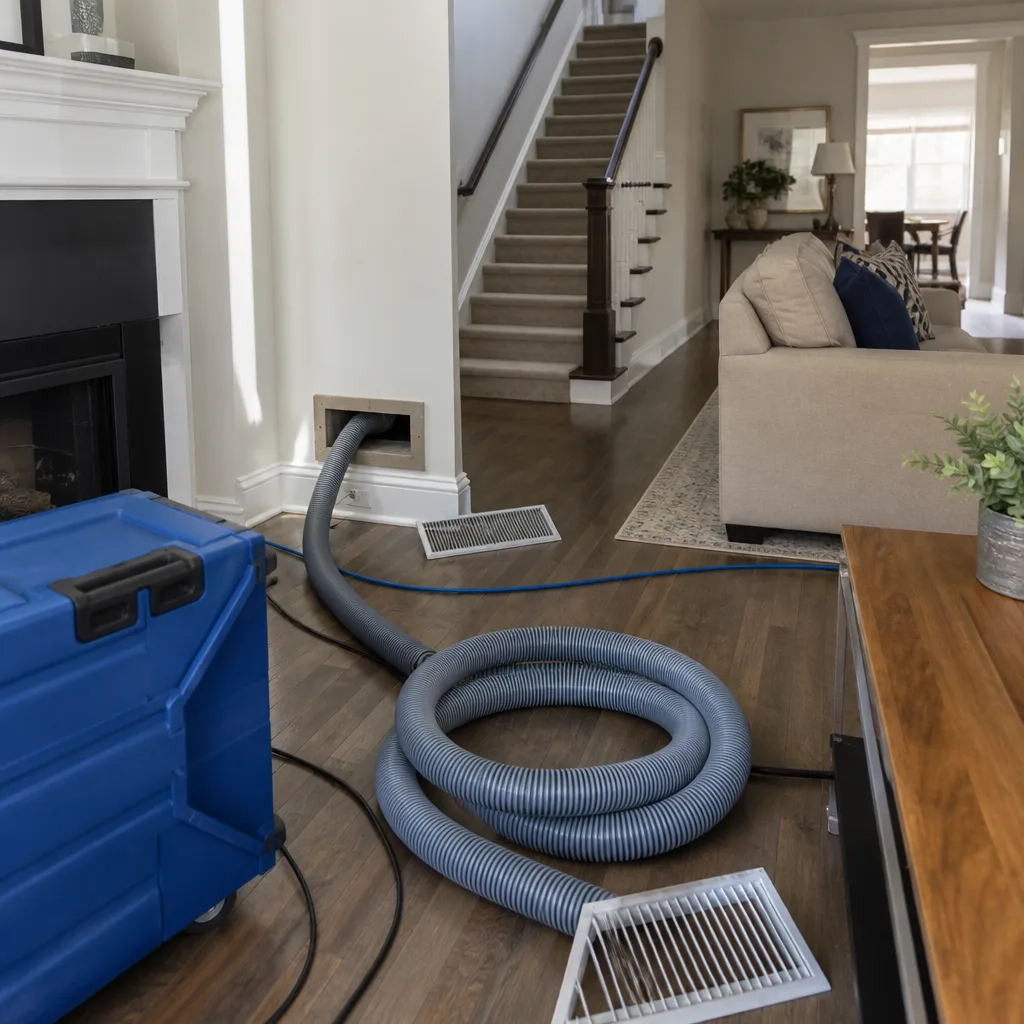 Whole-home duct cleaning
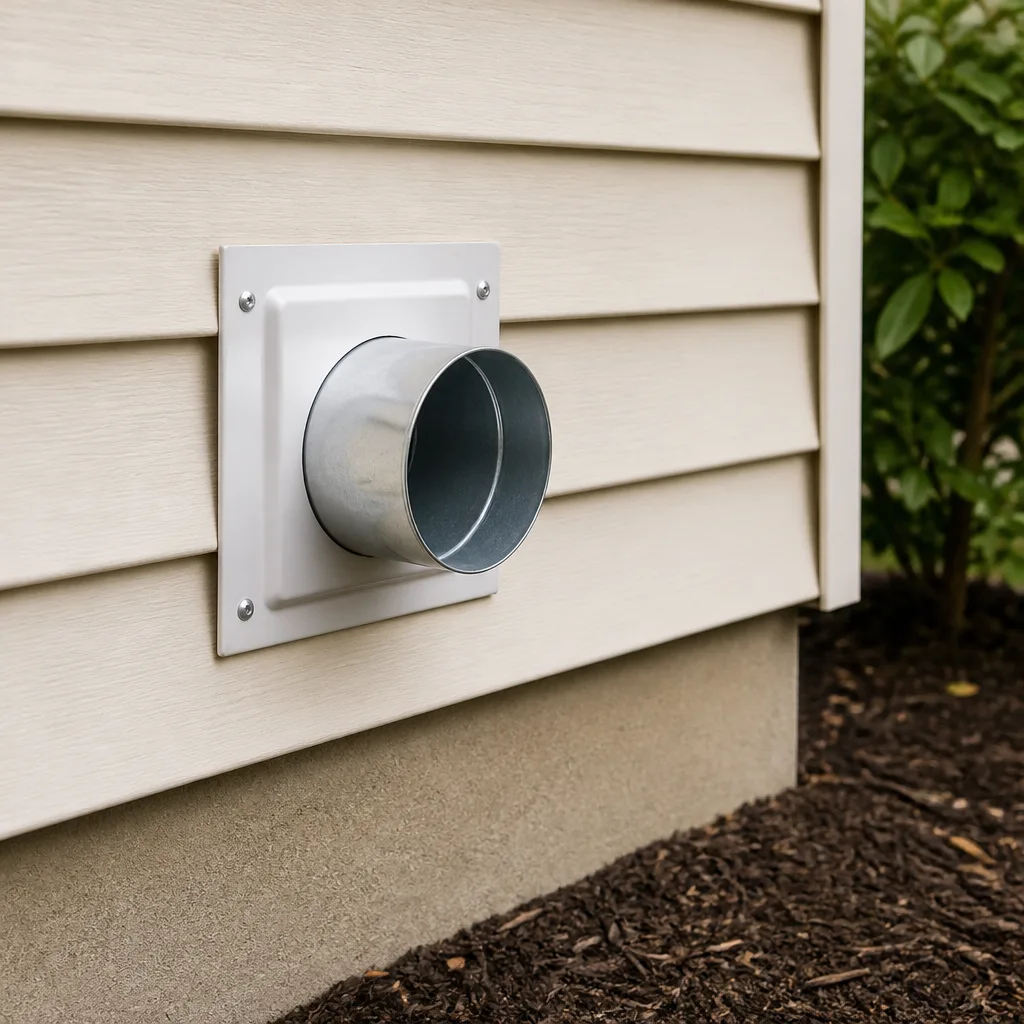 Dryer vent cleaning
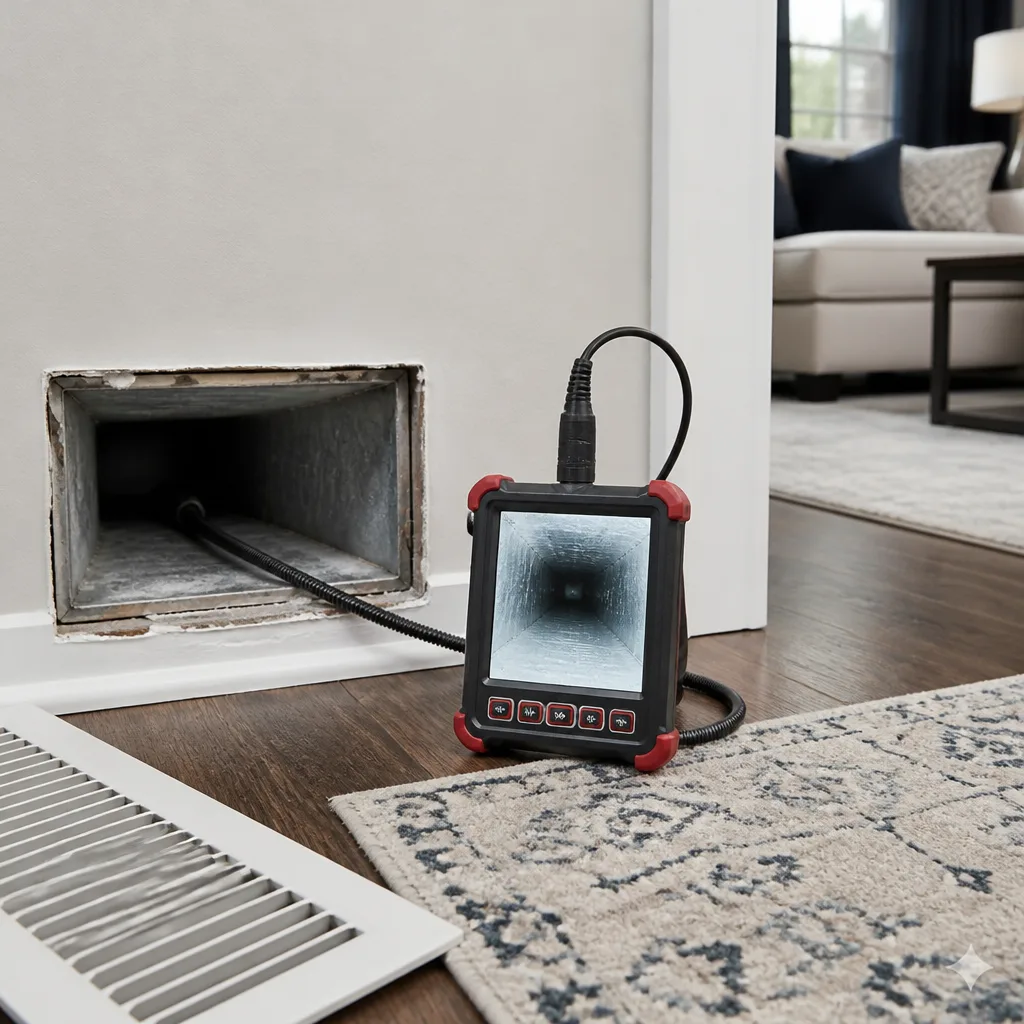 Camera inspection
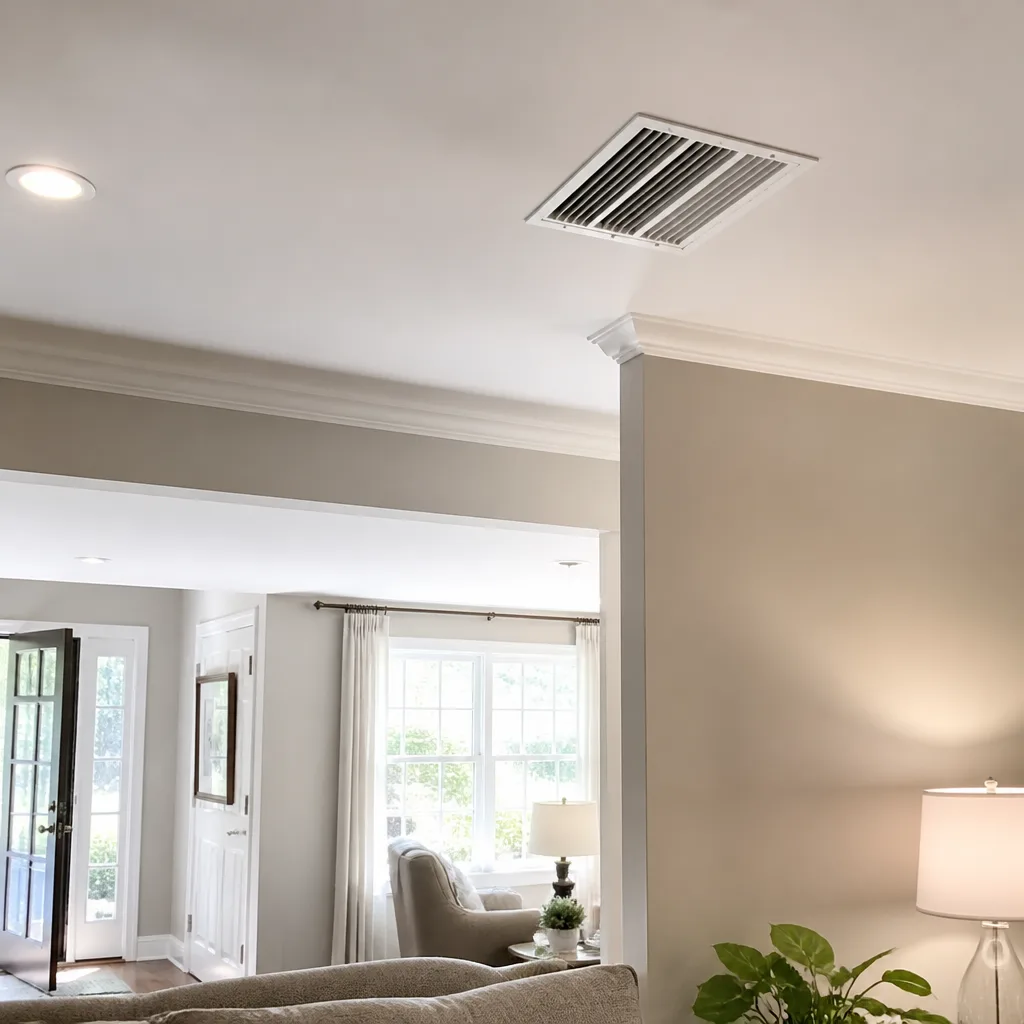 Sanitizing & deodorizing
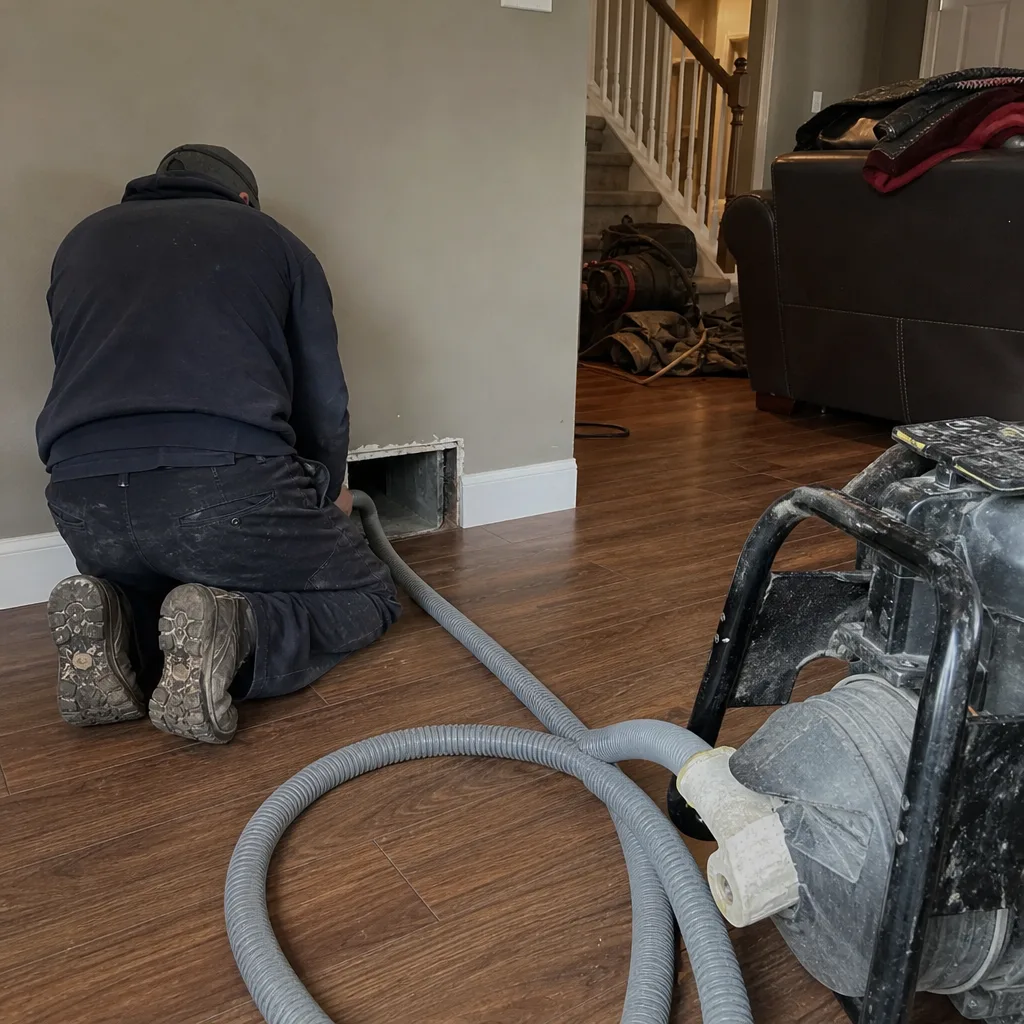
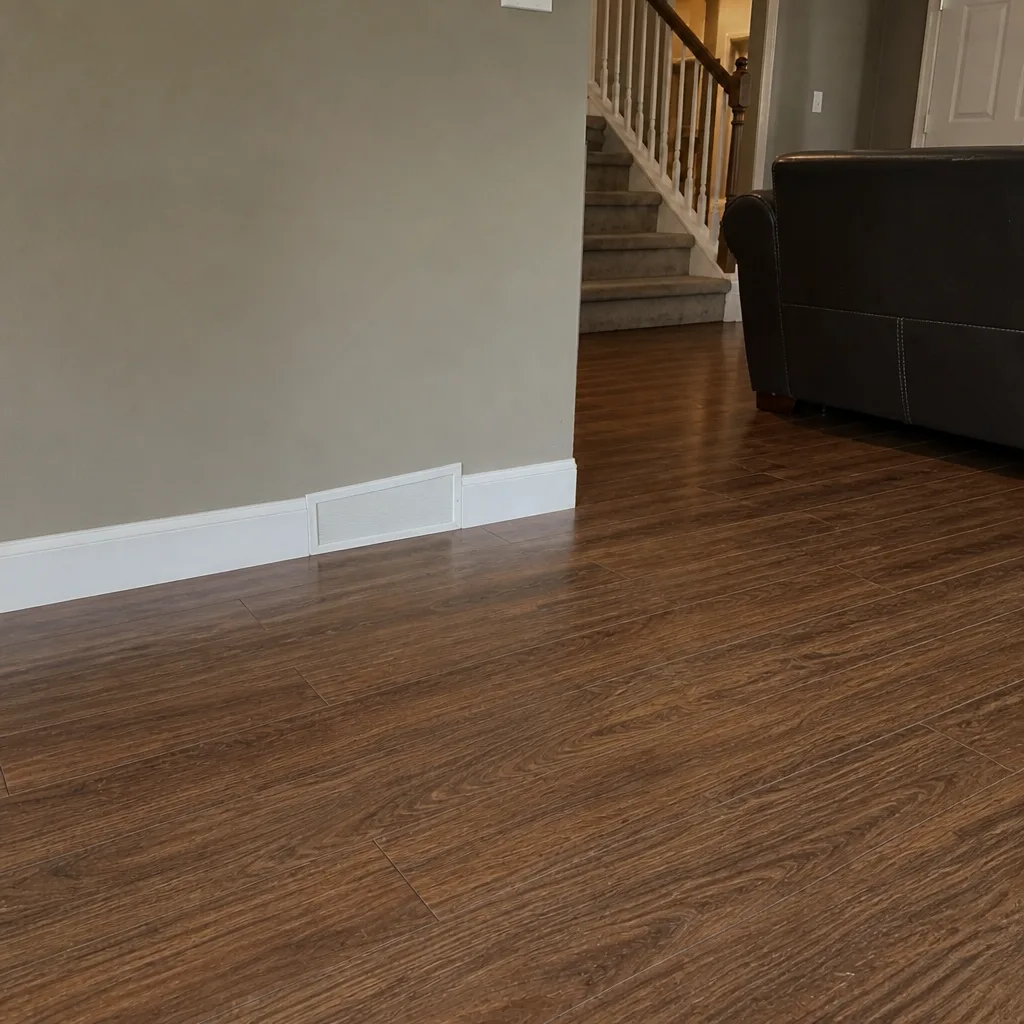
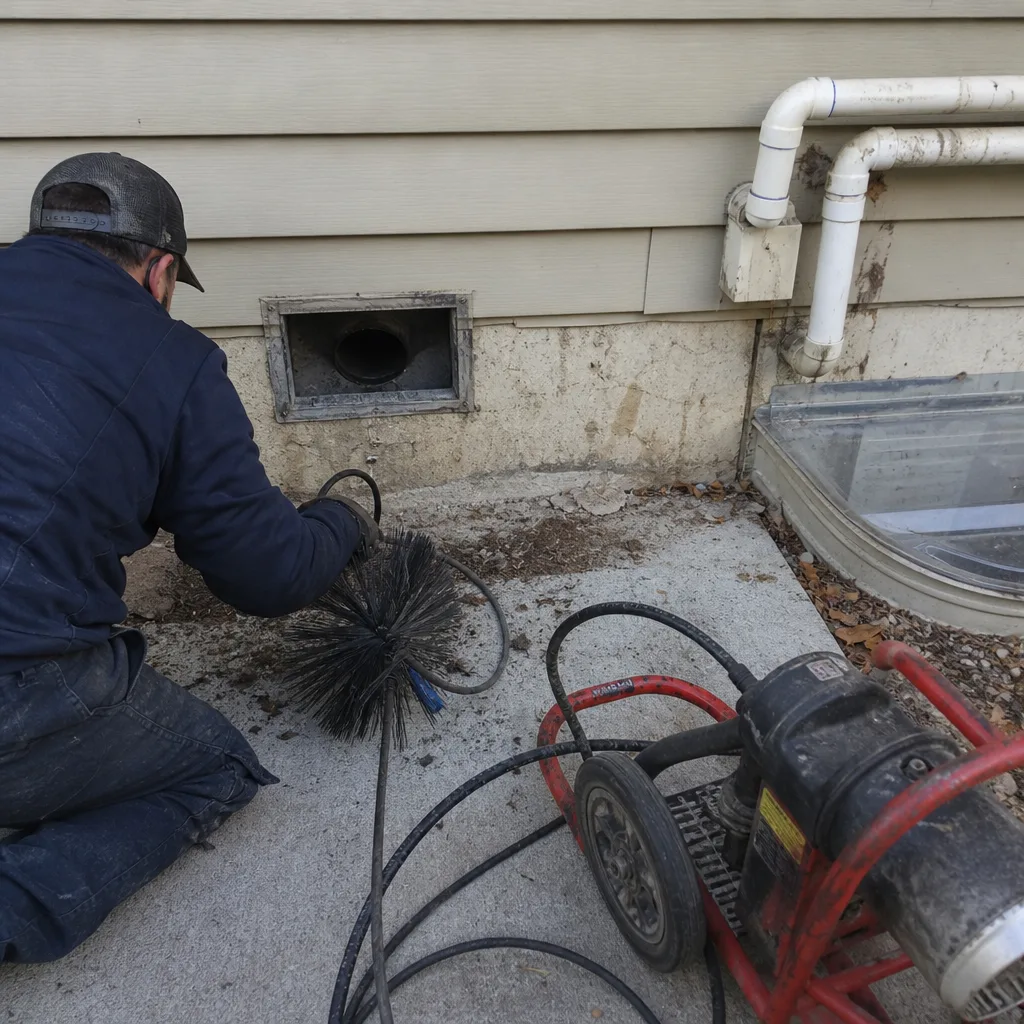
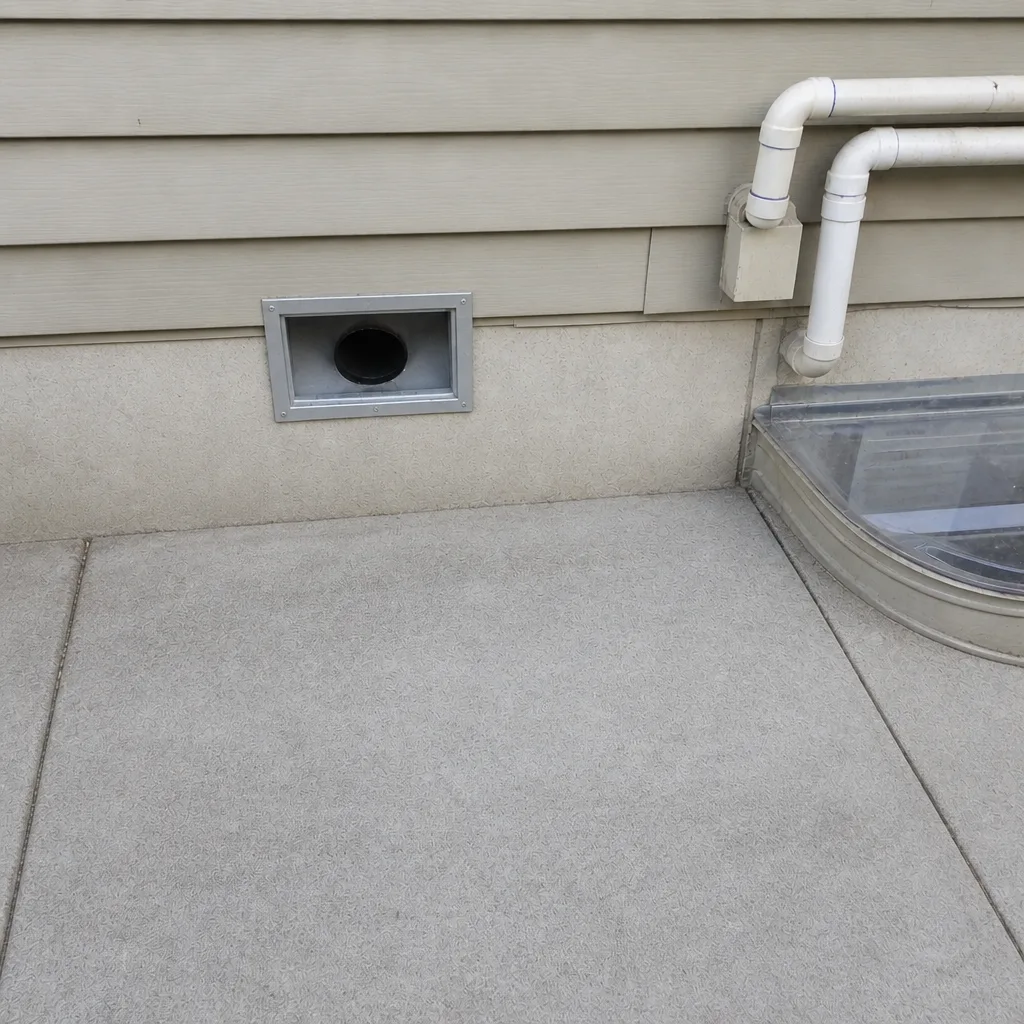
Whole-system duct and dryer vent check with before-and-after photos - you see exactly what came out of your vents
That "$99 whole-house special" is a bait ad - the real number appears once they are in your hallway, or the "clean" is a shop-vac at the register. We photograph the inside of your ducts before and after instead.
Air Duct Cleaning Troubleshooting in Herriman: Common Problems and How to Fix Them
Most people assume the dust on their ceiling fan and the weak airflow from the bedroom register are the same problem: dirty ducts. They usually aren’t. Weak airflow, recurring dust, and musty odors can each come from contamination, leakage, or a system that’s simply pushing against too much static pressure, and those three problems have almost nothing in common beyond their symptoms. Clean the ducts for a problem that was actually a disconnected return, and you’ve spent money without touching the cause. This guide is about reading your system’s actual signals first. It walks through what each symptom tends to mean in Herriman homes, which checks you can safely do yourself with a flashlight and your hand, and when a finding means cleaning alone won’t fix it.
Quick Answer
Air duct problems in Herriman usually fall into one of three buckets: contamination (dust, debris, or microbial growth inside the ductwork), leakage (gaps and disconnected joints pulling attic or crawlspace air into the system), or static pressure (a design or blockage issue restricting airflow). The fix depends entirely on which one you have. Cleaning addresses contamination. Duct repair and sealing addresses leakage. Static pressure problems often need duct modification, not another cleaning visit. Diagnosing the correct category before booking any work is what saves homeowners a wasted service call.
Styles & brands we work with
- Whole-home duct cleaning
- Dryer vent cleaning
- Camera inspection
- Sanitizing & deodorizing
Table of Contents
- Symptom-to-Cause Mapping: What Your Ducts Are Telling You
- Why Herriman’s Climate Creates a Specific Dust Pattern
- Musty Odors: Duct Problem or HVAC Component Problem?
- Two DIY Checks: Register Balance and Return-Air Feel
- When Cleaning Alone Won’t Solve It: What a Full Diagnosis Includes
- What Professional Diagnostics Actually Look Like
- New Construction Dust in Herriman: A Separate Problem
- Keeping the System Clean After the Fix
Symptom-to-Cause Mapping: What Your Ducts Are Telling You
The fastest way to avoid wasting money on the wrong repair is to match your symptom to a cause category before anyone touches the system. You don’t need instruments for the first pass. A flashlight and the back of your hand will tell you more than a sales pitch will.
Here’s how the three categories usually present:
- Contamination: Visible dust streaks or dark film around supply registers. Dust that returns within weeks of cleaning. A fine grey coating on vents, blinds, and nearby furniture. This is particulate sitting inside the ductwork and being pushed into living space every time the fan runs.
- Leakage: Rooms that never get fully comfortable no matter the thermostat setting. Dust that’s heavier in certain rooms. A whistling or hissing sound at the air handler. Attic or crawlspace smell drifting into the house. Return ducts that feel weak even when the system is running. Leaks pull unconditioned air – and whatever dust, insulation fiber, or moisture that air carries – into the supply stream.
- Static pressure: Strong airflow from one vent and almost nothing from another. A fan that sounds strained or runs longer than it used to. The system short-cycling on pressure limits. Registers that feel warm when they should be cool. This is an airflow restriction or design issue, not a dirt issue, and no amount of cleaning will change it.
In Herriman, the three problems can look almost identical on a walkthrough. That’s why the category matters more than the symptom. If you can rule in contamination by seeing dust streaks and confirming dust returns after a cleaning, you have your answer. If airflow is uneven with no visible dust, start with the leakage and pressure checks below before you book anything.
Why Herriman’s Climate Creates a Specific Dust Pattern
High-altitude, low-humidity winters in the Salt Lake Valley produce a dust pattern that looks like neglect but is actually a climate-driven particulate issue. Central air systems here run through furnace season with very dry air and constant static discharge. That dryness makes light particulates – insulation dust, sheetrock dust, dead skin cells, and the fine mineral dust that comes with arid inland air – stay airborne longer. In humid climates, particles settle and clump. Here, they travel. They get pulled into return ducts, and they deposit on surfaces inside the ductwork and on the equipment itself.
Herriman sits on the west bench above the valley floor, and the wind patterns across that bench carry fine dust into attics and crawlspaces, which is where many of the return runs live. When return ducts have even small gaps, the system pulls that outdoor particulate load straight into the house. The result is dust that feels excessive and comes back fast after a cleaning. Homeowners assume the cleaning failed. More often, the deposition is being continuously replenished from a leak.
The practical takeaway for Herriman homes: after any cleaning, the system should hold steady for a reasonable stretch. If dust returns within a few weeks across summer and winter, look at the sealing and the equipment before scheduling another cleaning. Dry air also makes ductwork more prone to static adhesions and makes the coil and blower compartment more likely to hold deposits, which is why HVAC cleaning matters as much as the ducts themselves in this climate.
Musty Odors: Duct Problem or HVAC Component Problem?
A musty smell in a Herriman home is one of the most misdiagnosed duct issues. Duct cleaning usually isn’t the first step. The odor can come from the ductwork or from the equipment near it, and the two look nothing alike once you know what you’re checking.
Three common sources, ranked by how often they show up:
- The evaporator coil or its drain pan. Condensation collects on the coil and drains into a pan. If the pan or drain line holds standing water or grows microbial film, every time the fan runs it pushes that smell through the whole house. This is an HVAC component problem, and duct cleaning does nothing for it.
- Wet insulation liner inside the ductwork. Some duct systems have an internal liner. In dry Herriman air, that liner rarely gets wet from humidity alone. When it does, the moisture usually traces to a leak, a poorly sealed connection pulling in attic air during a snow melt, or a coil pan overflowing into the plenum. The liner grows mold and the smell travels with supply air.
- The return path pulling crawlspace air. If a return duct has a gap into a musty crawlspace, the system is simply delivering that air to you.
Here’s how to narrow it in before you call anyone. Turn the fan on by itself in the middle of the day, no heating or cooling. Walk to a few registers and smell. If the odor is strong at the registers and gets stronger over time, the source is either the duct liner or the return path. Now walk to the air handler and smell right where the duct connects. If the smell is notably stronger at the unit itself and there’s visible moisture or film at the coil or pan, the component is your culprit.
A stained, curling, or damp-feeling liner along a section of ductwork is a direct sign the liner is the problem. Cleaning alone usually doesn’t solve a microbial liner. Sanitizing treatment and, in some cases, repair or liner replacement do. That step is what separates a routine air duct cleaning from a real air-quality diagnosis.
Two DIY Checks: Register Balance and Return-Air Feel
You can gather serious diagnostic information with your hands in about fifteen minutes. Neither check involves opening the system or getting near the air handler’s electrical components. Both are safe to do yourself.
Check 1: Register Airflow Balance Test
- Turn the system fan on. Use a light piece of toilet paper or tissue and hold it against each supply register.
- Note whether the paper is pulled toward the register (returning air, which is wrong for a supply vent), lies flat and flutters (weak airflow), or is pulled hard and stays pinned (strong airflow).
- Write down the result for every register you can reach. Do the same for return-air grilles.
- Compare rooms. A large drop-off between two registers on the same branch is a strong sign of a blockage or a disconnected flex duct behind the wall.
Check 2: Return-Air Pressure Feel
- With the fan running, place the flat of your hand over each return grille without blocking it completely.
- You should feel steady, firm suction. A strong return pulls your hand gently toward the grille.
- If a return feels weak while the supplies feel strong, the return side is undersized, restricted, or leaking into a crawlspace. That’s a static pressure problem, not a cleaning problem.
- If a return feels so strong you can barely pull your hand away, the return is likely pulling from a leak into an unconditioned space, which is a sealing problem.
Note what each result points to. Weak supply airflow with weak returns is a good sign of contamination and a restriction. Weak supply airflow with strong returns points to a leak on the return side or a design issue. Uneven supplies point to a branch problem. Any of these results is enough information to have a real conversation with a technician. None of them are worth guessing at by booking a cleaning blind.
When Cleaning Alone Won’t Solve It: What a Full Diagnosis Includes
Cleaning fails in one specific way: it’s the right fix for the wrong problem. If dust returns quickly, if airflow stays uneven, or if an odor persists after a genuine cleaning, the problem is structural. A full-scope diagnosis looks at five things, and each one belongs to a different service.
- Ductwork integrity. Visual inspection of every accessible joint, connection, and flex run for gaps, crushed sections, and disconnected couplings. Leaks are sealed, not just cleaned around.
- Air handler and coil condition. Coil and blower cleanliness, drain pan and drain line condition. A musty smell that lives here is an HVAC problem, not a duct problem.
- Static pressure. A trained technician measures it across the system. If it’s outside normal range, duct modification or resizing may be necessary – a fix that no cleaning can substitute for.
- Return path condition. Whether the return pulls from inside the conditioned envelope or leaks into the attic or crawlspace, and whether the return is adequately sized.
- Filter and equipment strategy. Correct filter sizing and fit, plus whether a filtration upgrade would meaningfully reduce particulate. Honeywell and Aprilaire filtration systems are the kind of upgrade that can be supplied and installed after the cleaning if a basic filter is just moving dust around.
That’s why Herriman Air Duct Cleaning offers duct repair and sealing as one of its core services rather than handing the sealing work off to another contractor. Cleaning and structural fixes happen as one job. That’s what a full diagnosis should include.
What Professional Diagnostics Actually Look Like
The equipment on a diagnostic visit is what separates a real inspection from a cleaning visit that pretends to be one. Professional-grade tools matter because ductwork access points, microbial questions, and static pressure readings all require equipment that consumer tools can’t replicate.
On a full-scope Herriman job, you should expect to see:
- Rotobrush or Nikro cleaning systems for the actual duct cleaning. These are the same class of professional equipment commercial HVAC contractors use, and they have the reach, agitation, and negative-pressure capture to get real material out of a long flex run instead of just stirring it up.
- Abatement Technologies equipment for contamination and remediation-level situations – the kind of setup used when a liner has microbial growth and the job needs more than routine removal.
- Guardsman-grade surface and sanitizing products for air-quality treatments after a cleaning and for addressing the surfaces inside the system.
- Static pressure measurement tools for diagnosing airflow restriction, not just reading airflow by feel.
- Honeywell or Aprilaire products if the right answer is a filtration upgrade, not another cleaning.
Ask what equipment will be on site before you book. If the answer is a shop vac and a brush, you’re paying for the cleanup phase and not the diagnosis. Better air starts with the right equipment.
New Construction Dust in Herriman: A Separate Problem
New homes and recent remodels in Herriman produce a specific dust pattern that looks like a dirty-duct problem but behaves differently. During construction, sheetrock dust, joint compound powder, and insulation fiber get pulled into the ductwork before the drywall is even finished. Once the system runs, that material distributes through the whole house.
You’ll notice it as a fine white or grey film on vents, registers, and every horizontal surface. It returns quickly after a routine wipe-down. It sits in the ductwork and in the coil and blower compartment, and it needs to come out before you live with the system for a full heating season.
The fix for post-construction dust is a full duct and equipment cleaning, not a spot-cleaning of visible vents. You also want to seal every joint that was disturbed during construction, because new-build ductwork is often left with small gaps that leak for years. If the home has a dryer vent run through the attic, that’s usually packed with construction debris too – a good reminder to book dryer vent cleaning at the same time rather than a separate visit later.
One more Herriman-specific point: the dry climate means construction dust lingers far longer than it would in a humid climate. It doesn’t clump and drop out of the air; it keeps circulating. The earlier the system is cleaned after construction, the fewer years of leftover particulate the household lives with.
Keeping the System Clean After the Fix
Once the underlying problem is fixed, keeping the system clean comes down to filter discipline and a handful of habits. Here’s what actually extends the clean state in a Herriman home:
- Replace filters on a schedule that matches your climate. In dry inland air with a constant particulate load, most filters need changing more often than the packaging suggests if you run the fan continuously.
- Never use a filter rated higher than the system is designed for. A too-restrictive filter creates the exact static pressure problem covered above. It’s one of the most common mistakes we see, and the “better” filter is often the cause of the airflow complaint.
- Seal the return. If a return duct runs through the attic, check the connection where it meets the air handler housing. A gap there is a permanent dust delivery system.
- Check the drain pan at the start of each heating season. Standing water or biofilm in the pan is a musty-smell source in the making.
- Book the dryer vent at the same time as the ducts. Two problems share one visit and one set of access points.
- Avoid vacuuming the vents with a shop vac. It stirs up more dust than it removes from the ductwork and does nothing for the material further down the run.
Common Mistakes to Avoid
- Booking a cleaning before you’ve matched a symptom to a cause. Cleaning the wrong thing is the most expensive mistake on this list. Run the register balance and return-air checks first – they take fifteen minutes and save you a service call.
- Assuming every musty smell means dirty ducts. In Herriman, a condensate pan or evaporator coil is just as likely a source. Smell at the air handler before you book the ducts.
- Upgrading to a higher-MERV filter to “fix” dust. The filter doesn’t remove dust from the ductwork, and a too-restrictive filter can create a static pressure problem you didn’t have before.
- Trusting a quote that doesn’t mention equipment. Ask what cleaning system will be on site. Rotobrush and Nikro are the professional-grade answers; a shop vac is not.
- Skipping the sealing step after cleaning. If the ducts leak, they refill with attic or crawlspace dust as fast as they get cleaned. Cleaning without sealing in an arid, dusty environment is half a job.
- Ignoring the dryer vent. It shares the same construction-dust exposure as the main ducts and is a fire-safety concern when it clogs. Book both at once.
- Hiring the cheapest quote without a diagnosis. A low quote that doesn’t include an inspection or a static pressure reading is a price for vacuuming, not a price for solving the problem.
See the difference
 Before
 After
 Before
 After
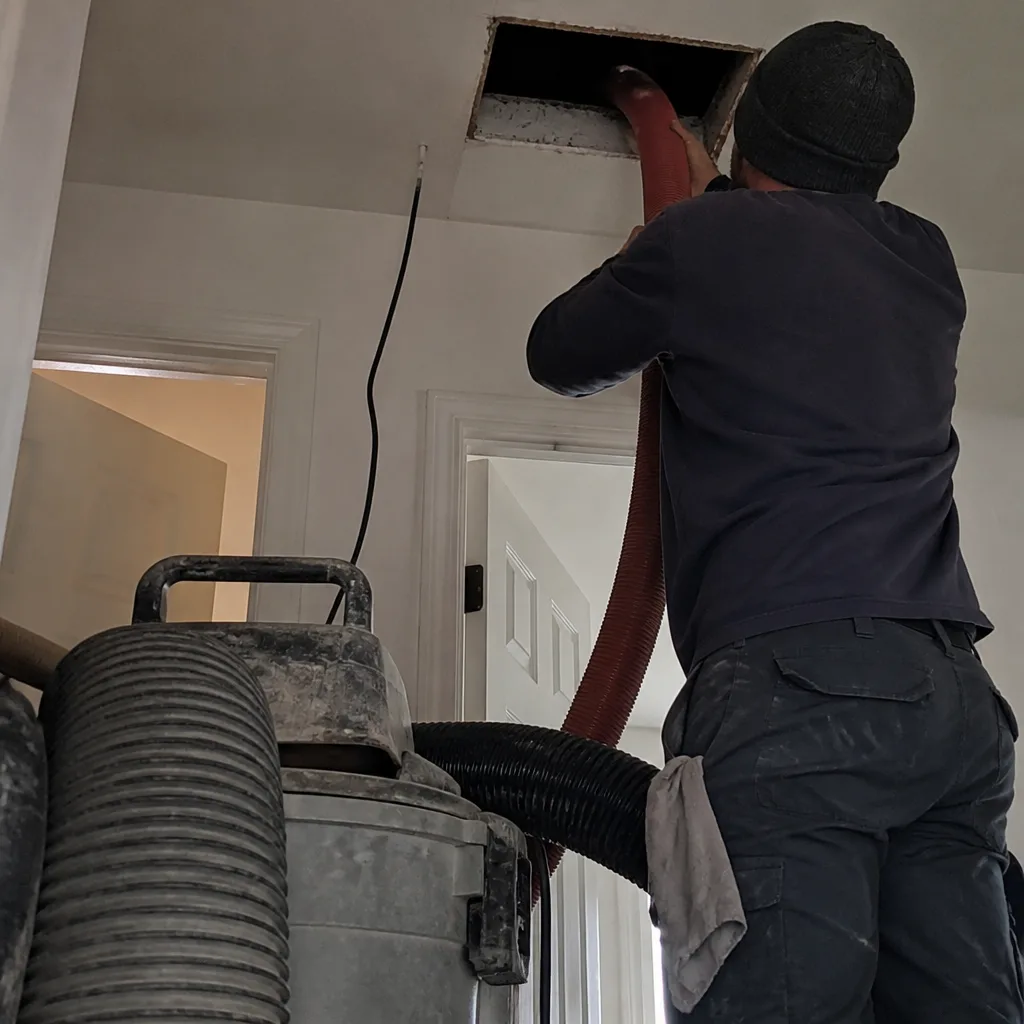 Before
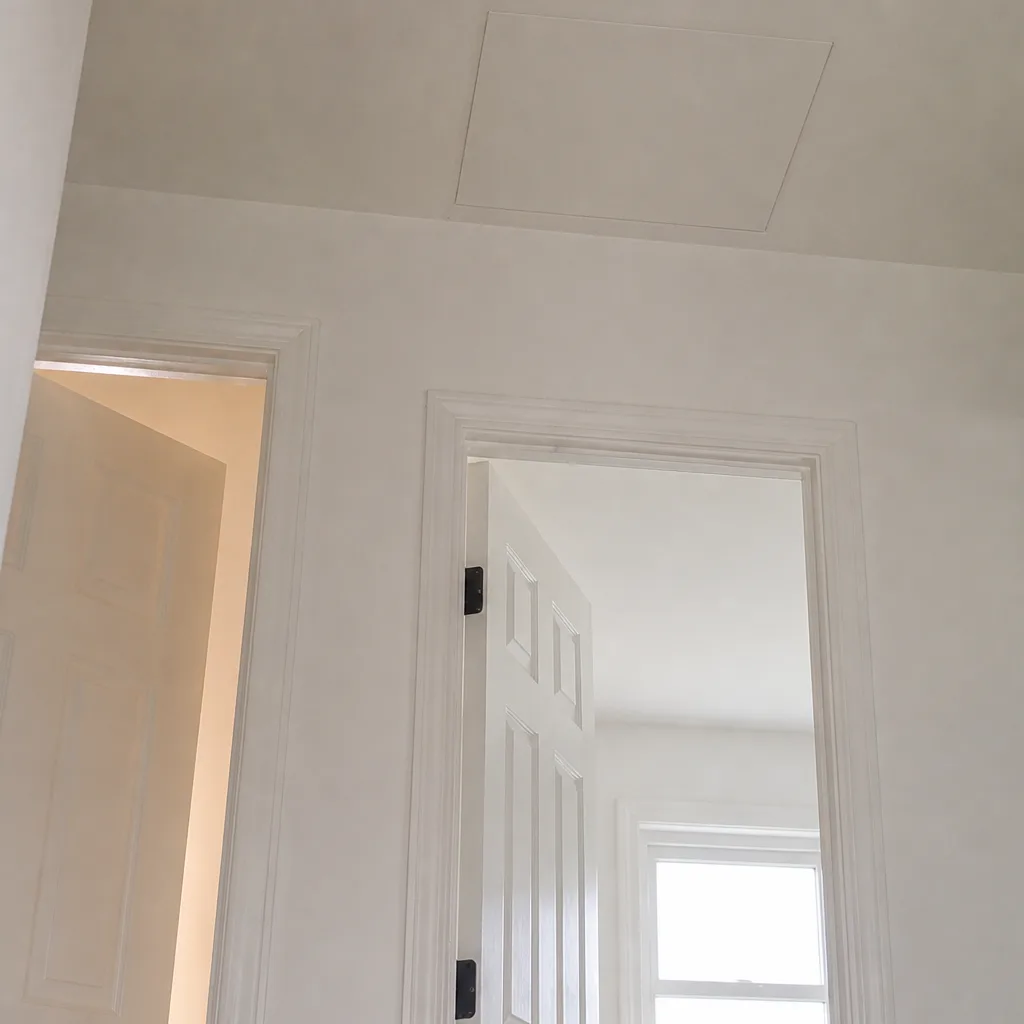 After
When to Call a Professional
Some findings are safe to act on yourself, and some aren’t. Call a professional if you see damp or curling liner inside the ductwork, if airflow is significantly uneven room to room even after the DIY checks, if a musty smell is present at the air handler or near the drain pan, if you find a disconnected or crushed flex duct, or if static pressure is suspect and the system is short-cycling. These are cases where cleaning alone won’t solve it, and where an inspection and diagnosis come first. Herriman Air Duct Cleaning offers free estimates in Herriman – call (844) 625-7619. Call us, and we’ll talk through which of the three cause categories fits your symptoms before we book anything.
Frequently Asked Questions
Cost is set per job by a written estimate, not by a coupon headline, because the right price for a contaminated system that needs sealing is different from a routine clean. We give one flat price per system agreed before work starts, include before-and-after photos of your ductwork, and put the final price in the written estimate before any work begins. Call (844) 625-7619 for a free estimate.
Cheap quotes are usually for vacuuming the visible ductwork with entry-level equipment and no diagnosis. They don’t include a static pressure reading, a leak inspection, or the equipment to clean the full run – Rotobrush, Nikro, or Abatement Technologies equipment is what professional-grade work looks like. The real difference is usually that the low quote doesn’t solve the actual problem, so you pay twice. Call (844) 625-7619 to compare against a real, itemized estimate.
You’ll know because you’ll have before-and-after photos of your own ducts, not stock images, and because the system will hold steady after the visit rather than showing dust returning within a few weeks. If dust comes back fast, that’s the leak diagnostic that should have been part of the job. Call (844) 625-7619 and ask for the before-and-after images up front.
Herriman’s dry, dusty, high-altitude climate accelerates particulate load, so filter changes and vent checks tend to matter more than a fixed cleaning interval. If your home has visible dust streaks, a musty odor, or a recent remodel, that’s your trigger – not the calendar. Call (844) 625-7619 for a free estimate and a real inspection rather than a scheduled cleaning that may not be needed.
No. In Herriman, musty odors often trace to the evaporator coil or its drain pan, or to a return duct pulling crawlspace air, rather than to the ductwork itself. Turn the fan on by itself and smell at the air handler versus at the registers – if the unit is stronger, the component is the source. Call (844) 625-7619 so we can identify the right cause before booking work.
Yes. Duct repair and sealing is a core service here, so it’s handled alongside the cleaning rather than handed off to another contractor. That matters in Herriman because leaking ducts refill with attic and benchland dust as quickly as they’re cleaned, and fixing both in one visit is what makes the cleaning last. Call (844) 625-7619 to schedule a full-scope diagnosis.
The Bottom Line
The three cause categories – contamination, leakage, and static pressure – look alike at the vent but need completely different fixes. Read the symptoms first: dust streaks and a rapid return point to contamination; uneven airflow, whistle, and weak returns point to leakage; uneven supplies, short-cycling, and a strained fan point to pressure. Smell near the air handler before you call the ducts dirty. Once the cause is known, a proper Herriman visit includes the right equipment, an inspection, a written estimate with one flat price per system, before-and-after photos of the work, and any sealing or filtration upgrade done in the same visit. Professional-grade equipment, not workarounds.
If you’ve run the checks in this guide and aren’t sure what your system is telling you, call (844) 625-7619. We answer 24/7. Fast dispatch from 7am to 7pm, Sunday through Friday. The estimate is free and the price is set per job by the written estimate.
Written by the team at Herriman Air Duct Cleaning.