
Last updated November 23, 2026
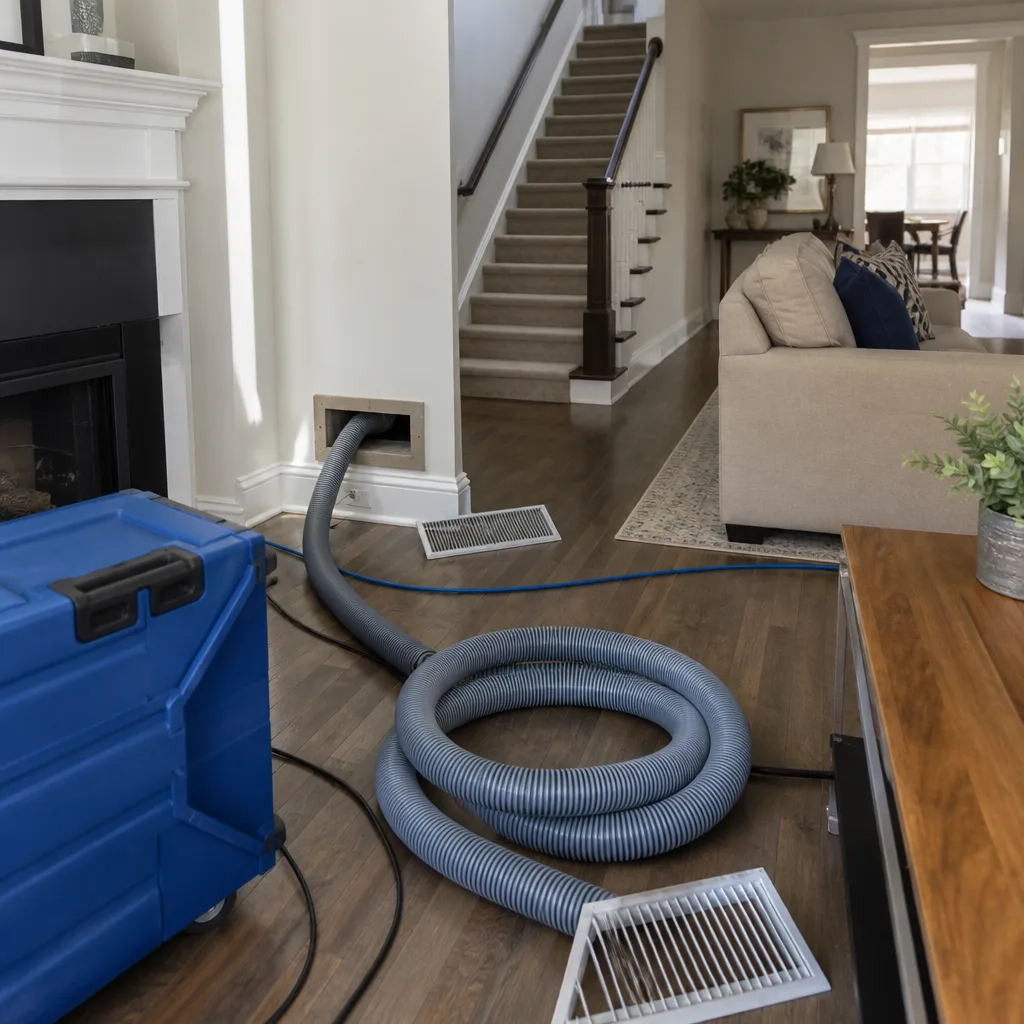 Whole-home duct cleaning
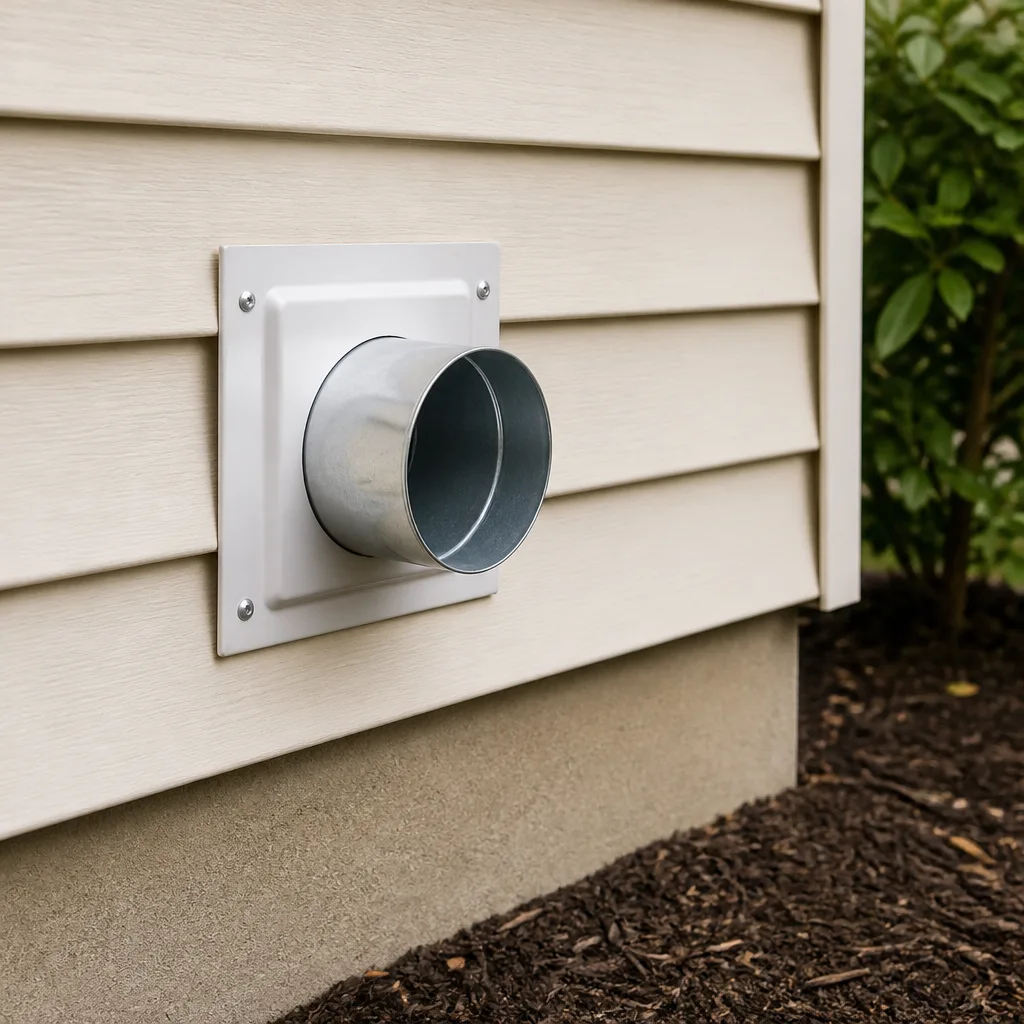 Dryer vent cleaning
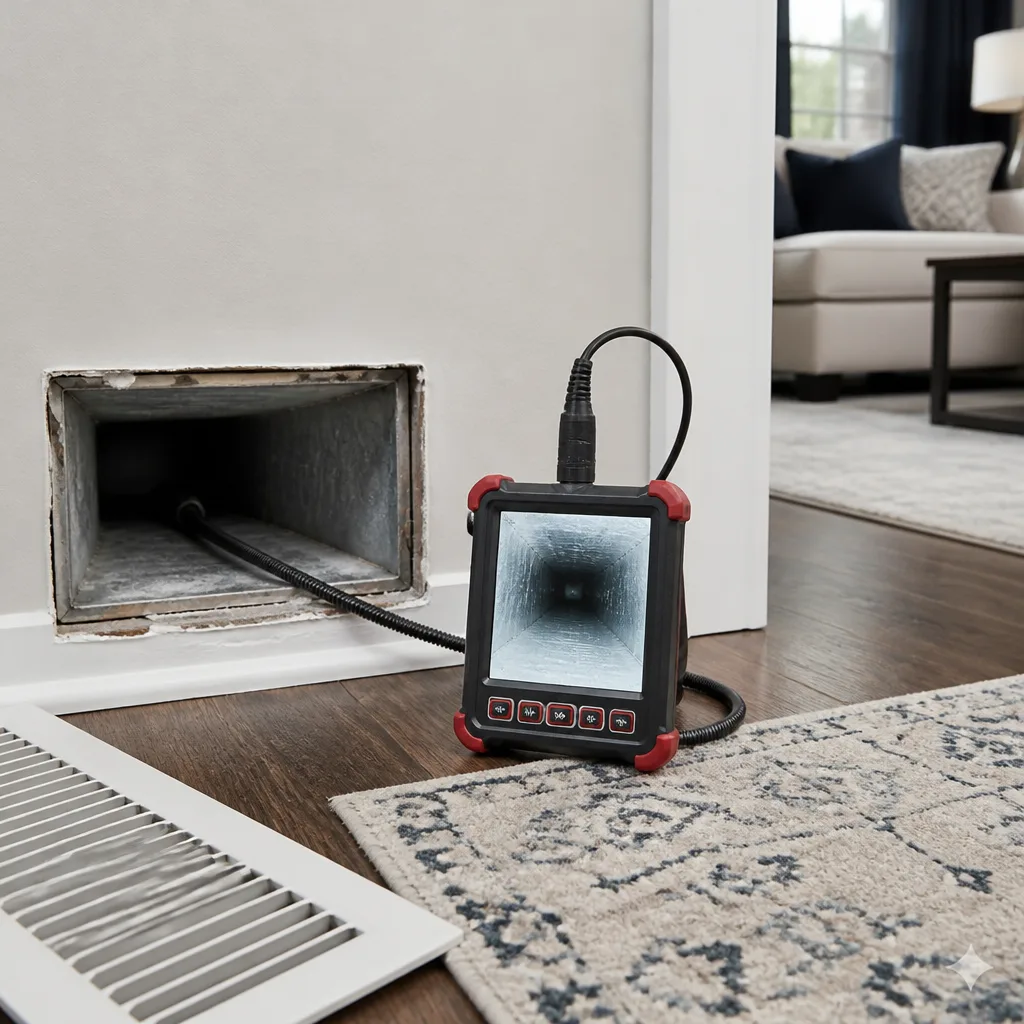 Camera inspection
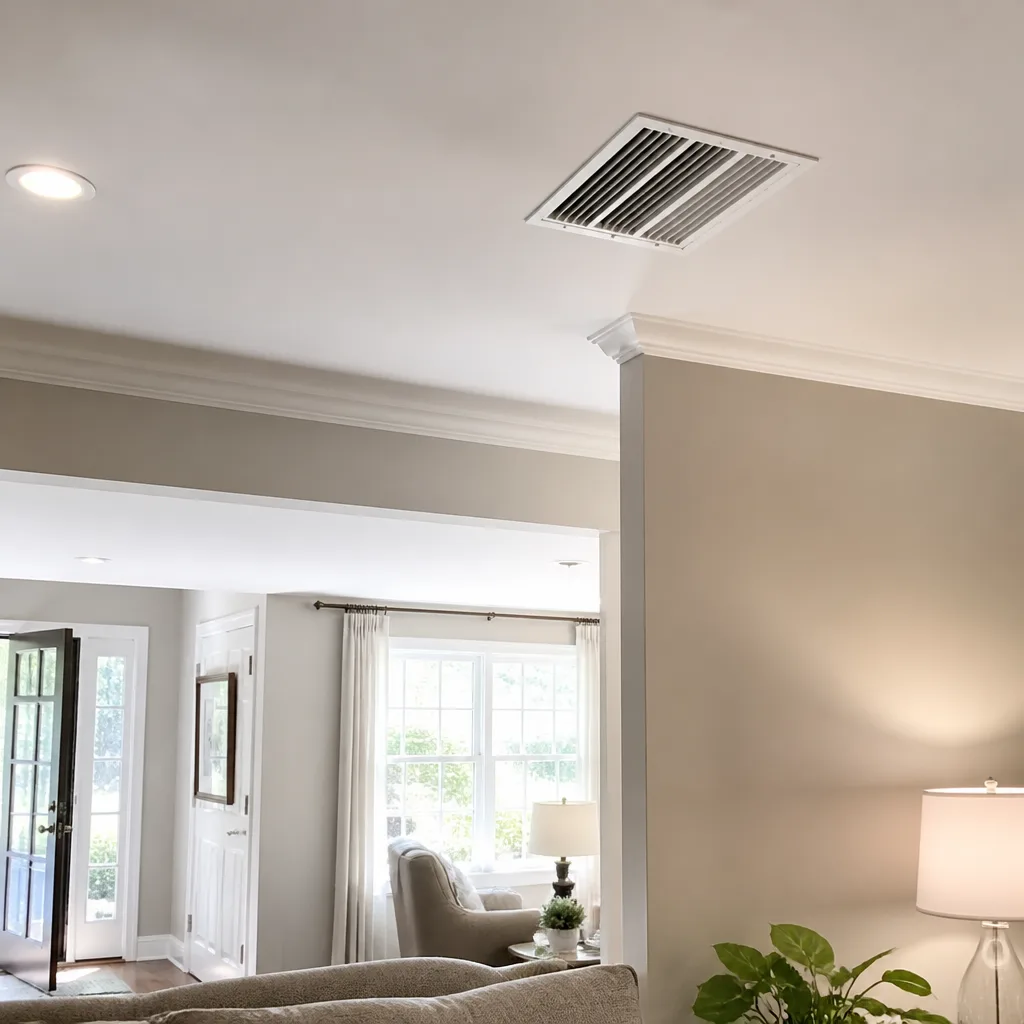 Sanitizing & deodorizing
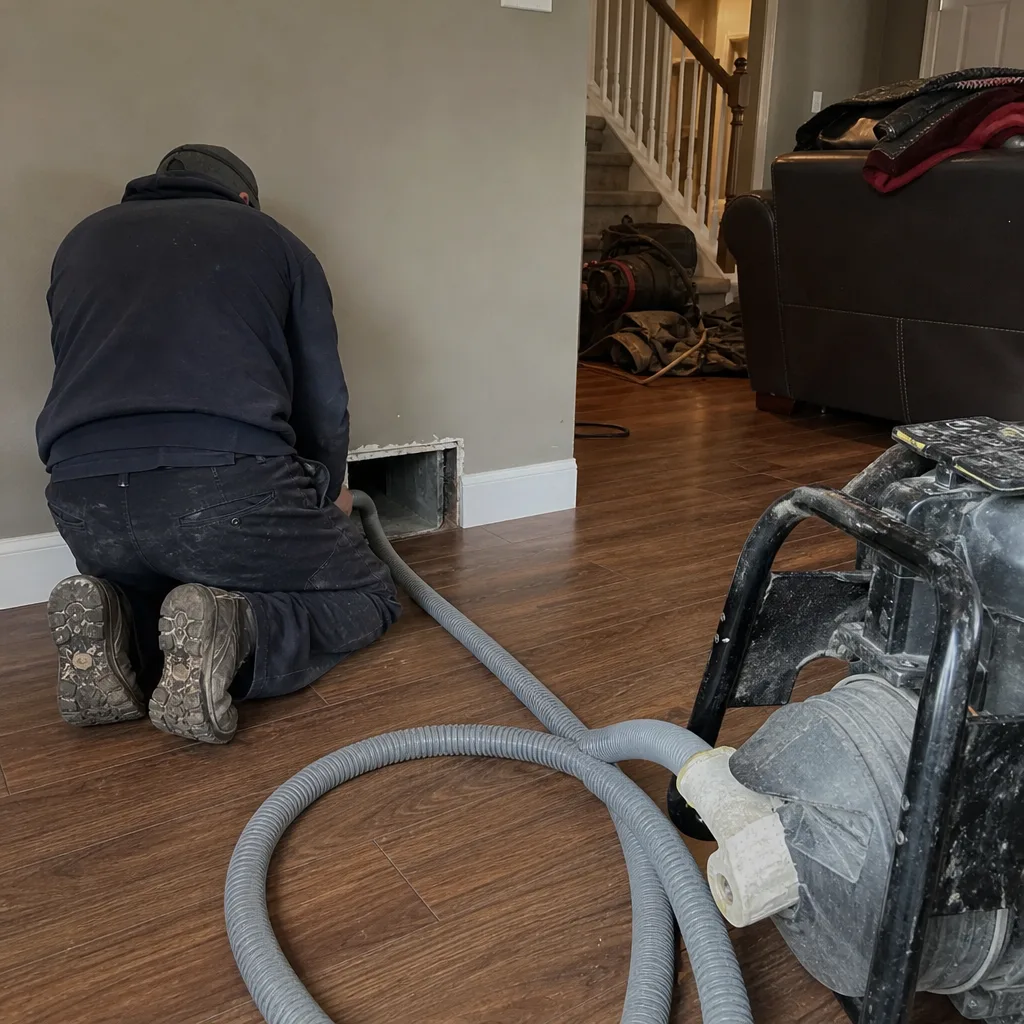
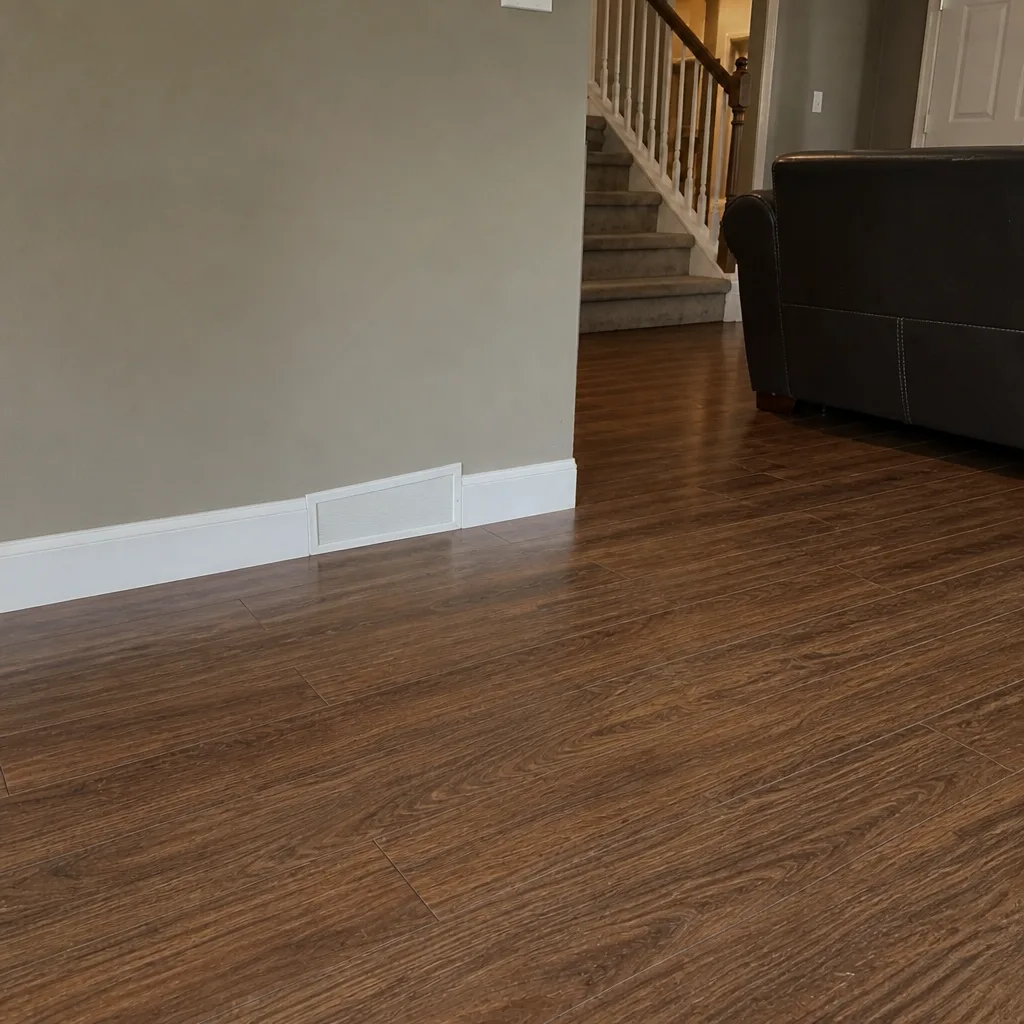
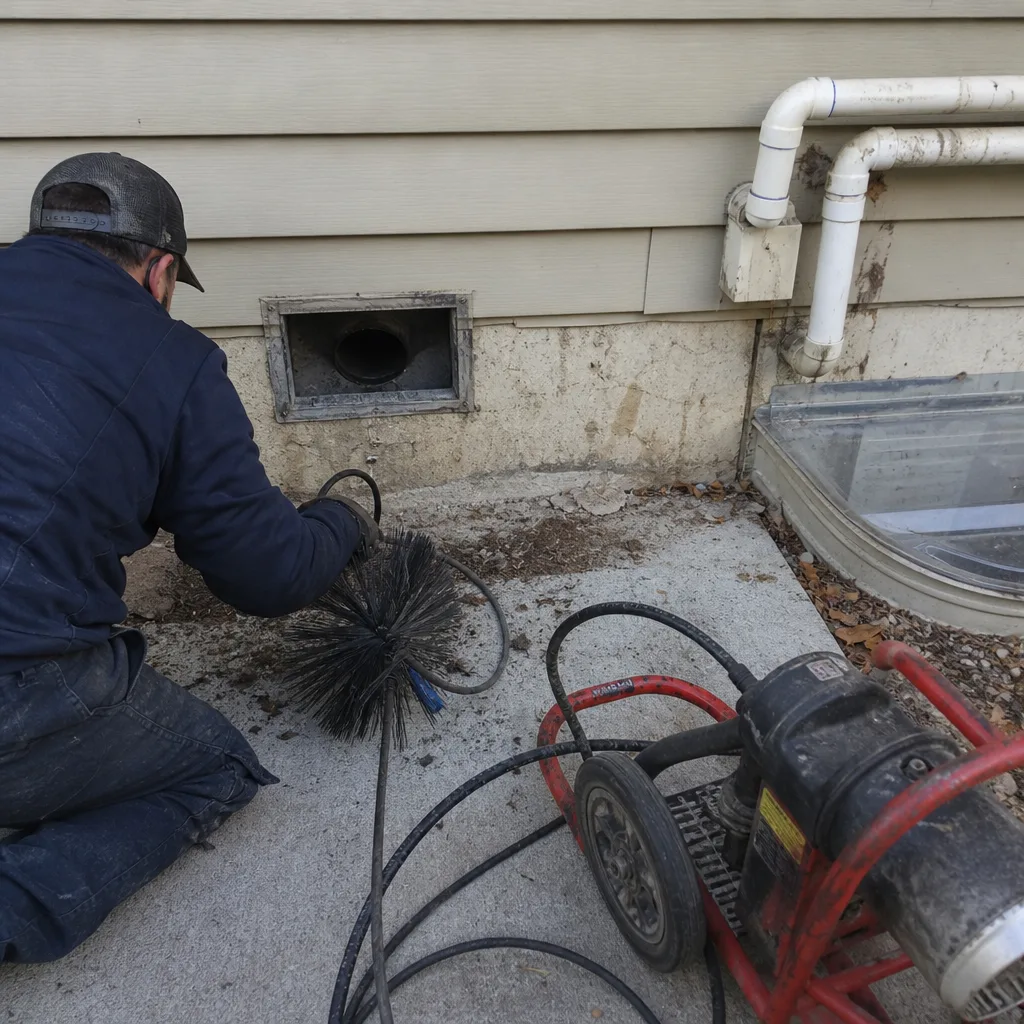
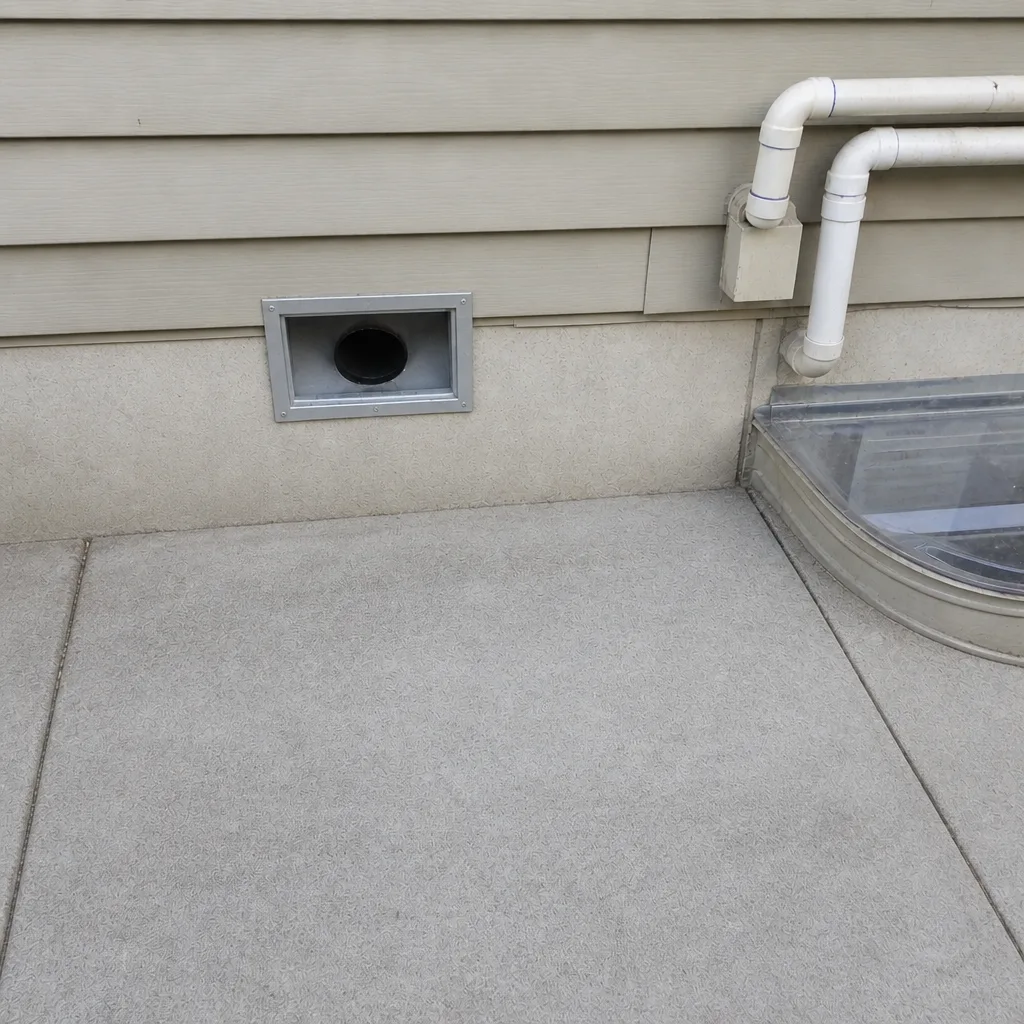
Whole-system duct and dryer vent check with before-and-after photos - you see exactly what came out of your vents
That "$99 whole-house special" is a bait ad - the real number appears once they are in your hallway, or the "clean" is a shop-vac at the register. We photograph the inside of your ducts before and after instead.
Air Duct Cleaning Cost Breakdown: The Herriman Homeowner’s Reference for 2026
Almost every duct cleaning quote you’ll get in Herriman is presented as a single number, and that number tells you almost nothing. A $199 whole-house quote and a $1,200 quote for the same square footage can both be fair pricing, because they’re measuring completely different things. One charges per vent and ignores how dirty your system is. The other prices a complex layout with new-construction dust caked into every branch line. Neither number answers the question you actually have: what work will be done, on what equipment, and how do I know the price matches the job?
This guide breaks duct cleaning down line by line, the way a contractor should quote it. You’ll learn the three pricing models and which one fits Herriman’s mix of new builds and older homes, what the add-on services actually cover, why post-construction cleans cost more, and how to check a quote against a contractor’s record before you sign anything. By the end, you’ll be able to read any quote that lands on your driveway and know whether it’s honest.
Styles & brands we work with
- Whole-home duct cleaning
- Dryer vent cleaning
- Camera inspection
- Sanitizing & deodorizing
Quick Answer
Air duct cleaning in Herriman typically runs from about $300 to $500 for a standard whole-house system, and up to $600 to $900 or more for larger homes, heavily contaminated systems, or post-construction cleans. Per-vent pricing often hides total cost, so the most accurate quotes are system-based and include what equipment is used, how many branch lines are involved, and which add-on services are needed. The written estimate should set the final price before any work starts.
Table of Contents
- Why the Same Square Footage Gets Wildly Different Quotes in Herriman
- Per-Vent, Per-Square-Foot, and System-Based Pricing: What Each One Measures
- Line-Item Breakdown: What You’re Actually Paying For
- Dryer Vents, Coil Cleaning, Sanitizing, and Sealing: Which Add-Ons Are Necessary?
- The Post-Construction Premium: Why Herriman’s New Builds Cost More to Clean
- How to Check a Contractor’s Record Before You Pay
- Total Cost of Ownership: Cleaning vs. Letting a Dirty System Run
- Common Mistakes to Avoid
- When to Call a Professional
- Frequently Asked Questions
Why the Same Square Footage Gets Wildly Different Quotes in Herriman
Two houses on the same street with the same floor plan can produce quotes that differ by hundreds of dollars, and the reason usually has nothing to do with the company’s greed or generosity. It comes down to seven variables that most quotes never disclose. Understanding them is the fastest way to compare bids on equal footing.
The first is system accessibility. Duct runs that snake through crowded attics, crawlspaces, or finished basements take longer to reach and clean properly. The second is contamination level. A home that’s been running with clogged filters for years holds far more debris than one cleaned on a regular cycle, even if it looks identical from the curb. The third is number of branch lines and returns, which has no clean relationship to square footage.
The fourth is duct material and condition. Flexible ducting, sheet metal, and ductboard each require different cleaning approaches and equipment settings. Worn or crushed sections complicate the job. The fifth is equipment used. Professional-grade systems like Rotobrush and Nikro create the airflow and agitation needed to actually remove debris from every surface, and they cost the operator far more than a shop vacuum with a long hose. The sixth is whether the quote includes sanitizing or sealing, and the seventh is whether the technician inspects the system with a camera before or after cleaning.
Herriman makes these variables especially pronounced. The city’s rapid growth means many homes on the same block range from brand-new construction to two decades old, and the duct configurations inside them look nothing alike. A system-based quote accounts for what’s actually in the house. A per-vent quote accounts for how many registers the technician can count. Those are not the same measurement, and the difference shows up in your final invoice.
Per-Vent, Per-Square-Foot, and System-Based Pricing: What Each One Measures
There are three ways duct cleaning gets priced, and each one measures something different. Knowing the difference is the single most useful skill you can develop for comparing Herriman quotes.
Per-Vent Pricing
This model charges a set price for every register in the home. It’s easy to understand, which is exactly why it’s used in teaser ads. The problem is that vent count is a poor proxy for system complexity. A single register can connect to a long, dirty branch line that takes real effort to clean, while three registers in a simple closet run can move quickly. Per-vent pricing also creates an incentive to count generously and clean thinly. When a quote leads with a per-vent number, ask for the total for your whole system, including returns, before you agree to anything.
Per-Square-Foot Pricing
Square footage is another rough approximation. It assumes every square foot of home places the same demand on the duct system, which isn’t true. A sprawling ranch with a single central air handler rarely cleans like a two-story with zoned systems and long attic runs. Per-square-foot pricing sometimes appears in insurance or post-construction contexts where measurement matters, but it’s not the most accurate way to quote a routine clean.
System-Based Pricing
This model prices the job by what the system actually is: how many air handlers, the length and accessibility of branch runs, the level of contamination, and what cleaning method the duct material requires. It’s the most accurate approach for Herriman’s housing stock precisely because it accounts for the variables that per-vent and per-square-foot models ignore. The quote you receive reflects the work the technician will do, and the written estimate sets the final price.
When you call a company, ask which model they use before you give them any details. If they lead with a per-vent number, get the whole-system range in writing and compare that to anyone else’s whole-system range. This is the foundation of judging value, and it’s why our air duct cleaning quotes are presented as system-based estimates.
Line-Item Breakdown: What You’re Actually Paying For
Every legitimate duct cleaning quote is made of the same building blocks. What differs is which blocks are priced separately and how each one is described. A useful quote shows you the parts, not just the total. Here is how the components typically shake out for a Herriman home, presented as a range so you can sanity-check any bid you receive.
- Standard whole-house duct cleaning: typically $300 to $500 for a routine maintenance clean on an accessible system. This covers the air handler, main trunk lines, branch runs, and every supply and return register.
- Larger or more contaminated systems: typically $600 to $900 or more, depending on the number of air handlers and the volume of debris.
- Post-construction cleaning: typically 25 to 40 percent higher than a standard maintenance clean because of drywall dust and construction debris throughout the system.
- Sanitizer application: often quoted as a separate line item. Worth it when there’s microbial growth, smoke odor, or animal contamination; not strictly necessary on a routine clean of a well-maintained system.
- Camera inspection: sometimes bundled into the cleaning, sometimes quoted separately. Ask before work starts whether the technician will show you before-and-after footage of your own ducts.
- Duct sealing: a repair service, not a cleaning add-on. If the technician finds gaps or disconnected joints, sealing is what stops the debris from coming right back.
The key discipline here is asking what each line covers. A $300 quote that says only “duct cleaning” and a $600 quote with a detailed scope are not necessarily priced differently once you account for what’s missing. On the other hand, a quote with five line items where you were expecting one may be padding, and it’s fair to ask why each item is needed for your specific system.
If the technician finds damaged or disconnected ductwork during cleaning, the fix is typically sealing, not cleaning it again. This is why we treat duct repair as a core service rather than handing you off to a contractor who only does structural work. Cleaning and sealing belong in the same visit when the problem calls for both.
Dryer Vents, Coil Cleaning, Sanitizing, and Sealing: Which Add-Ons Are Necessary?
Add-on services are where duct cleaning quotes drift away from the core job, and where the line between a legitimate upsell and padding gets blurry. Each add-on below is real work, and each is necessary in certain situations. None is necessary on every single job. That distinction matters more than the price tag.
Dryer Vent Cleaning
This is a separate system from your HVAC ductwork, and it’s a safety issue rather than a comfort issue. A lint-clogged dryer vent slows drying times and is a recognized fire risk. Most homes don’t need their dryer vent cleaned on the same schedule as their air ducts, but it’s the add-on we most often recommend because the consequences of skipping it are serious. Our dryer vent cleaning service is priced and performed as its own job, so you can schedule it alongside an air duct cleaning without it being buried in a bundle.
Coil Cleaning
The evaporator coil sits in the air handler and collects dust that slips past the filter. A dirty coil makes the system work harder to cool the same space, and any technician trained on the whole HVAC system should be able to inspect and clean it. This is legitimate work, not a courtesy. If the technician pulls a coil that’s clean and tells you it needs cleaning anyway, that’s a red flag.
Sanitizer Application
Sanitizing makes sense when there’s microbial growth, lingering smoke odor, or contamination from rodents or water intrusion. It’s the kind of treatment where the equipment matters. We use Abatement Technologies protocols and Guardsman-grade products because routine dust removal and contamination remediation are not the same task. On a clean, well-maintained system, sanitizing is optional. A technician who insists otherwise on every single visit is selling you something you may not need.
Camera Inspection
Not so much an add-on as a proof point. A technician who can show you before-and-after footage of your own ducts has documented that the work was done, and you can see what was actually removed. If a low quote doesn’t include any inspection footage, that’s a reason to ask what standard of proof it offers.
Duct Sealing
Leaky ducts are the one problem cleaning can’t solve on its own. Gaps at joints and disconnections send conditioned air into the attic and pull unconditioned air back in, which does nothing for your indoor air quality. Sealing closes what cleaning exposes.
The most useful question to ask about any add-on is: what did the technician find, and how do I know it needs treating? A specific answer about the condition of your system is a fair answer. A vague one about general air quality is a sales pitch.
The Post-Construction Premium: Why Herriman’s New Builds Cost More to Clean
Herriman has been building at a pace that puts it among the fastest-growing cities on the south valley, and that growth means thousands of homes are moving from construction site to move-in ready every year. It also means a distinct kind of duct cleaning job that most generic quotes don’t account for. Post-construction cleaning is a different task, and it costs 25 to 40 percent more than a routine maintenance clean for good reason.
Here’s what’s actually inside new ductwork. During construction, drywall installers cut panels and sand joints, generating fine dust that drifts through every opening in the supply system. Framing crews leave sawdust behind. Plumbers and electricians dislodge debris. Then the HVAC equipment runs during final walkthroughs and inspections, distributing all of it through the ducts. When you move in, every time the system kicks on, that dust circulates through your bedrooms and kitchen. Standard cleaning methods that rely on light brushing and normal airflow won’t pull that construction dust out, because it’s stuck to the surfaces in a way routine household dust isn’t.
The right process for a post-construction clean is more involved, and it involves more equipment:
- Inspect every branch line before cleaning. New construction can have runs that were never connected properly, or that were crushed behind finished walls during the build. Camera inspection finds these before cleaning, not after.
- Use a high-volume negative-pressure system. The air handler and the return side need to stay under pressure while the technician works, so that dislodged dust is evacuated rather than distributed back into the house. This is the step consumer-grade equipment struggles to do well.
- Agitate and extract every surface. Professional-grade systems like Rotobrush and Nikro are designed to break construction dust off duct walls and pull it out with the airflow, rather than just blowing it around.
- Clean the return system and registers. Construction debris settles at the return grilles first, so it’s a prime area to check before the equipment runs again.
- Inspect after cleaning. A proper post-construction clean ends with footage showing the work was done, not an invoice with a signature line.
- Address filtration. If the construction dust revealed that the original filter setup was minimal, an upgrade to a Honeywell or Aprilaire filtration system is often worth discussing while the system is clean.
These are the steps that justify the higher cost of a post-construction clean, and a quote that doesn’t mention any of them isn’t quoting the same job. If you’ve just closed on a new home in Herriman, our HVAC cleaning service covers the air handler and coil as part of the same visit, which handles the whole picture rather than just the ducts.
How to Check a Contractor’s Record Before You Pay
The price you’re quoted and the quality of work you receive are not always correlated, and the only way to know is to check records. Utah makes this easier than most states, if you know where to look. A contractor with a clean record and a fair price is worth more than a contractor with a low price and a complaint history, and the check takes less than ten minutes.
Start with the state licensing record. Utah requires contractors to hold a license for most residential work, and the state’s contractor database allows you to look up a company by name and see its license status, license classification, and whether the record shows any disciplinary action. Take five minutes to confirm that the company you’re considering is actually licensed for the work being quoted. A quote from an unlicensed operator carries no recourse if something goes wrong.
Next, check the Better Business Bureau complaint history. You’re looking for two things: the pattern of complaints and how the company responds. A single complaint is not a red flag; every established business has one or two. A pattern of complaints about the same issue, with no meaningful response, is a different story. Look at the nature of the complaints, not just the count.
Third, ask the company directly for a written scope of work with your estimate. The written scope should specify the cleaning method, the equipment used, whether camera inspection is included, and whether any follow-up work (like sealing) would be quoted separately. If they can’t put it in writing, that’s a problem. A written estimate is the single most important document in the transaction, because it’s what holds the final price to the price you agreed to.
Fourth, look at the equipment. A company that operates professional-grade systems like Rotobrush, Nikro, or Abatement Technologies equipment is investing in the tools that do the job properly, and that shows up on the invoice. A company that shows up with a shop vacuum can offer a low price because it’s not doing the same work. The tool list is a good proxy for the standard of cleaning you’ll receive.
Finally, use the quotes themselves as the test. A quote from a company whose license is current, whose BBB record is clean, and whose written scope names the equipment and the inspection process is more likely to hold up than a quote from a company that leads with a coupon price. The low quote isn’t automatically wrong, but the record and the written scope tell you whether it’s a fair deal or a bait-and-switch waiting to happen.
Total Cost of Ownership: Cleaning vs. Letting a Dirty System Run
Duct cleaning is often framed as a one-time expense, but the more useful way to think about it is as maintenance against ongoing energy and air quality costs. A clean, sealed duct system doesn’t deliver lower bills because the cleaning company says so. It delivers lower bills because the system isn’t working against itself, and an honest view of the economics makes that clear.
Here’s the logic, in plain terms. Every gap in your ductwork lets conditioned air escape into the attic or crawlspace and pulls unconditioned air back in. Every accumulated layer of dust on the coil and in the ducts makes the blower and compressor work harder to move the same volume of air. Those two problems compound. A system that leaks and is fouled uses more energy to reach the same comfort level than one that’s clean and sealed, and the cost shows up month after month in your utility bill rather than once on your cleaning invoice.
The cleaning cost is a single transaction. The energy and air quality cost of skipping it is ongoing. If your system is losing conditioned air through leaky joints, the sealing service pays back over time because it fixes a problem cleaning alone can’t reach. If it’s simply dirty, routine cleaning restores airflow and reduces the strain on the equipment, which is the kind of maintenance that extends the life of the system rather than replacing it.
For Herriman homeowners specifically, there’s an added air quality dimension. Allergy season in this valley is real, and the same ducts that circulate conditioned air also circulate dust, pollen, and construction debris. A properly cleaned and sealed system, paired with the right filtration from Honeywell or Aprilaire, does a better job of controlling what your family breathes. That’s a different kind of value than an energy bill, but it’s a real one, and it’s why we treat clean ducts as part of a bigger picture rather than a one-off job.
When you’re evaluating the cost, the fair comparison isn’t cleaning versus no cleaning. It’s cleaning now, at a known price, versus the ongoing cost of a system that’s fouled, leaking, and working harder than it needs to. That’s the number that matters over multiple years, and it’s why we look at the whole indoor air system when we quote a job.
Common Mistakes to Avoid
- Comparing a per-vent quote to a system-based quote. The numbers aren’t measuring the same thing, so the cheaper one isn’t necessarily cheaper. Ask each company to quote the whole system, including returns, before you compare.
- Assuming a low price means a rip-off, or a high price means quality. Price and quality aren’t correlated unless you check the record. Look up the license and the BBB history before you decide either way.
- Agreeing to work without a written scope. The estimate is what holds the price. If a technician shows up and the scope has changed, that’s a conversation to have before work starts, not after.
- Skipping the post-construction clean in a new Herriman home. Drywall dust and construction debris are a different problem than routine household dust, and a routine clean won’t remove them. If you’ve just moved into a new build, ask for post-construction pricing.
- Treating sanitizing as mandatory on a clean system. It’s worth it when there’s microbial growth or contamination. On a well-maintained system, it’s optional, and a technician who insists otherwise is selling, not inspecting.
- Cleaning the ducts but ignoring leaky joints. Gaps and disconnects send the debris right back where it came from. If the inspection finds damaged ductwork, plan on sealing as part of the job.
- Believing before-and-after claims without seeing the footage. A technician who can show you the inside of your own ducts, before and after, has documented the work. An invoice with a signature line isn’t documentation.
When to Call a Professional
Some signs of a dirty duct system are obvious, and some are subtle. Visible dust blowing from registers right after a filter change, musty odor when the system starts, or unexplained increases in allergy symptoms in the same rooms are all signs worth a professional look. A recent move into a new home, especially a new construction home in Herriman, is a reason to schedule a clean. Visible mold growth inside ductwork or around the air handler is a reason to stop using the system until someone inspects it.
The ductwork itself is mostly hidden, and that’s why checking it properly requires equipment most homeowners don’t own. A camera inspection and professional-grade cleaning equipment are the difference between knowing what’s inside and guessing. If you’re not sure whether your system needs work, a free estimate removes the guesswork. Herriman Air Duct Cleaning offers free estimates in Herriman – call (844) 625-7619. We answer 24/7. Fast dispatch from 7am to 7pm, Sunday through Friday.
Frequently Asked Questions
Air duct cleaning in Herriman typically runs from about $300 to $500 for a standard whole-house system, and $600 to $900 or more for larger homes, heavily contaminated systems, or post-construction cleans. The written estimate sets the final price, so ask for a whole-system quote rather than a per-vent price. Call (844) 625-7619 for an exact quote – estimates are free.
The low quote is usually cheaper because it’s measuring a different job. Per-vent pricing ignores system complexity, and a company that shows up with consumer-grade equipment isn’t doing the same work as one using Rotobrush or Nikro systems. That’s not always a problem, but you deserve to know which one you’re getting. Call (844) 625-7619 for an exact quote – estimates are free.
Ask for before-and-after footage of your own ducts. A technician who can show you the inside of the system before and after cleaning has documented the work, while an invoice with a signature line hasn’t. Our quotes include the inspection process as part of the scope, so you see what changed. Call (844) 625-7619 for an exact quote – estimates are free.
Most homes do well on a cleaning every few years, with the schedule shifting based on pets, allergy sufferers in the household, recent construction, and how well the filters are maintained. A new-construction home in Herriman should be cleaned once shortly after move-in to clear construction dust. Call (844) 625-7619 for an exact quote – estimates are free.
Duct sealing is worth the cost when the inspection finds gaps, disconnected joints, or crushed sections, because cleaning alone can’t fix leaky ductwork. If the system is clean and sealed properly, conditioned air goes where it should instead of leaking into the attic. Whether your system needs it depends on what the inspection finds. Call (844) 625-7619 for an exact quote – estimates are free.
Yes. A post-construction clean is different from a routine maintenance clean, and it’s typically 25 to 40 percent higher in price because of drywall dust and construction debris throughout the system. Standard cleaning methods don’t remove it properly. Ask specifically for post-construction pricing. Call (844) 625-7619 for an exact quote – estimates are free.
The Bottom Line
Duct cleaning pricing in Herriman varies widely because the quotes are measuring different things. Per-vent pricing ignores system complexity. Per-square-foot pricing ignores how the home was built. System-based pricing accounts for what actually needs cleaning, which is why it produces the most accurate quote for Herriman’s mix of new construction and older homes.
Before you sign anything, ask three questions: What is the written scope of work? What equipment will be used? Can I see before-and-after footage of my own ducts? A company that answers all three clearly, holds a current license, and has a clean record with the BBB is the one worth hiring, regardless of the number on the estimate. The cheapest quote and the most expensive one can both be fair – you just need to know what you’re buying.
If reading your quote has raised questions, call us. We’ll walk you through the system, explain what the inspection found, and give you a written estimate you can compare on equal footing. Call (844) 625-7619. We answer 24/7. Fast dispatch from 7am to 7pm, Sunday through Friday. Estimates are free, and the written estimate sets the final price.
Written by the team at Herriman Air Duct Cleaning.
See the difference
 Before
 After
 Before
 After
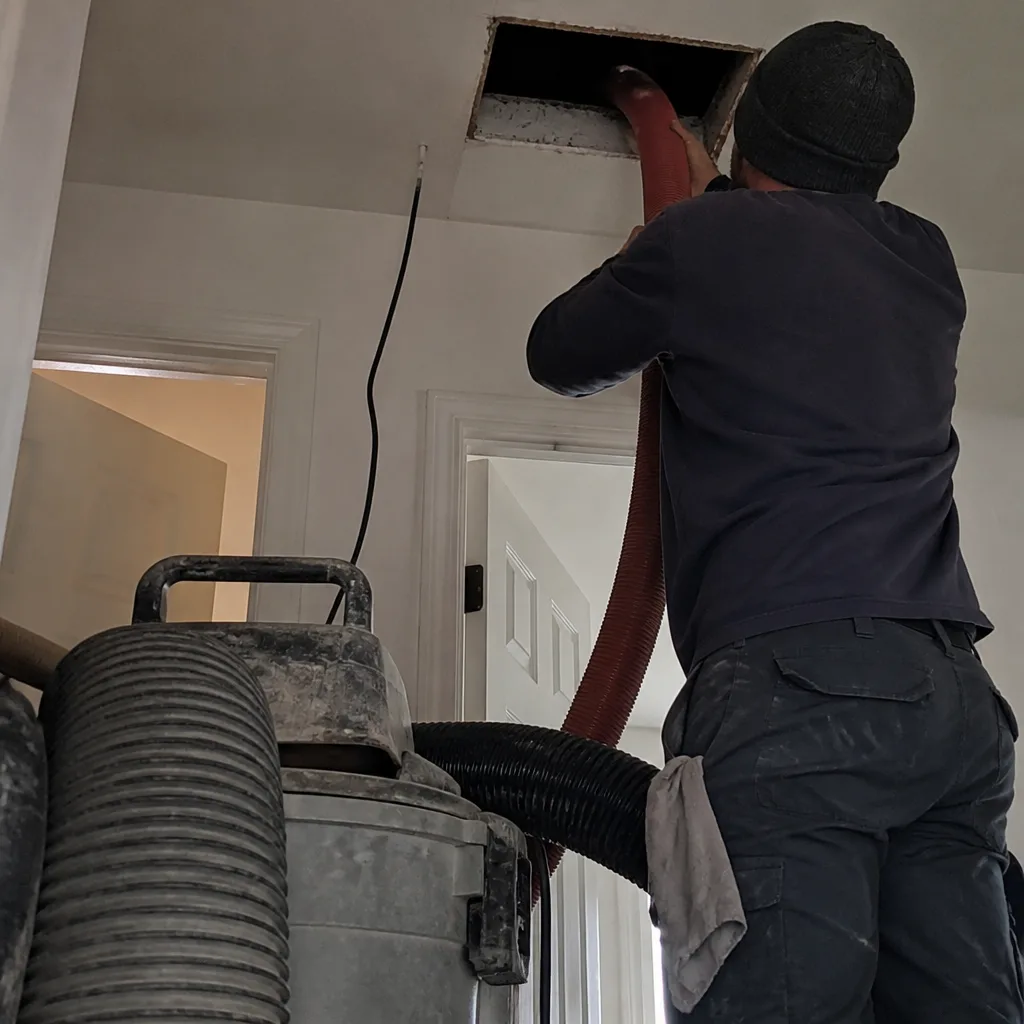 Before
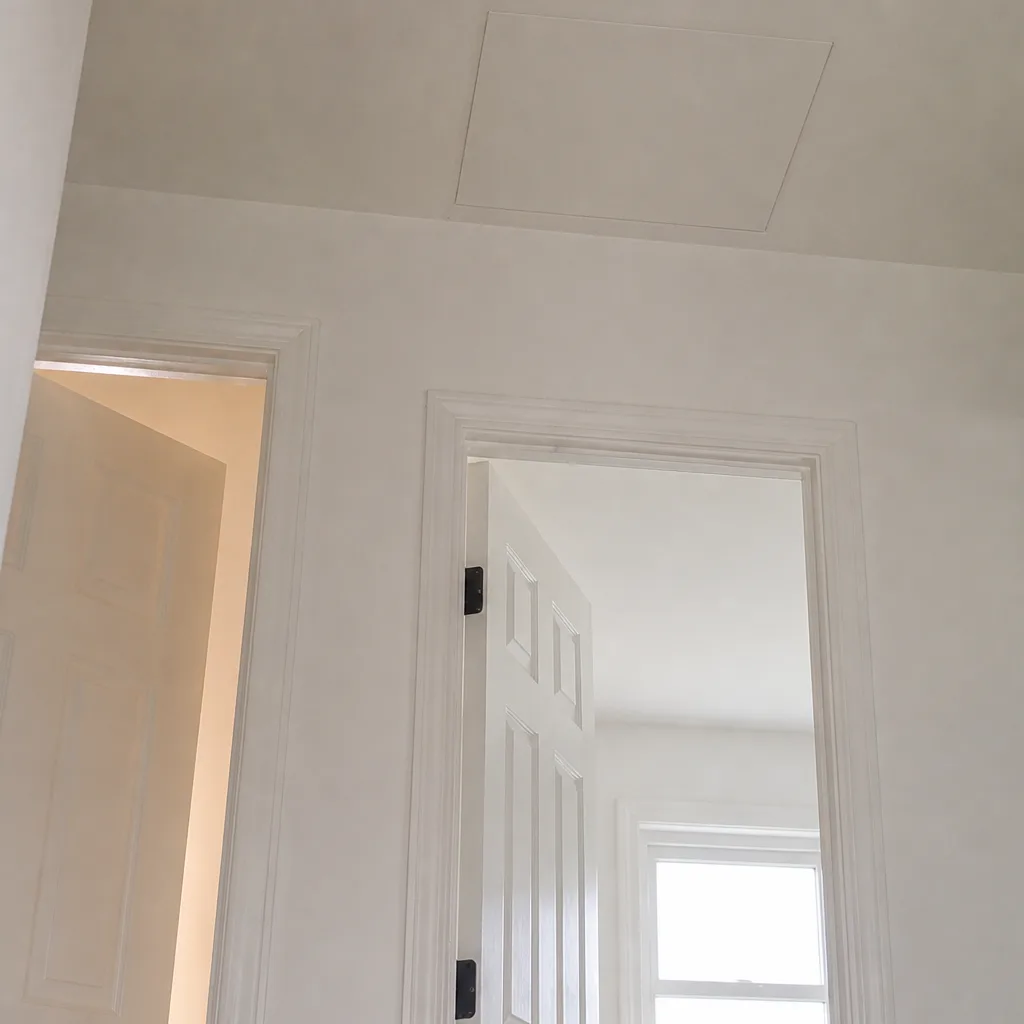 After