
Last updated November 23, 2026
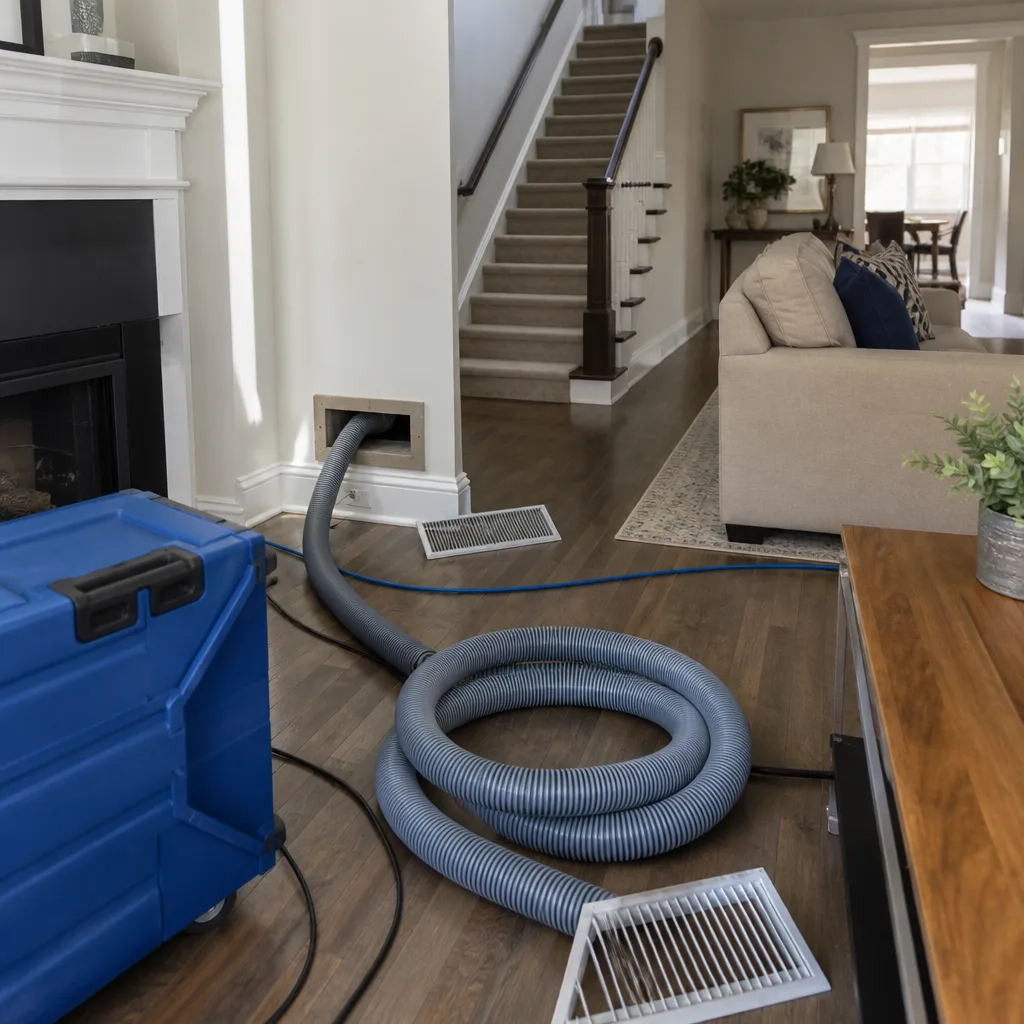 Whole-home duct cleaning
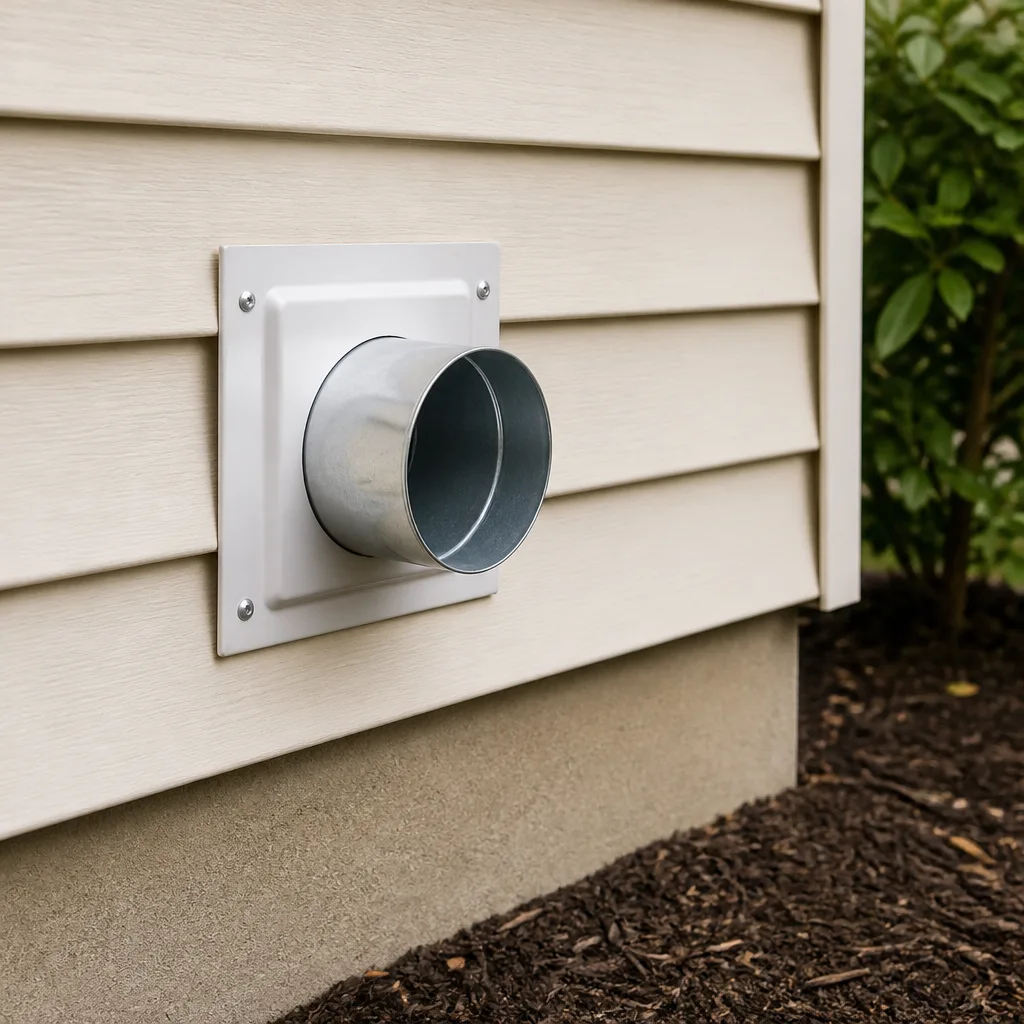 Dryer vent cleaning
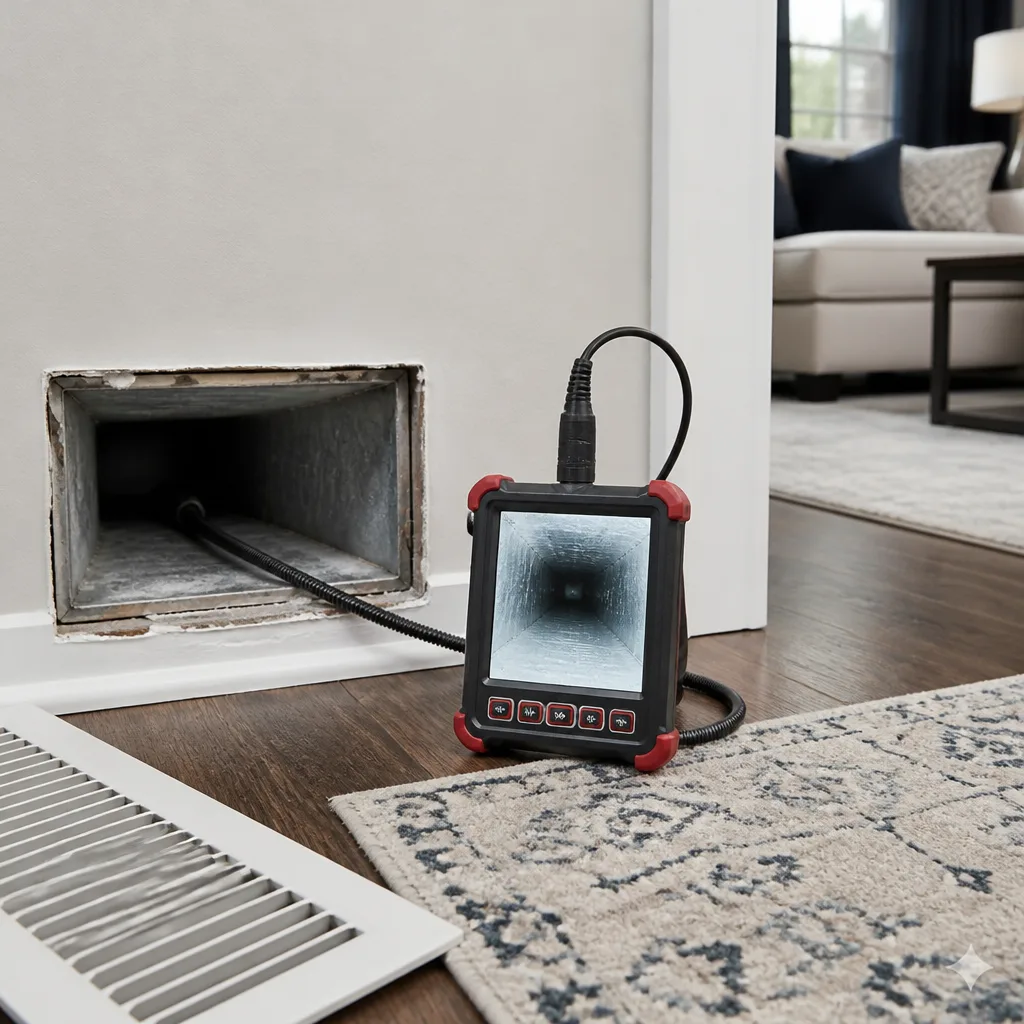 Camera inspection
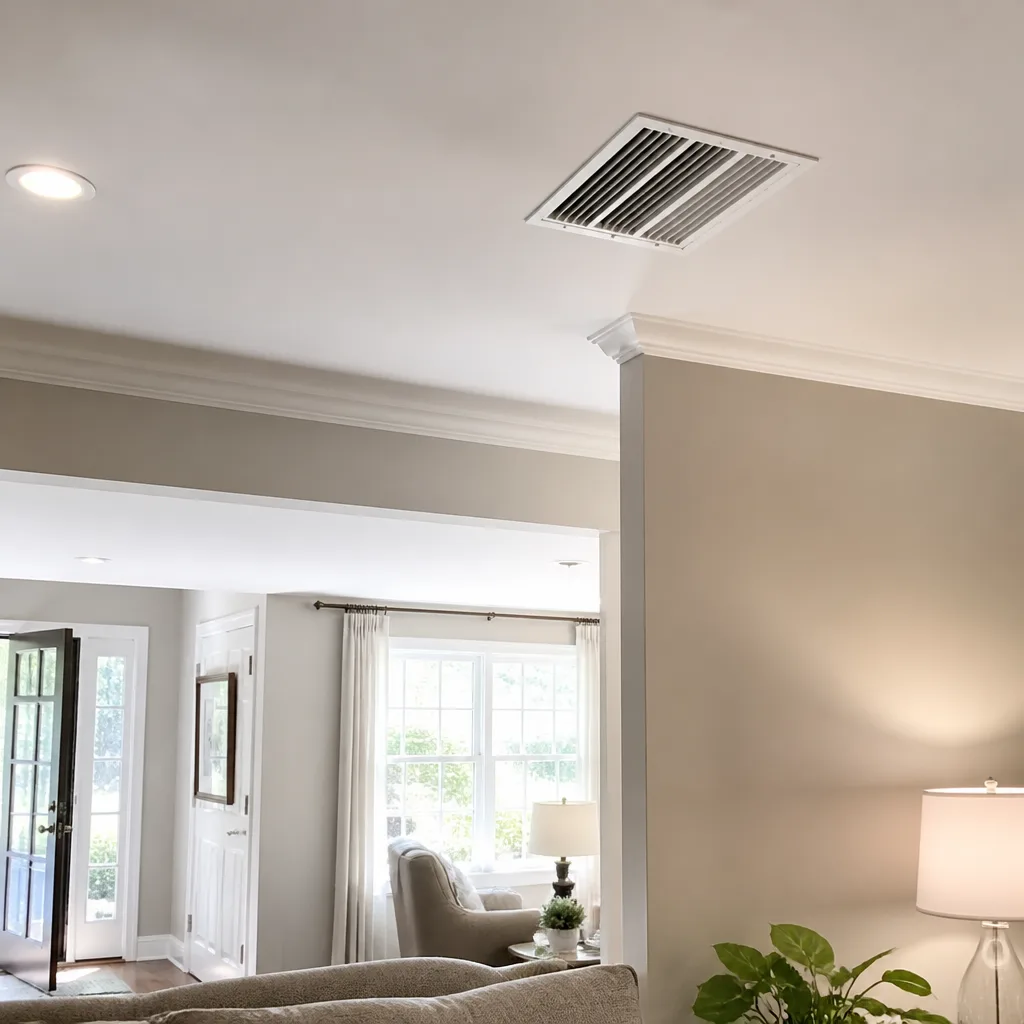 Sanitizing & deodorizing
Whole-system duct and dryer vent check with before-and-after photos - you see exactly what came out of your vents
That "$99 whole-house special" is a bait ad - the real number appears once they are in your hallway, or the "clean" is a shop-vac at the register. We photograph the inside of your ducts before and after instead.
Air Duct Cleaning Emergency Preparedness Guide for Herriman Homes
Most homeowners treat their ductwork as a set-and-forget system, sealed inside the walls until something rattles or blows warm. But here’s the counterintuitive truth: the duct network is often the first part of a home to record damage from a regional disaster, and the last thing anyone remembers to inspect afterward. When the March 2020 Magna earthquake, a 5.7 magnitude event, rolled through the Salt Lake Valley, some of the earliest failures in homes like the ones across Herriman were not collapsed walls but separated flex-to-hard-pipe joints at duct connectors. This guide covers what to do before, during, and after an emergency so your duct system is an asset, not a hidden liability.
Quick Answer
Emergency duct preparedness in Herriman comes down to three habits: run the HVAC only when outdoor air is safe to draw in, have a current camera inspection record on file for insurance, and know which duct connection points to check after any significant ground movement. For smoke infiltration, flash-flood moisture, and seismic events, the right sequence of inspection and cleaning prevents long-term air quality and efficiency failures that go unnoticed for months.
Styles & brands we work with
- Whole-home duct cleaning
- Dryer vent cleaning
- Camera inspection
- Sanitizing & deodorizing
Table of Contents
- Post-Wildfire Smoke Protocol: Run the HVAC or Shut It Down?
- Flash Flood and Foundation Moisture and Your Ducts
- Seismic Event Checklist for Duct Connections
- Pre-Emergency Duct Preparation and Inspection Records
- Restoration Sequencing After a Water, Fire, or Structural Event
- Why the Equipment Matters in Emergency Scenarios
- Common Mistakes to Avoid
- When to Call a Professional
- Frequently Asked Questions
Post-Wildfire Smoke Protocol: Run the HVAC or Shut It Down?
During an active smoke event, keep the HVAC system running on low fan with the outdoor intake closed and a clean filter in place. Most modern systems recirculate interior air, which lets the filter trap fine particles instead of pulling smoke inside. Shut the system off only if you can smell smoke coming strongly through vents or if the filter is loaded and there’s no replacement on hand.
Wildfire smoke carries fine particulate matter that a standard filter can’t fully capture. Over 72 hours of exposure, layer by layer, that material settles inside duct walls, turning the interior surface from smooth metal into a dusty, greasy film that recirculates every time the fan kicks on. In Herriman, the prevailing canyon winds push valley smoke into neighborhoods like Antelope Canyon and Rosecrest during summer fire season, so homes here see concentrated exposure in short windows.
After the smoke clears, the duct system typically needs attention that a filter change alone won’t fix. Here’s a practical sequence:
- Wait until outdoor air quality has returned to a moderate range before opening the house or running the system at full speed.
- Replace the furnace filter, then let the system run two to three hours to test for lingering odor through the registers.
- If smoke smell returns when the blower runs, schedule a professional cleaning and sanitizing treatment.
- A camera inspection should confirm that internal duct surfaces are clean and dry before you call the job finished.
Sanitizing after a smoke event is where professional products matter. We use Abatement Technologies protocols for air quality remediation, and Guardsman-grade sanitizing products, because a fogger from a hardware store won’t reach the soiled layer inside a duct run.
Flash Flood and Foundation Moisture and Your Ducts
Herriman’s clay-heavy soil holds water for days after a heavy storm, and that saturated ground is the real threat to ductwork. Water wicks upward through foundation walls and into crawl spaces, where duct runs sit low and often rest on or near damp soil. Flex duct in a crawl space that has been wet for 48 to 72 hours becomes a growth environment, not just a wet sleeve.
The contamination timeline looks roughly like this:
- 0 to 24 hours: moisture migrates into crawl space; ducts feel cool and damp on the outside; condensation begins forming inside flex runs.
- 24 to 48 hours: visible water staining on duct insulation; a sour or musty smell in the rooms above the crawl space.
- 48 to 72 hours: active biological growth begins on interior duct surfaces where moisture and dust meet.
- 72+ hours: contamination is established; cleaning and sanitizing are needed, and any compromised duct section should be replaced.
In Herriman, homes on sloped lots near the foothills, especially on streets where runoff channels through new development grading, see the fastest moisture intrusion. The mistake most homeowners make is mopping up the floodwater and assuming the ducts are fine. They aren’t. A crawl space that stayed wet for days needs a full duct inspection, not just a visual check of the visible line.
If foundation moisture is the root cause, cleaning ducts won’t prevent recurrence. We offer duct repair and sealing as a core service, which means when we find disconnected or moisture-damaged duct sections, we fix them in the same visit rather than handing you off to another contractor.
Seismic Event Checklist for Duct Connections
The Wasatch Front is an active seismic zone, and the March 2020 Magna earthquake proved that even a moderate event can shake loose duct joints across the Salt Lake Valley. The first components to fail after ground movement are almost always the flexible connectors where flex duct meets rigid hard pipe. These joints are designed to absorb vibration, but they aren’t designed to survive a shake, and they often separate silently, hiding behind drywall, ceiling joists, or in the attic.
After any significant ground movement, inspect these specific points in this order:
- Furnace plenum: the transition where the main trunk connects to the air handler. Look for gaps, torn flex, or a visible sag.
- Main trunk joints: every seam in the primary trunk line in the attic or crawl space.
- Flex-to-hard-pipe connectors: the flexible couplers at branch runs. These are the most common failure point after a quake.
- Register boots: the metal boxes behind each supply register, especially near ceiling penetrations.
- Return air chase: the cavity that pulls air back to the furnace; check for separations where it meets the unit.
A separated joint wastes energy, pulls attic or crawl space air into your living space, and can pull insulation fibers with it. In our experience, quiet leaks from these joints are the most underdiagnosed duct problem in Herriman homes, because there’s no rattle or obvious draft. A camera inspection is the only reliable way to confirm the system is intact after a shake.
Pre-Emergency Duct Preparation and Inspection Records
Having a current camera inspection record on file matters more than most homeowners realize. Insurers routinely ask for documentation of the system’s condition before a loss to process a claim involving duct contamination or damage. Without a baseline record, an adjuster has to assume the system was already compromised, and the burden of proof lands on you.
What a pre-emergency record should capture:
- Dated camera footage of every major trunk and branch run, showing internal surface condition.
- A written description of duct material and the type of connections used at each joint.
- Photographs of access points, register boots, and the furnace plenum.
- Filter type and size, with the last replacement noted.
- Any pre-existing damage or wear, documented before it’s tested by an emergency.
This record also serves your routine maintenance. Homeowners in Herriman with allergy sufferers in the household benefit from a periodic air duct cleaning schedule that includes camera verification, because you can’t fix what you can’t see. When we clean your system, you get before-and-after photos of your own ducts, not stock images. That documentation is yours to keep, and it becomes the baseline for any future claim or comparison.
Prepare your ducts before the emergency, not after. The most useful thing you can do this month is book an inspection and store the report with your homeowner policy documents.
Restoration Sequencing After a Water, Fire, or Structural Event
Sequencing is where most post-disaster duct work goes wrong. When duct cleaning intersects with broader home restoration, the order of operations decides whether the final result holds or the system gets re-contaminated a week later. If you clean ducts before structural work, drywall dust and debris land right back inside them. If you clean them before the moisture source is fixed, growth returns. And if you clean before the HVAC unit itself is checked, you may be cleaning ducts attached to a fan that’s circulating contamination from a soiled air handler.
Here’s the correct order for a water, fire, or structural loss:
- Stop the moisture or smoke source. No duct work proceeds until the cause is controlled.
- Dry the structure. Crawl spaces, attics, and wall cavities must be dry to acceptable levels before ducts are cleaned or sealed.
- Repair structural damage. Drywall, framing, and roofing go first, so debris from those trades doesn’t re-enter the ducts.
- Perform HVAC cleaning. The air handler, coil, and blower need to be clean so they don’t re-soil the ducts after cleaning.
- Clean the ducts. This is when the full system gets professional cleaning.
- Sanitize and seal. Apply air quality treatment and repair any joints, tears, or disconnected runs found during cleaning.
- Verify with camera. Document the finished condition for your records and your insurer.
In Herriman, where new construction and post-storm remediation both happen quickly, coordination between trades is critical. If a general contractor is on site, insist that duct cleaning happen after drywall and texture work, not before.
Why the Equipment Matters in Emergency Scenarios
Standard cleaning tools work on routine dust. Emergency scenarios raise the bar, because you’re dealing with smoke residue, biological growth, or torn duct material that a consumer vacuum can’t touch. The tools decide the outcome.
We deploy Rotobrush and Nikro professional-grade cleaning systems, the equipment trusted by commercial HVAC contractors, rather than consumer or entry-level tools. Rotobrush uses a rotating brush whip that scrubs duct walls, and Nikro units handle high-volume extraction so loosened material leaves the system rather than settling in a downstream run. During remediation-level jobs, where contamination is established, Abatement Technologies equipment lets us run contamination-control protocols rather than routine dust removal.
Clean ducts are only part of the picture. After a fire or smoke event, we can also supply and install Honeywell and Aprilaire filtration systems to keep treated air flowing cleanly long after the job is done. For a homeowner whose ducts have just been through a smoke or moisture event, upgraded filtration is the difference between a cleaned system and a protected one. Better air starts with the right equipment, and it starts with one company that can diagnose, clean, repair, and upgrade the same system.
If a treatment plan is ever unclear, the answer is usually that the equipment is too light for the job. Ask which tools will be used before you book an emergency duct cleaning.
See the difference
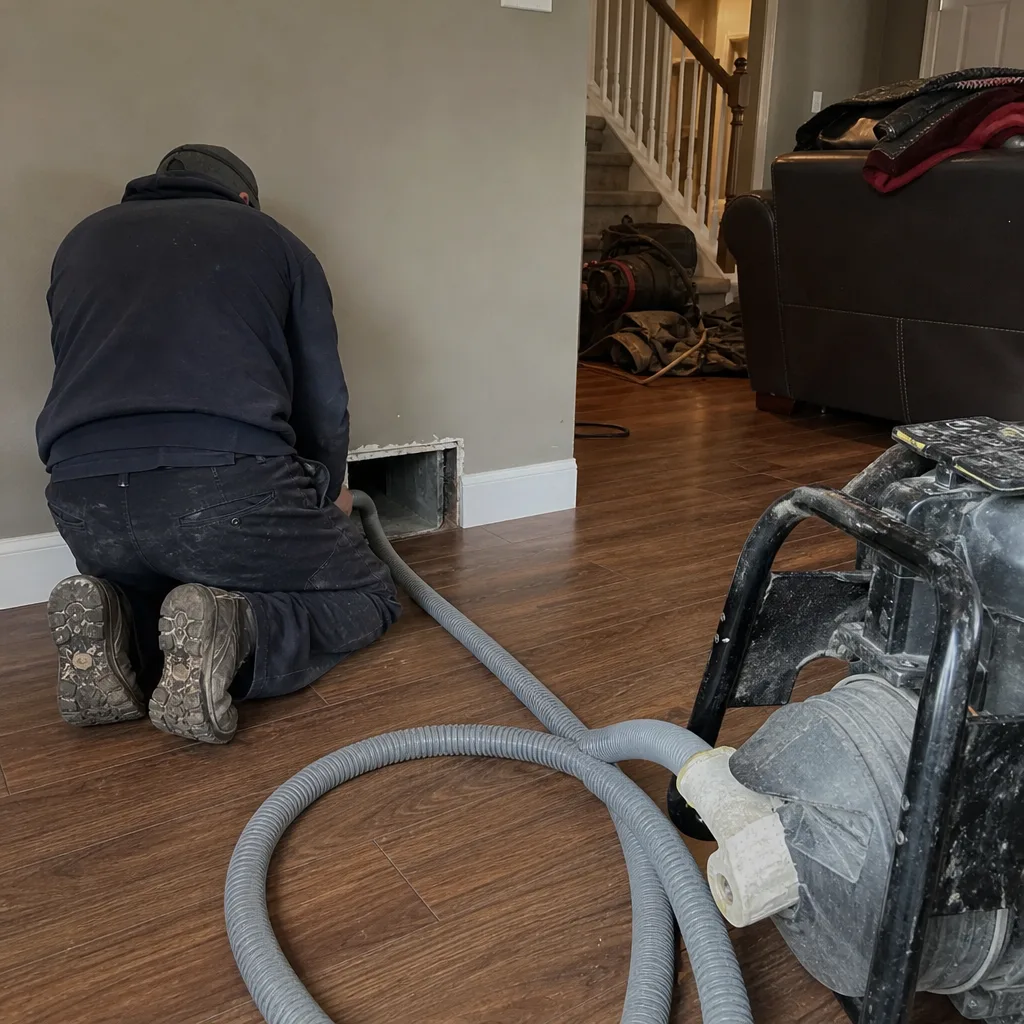 Before
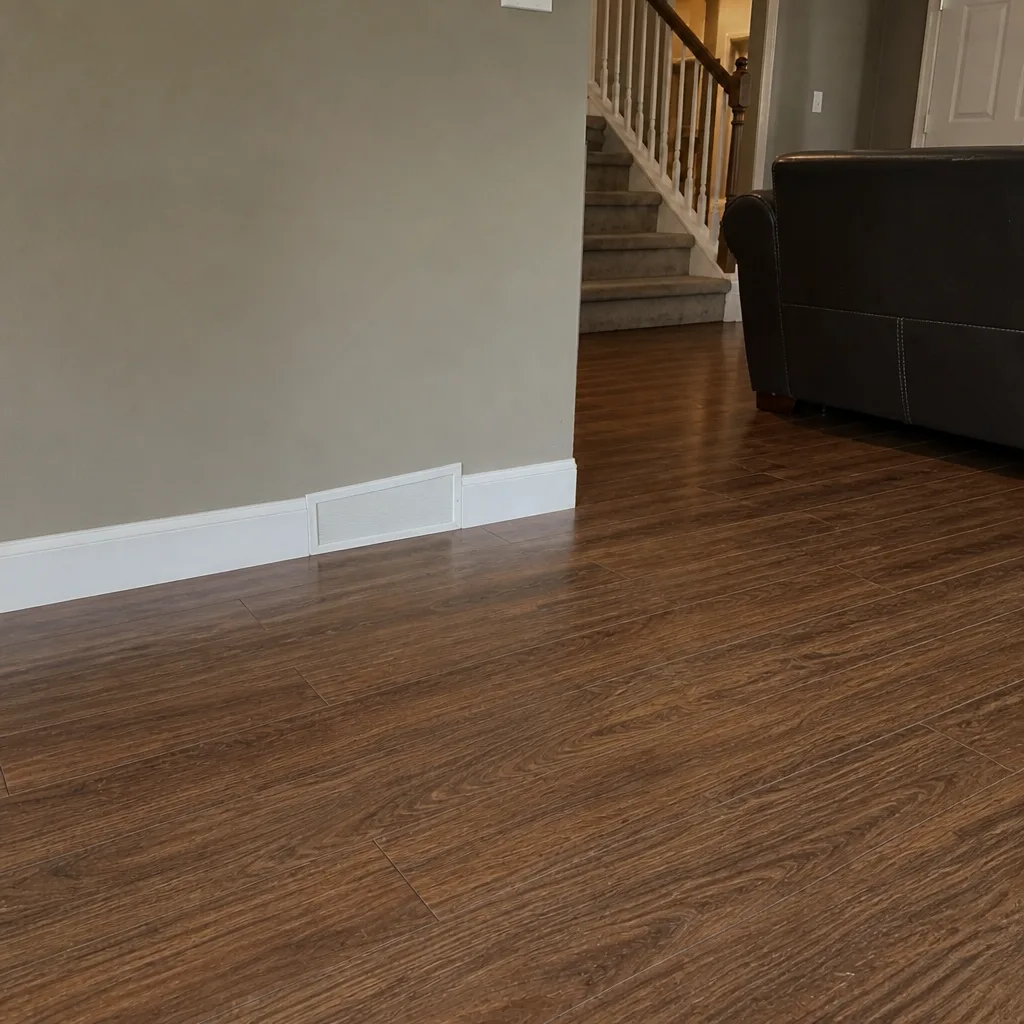 After
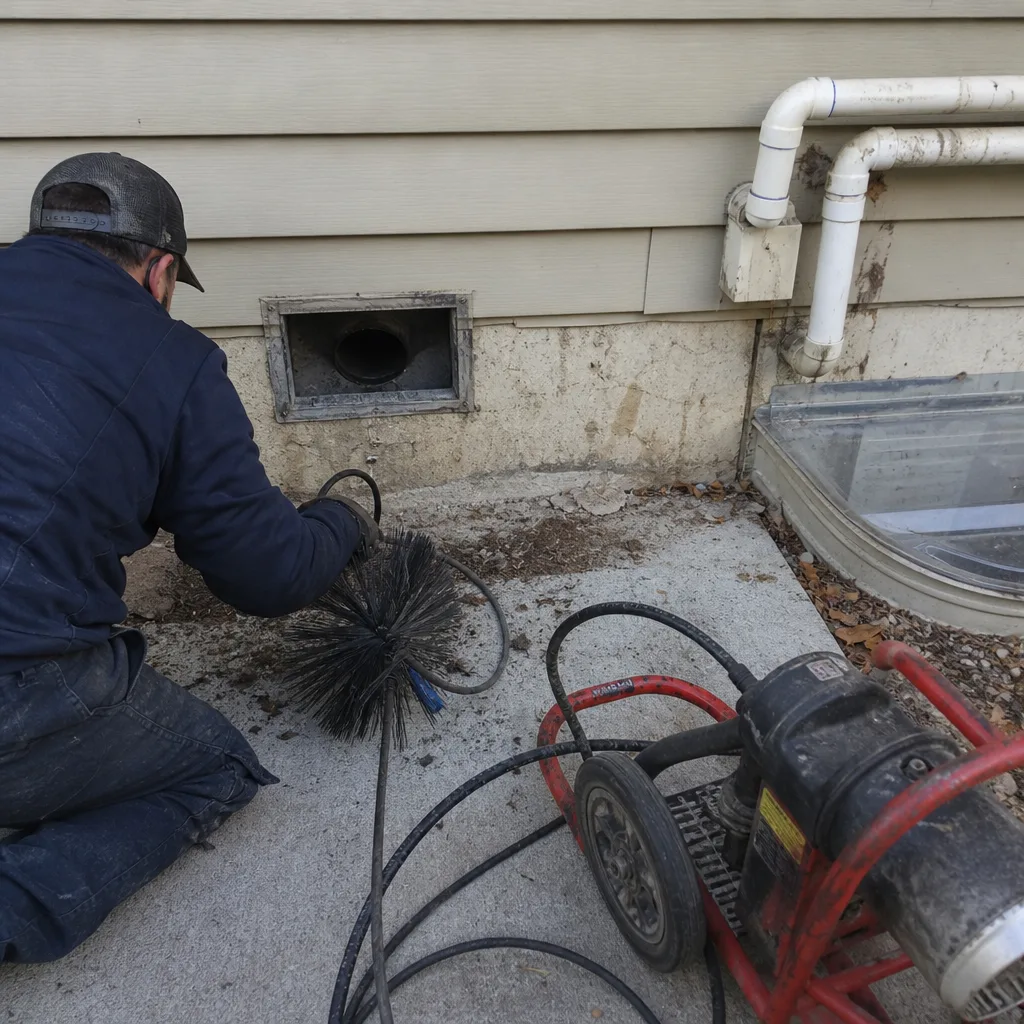 Before
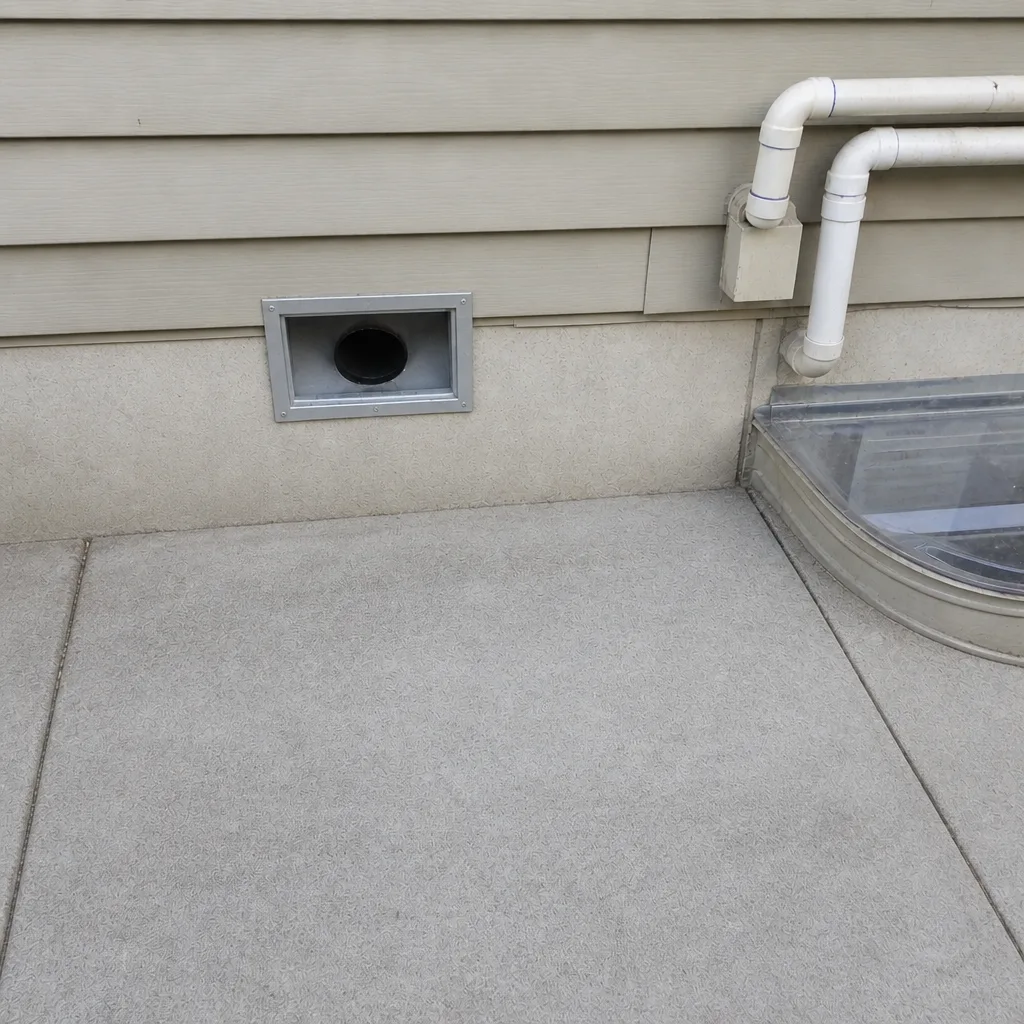 After
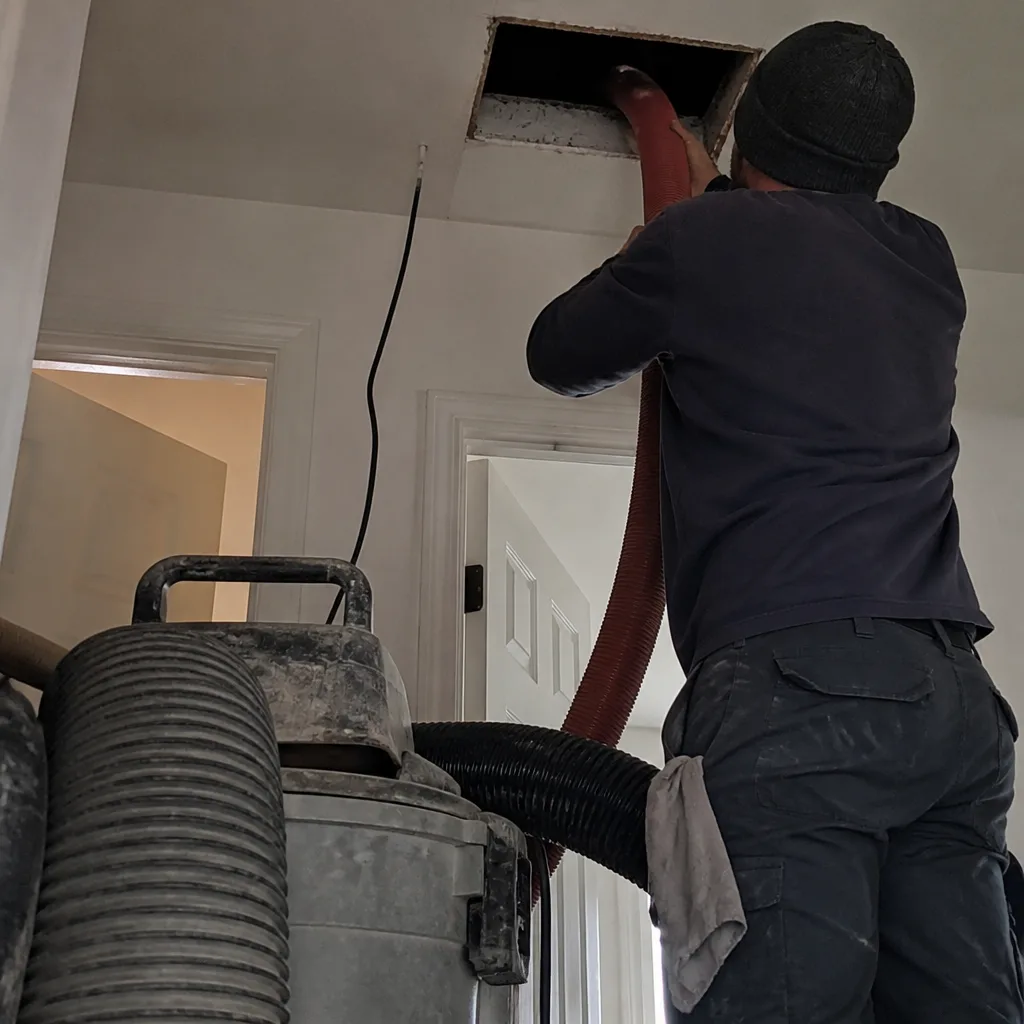 Before
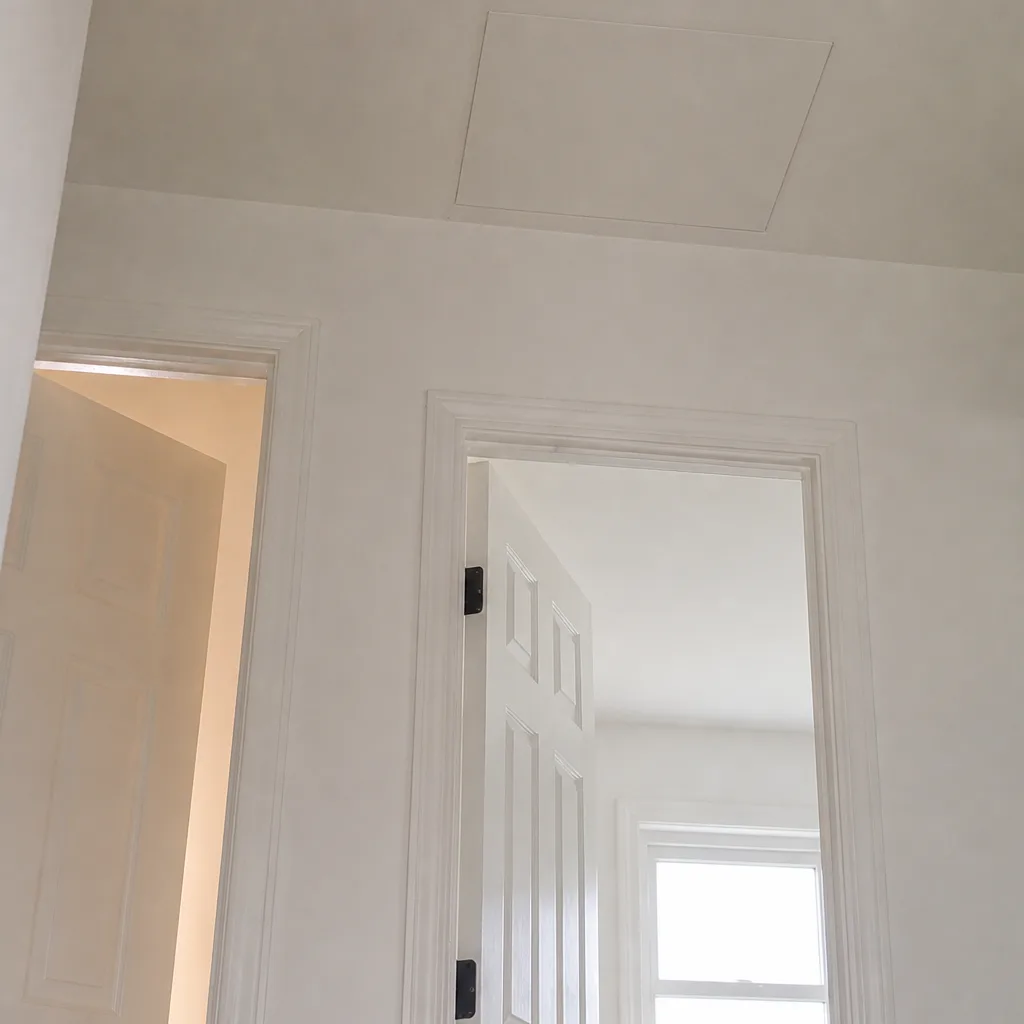 After
Common Mistakes to Avoid
- Running the HVAC at full speed during active smoke. Drawing in outside air during the worst of a smoke event pushes particulates into the system faster than the filter can trap them. Close the outdoor intake and run on low fan.
- Assuming ducts survived an earthquake because the house looks fine. Duct connector failures are behind drywall and in attics, so a visual walkthrough from the living room proves nothing. A camera inspection is the only way to confirm the joints are intact.
- Cleaning ducts before structural work is finished. New drywall dust lands inside freshly cleaned ducts. Sequence the cleaning last, after trades come through.
- Missing the crawl space after a flood. Herriman’s clay soil holds moisture for days, and the ducts below the living space get the first and worst of it. Damp ducts are an air quality problem within 48 hours.
- Skipping sanitizing after smoke or water. A cleaned-but-untreated duct system can leave odor and growth behind. Sanitizing is a separate step with its own products.
- Having no pre-loss inspection record. Insurers need a baseline. Without one, your claim for duct contamination has to be reconstructed from memory and photos taken after the fact.
- Hiring a single-task cleaner for a multi-system problem. After an emergency, you often need cleaning, repair, sealing, and sanitizing. A generalist with a vacuum will only do part of the job.
When to Call a Professional
Call a professional duct specialist when any of these apply: you’ve had a wildfire smoke event that lasted more than 72 hours and smell returns when the blower runs; your crawl space was wet for more than two days after a flood; you felt significant ground movement and notice a draft, whistling, or dust near a register; or you’re working through an insurance claim and need before-and-after documentation. In these situations, a router and a shop vac won’t reach the contamination or find a separated joint behind drywall.
Our technicians have up to 10 years of experience working on residential duct systems, and we use professional-grade Rotobrush and Nikro equipment on every job. We repair what we find, so a torn connector or disconnected run gets fixed during the same visit as the cleaning. Herriman Air Duct Cleaning offers free estimates in Herriman. Call (844) 625-7619. We answer 24/7. Fast dispatch from 7am to 7pm, Sunday through Friday.
Frequently Asked Questions
Keep it running on low fan with outdoor intake closed and a clean filter in place during a smoke event, and shut it off only if smoke is coming strongly through the vents or your filter is loaded. Recirculating filtered interior air is safer than leaving the system off, as long as your filter is fresh and correctly sized. Call (844) 625-7619 for guidance on your specific system.
You can’t tell from a walkthrough; you need a camera inspection of the flex-to-hard-pipe joints, the furnace plenum, and the register boots. Those are the connection points most likely to separate after ground movement. Call (844) 625-7619 to schedule an inspection and get before-and-after photos of what we find.
Dampness in flexible duct runs that lasts 48 to 72 hours typically means biological growth has started, so cleaning and sanitizing should follow the drying process. Anything that stayed wet longer needs a section replacement, not just cleaning. Call (844) 625-7619 for a free estimate.
Most insurers process duct contamination claims faster when there’s a dated pre-loss inspection on file. A camera record of the system’s condition before an event is the strongest documentation you can have. Call (844) 625-7619 to schedule one and store the report with your policy documents.
Consumer vacuums can’t reach the internal surface or remove established contamination, and they can’t tell you whether a joint has separated behind a wall. For smoke residue, biological growth, or structural damage, professional equipment and camera verification are required. Call (844) 625-7619 to talk through your situation.
Stop the source, dry the structure, complete structural repairs, clean the HVAC unit, then clean and sanitize the ducts, and finally verify with a camera. Cleaning before the trades finish re-contaminates the ducts, and cleaning before drying means growth returns. Call (844) 625-7619 and we’ll help you sequence it correctly.
The Bottom Line
Emergency preparedness for Herriman duct systems comes down to four moves: manage the HVAC during smoke events, watch your crawl space after heavy storms, inspect duct connections after ground movement, and keep a dated camera record on file. When contamination or damage is real, professional cleaning and repair with the right equipment is the only fix that holds. We use dryer vent cleaning standards on every vent we handle and the same professional-grade tools on ducts, so one visit covers the whole air system. Get a free estimate and a documented inspection before the next event, not after. Call (844) 625-7619. We answer 24/7. Fast dispatch from 7am to 7pm, Sunday through Friday. To start with a full system assessment, visit Herriman Air Duct Cleaning and book a camera inspection today.
Written by the team at Herriman Air Duct Cleaning.